Herdr Alternatives: What to Pick and Who Each One Fits
Herdr alternatives checked on 14 Sep 2026: tmux, Munder Difflin, Claude Squad, cmux, Orca, Conductor, Superset and Emdash, and who each fits.
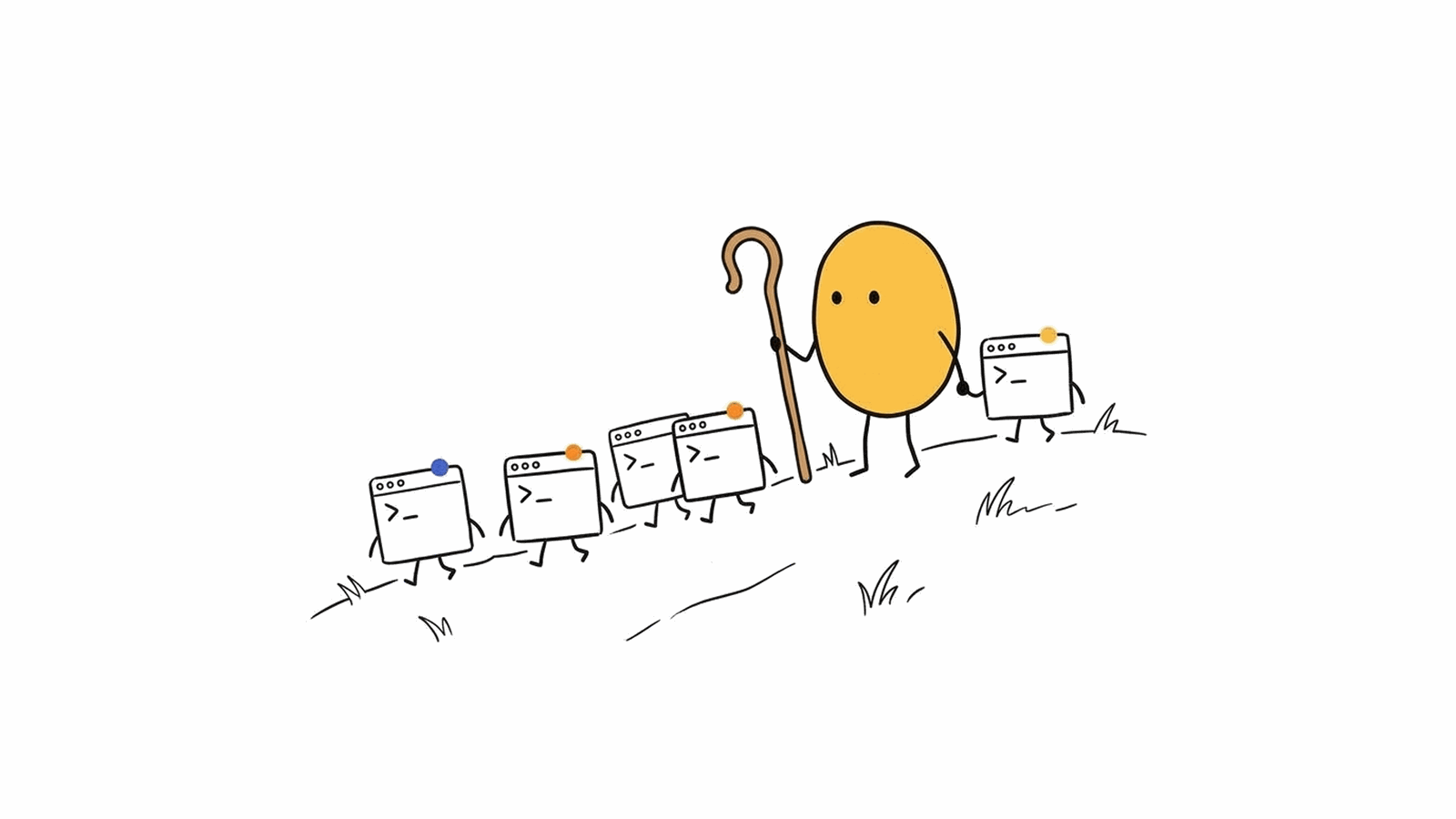
The main herdr alternatives are plain tmux or Zellij, Munder Difflin, Claude Squad, cmux, Orca, Conductor, Superset and Emdash. Stay on herdr if you live in a terminal or work over SSH. Switch when you want a desktop window, agents that share memory, or something that hands out the work so you don’t have to.
Herdr is good at its job, so this post sorts the options by why you are leaving. For the wider field, see our roundup of multi-agent tools built around Claude Code.
What is herdr, exactly?
Herdr is an open source terminal multiplexer, written in Rust, that runs coding agents such as Claude Code, Codex and OpenCode in panes and labels each pane with the agent’s state. It is one binary that runs inside the terminal you already use. A background server owns the terminals, so closing the client or dropping an SSH connection does not stop the work: ctrl+b q detaches and herdr reattaches, per the herdr README.
Search results mix in forks such as codeaudit/herdr; the upstream project is herdrdev/herdr. We pulled its latest release on 14 Sep 2026:
$ gh api repos/herdrdev/herdr/releases/latest --jq '.tag_name, .published_at, (.assets[].name)'
v0.9.0
2026-09-07T19:21:31Z
herdr-linux-aarch64
herdr-linux-x86_64
herdr-macos-aarch64
herdr-macos-x86_64
herdr-windows-x86_64.zip
The repo also corrects two things older reviews still say. Windows is a normal build now: the changelog marked Windows support generally available in 0.8.2 on 19 Aug 2026. And the history of the LICENSE file (gh api 'repos/herdrdev/herdr/commits?path=LICENSE') shows a relicense to Apache 2.0 on 22 Jul 2026, replacing the AGPL 3.0 license it launched with.
Why look for a herdr alternative?
You might leave herdr for one of four reasons: you want a desktop window, memory shared between agents, a built-in orchestrator, or simply less software. None of the 21 English doc pages for herdr 0.9.0 covers shared memory, a task board or scheduling (checked 14 Sep 2026). Coordination comes as primitives: a script or an agent can run herdr agent prompt reviewer "Review the current diff" --wait and then herdr agent wait reviewer --until blocked. That is flexible if you enjoy writing the glue, and a weekend you won’t get back if you don’t.
The real split is terminal tools versus task tools. In herdr, tmux or Claude Squad the unit is a terminal, and you read every one and decide what happens next. In a desktop app with an orchestrator the unit is a task: something assigns it, tracks it and asks you when it is stuck. Herdr’s own compare page argues the other side, and fairly: “quit their app and the agents stop; detach every Herdr client and they don’t.”
Is plain tmux enough instead of herdr?
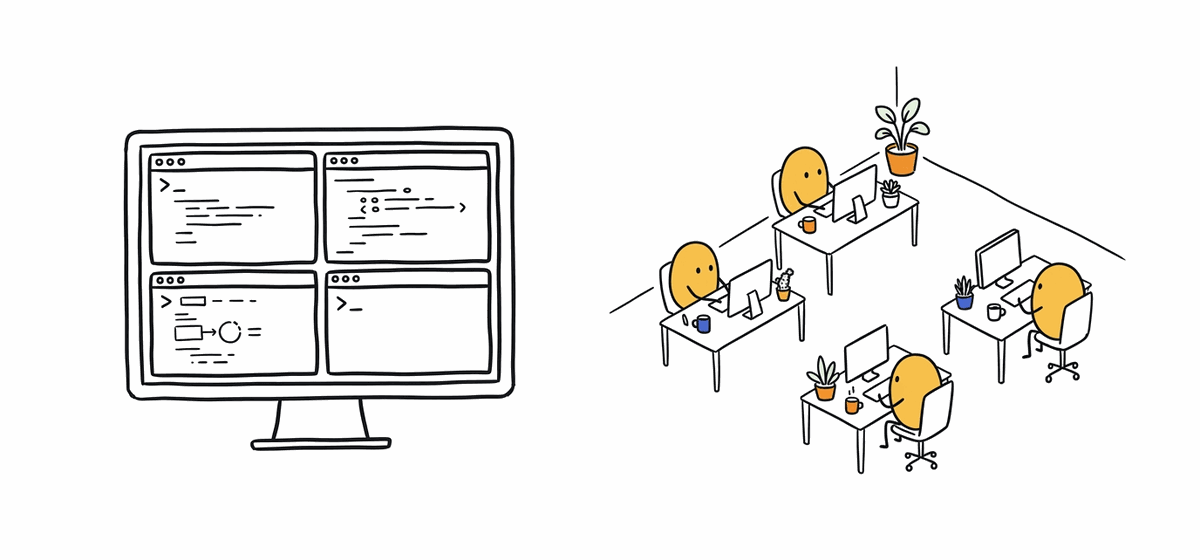
Plain tmux is enough if you run two or three agents and check on them often. It keeps sessions alive over SSH, it is one package install away on any Linux or macOS machine, and it adds nothing between you and your shells. Zellij sits in the same category. Neither knows what runs inside a pane, so a Claude Code session that is thinking looks the same as one parked on a permission prompt. Where a hand built tmux setup starts to creak is covered in running agents in tmux vs an agent harness.
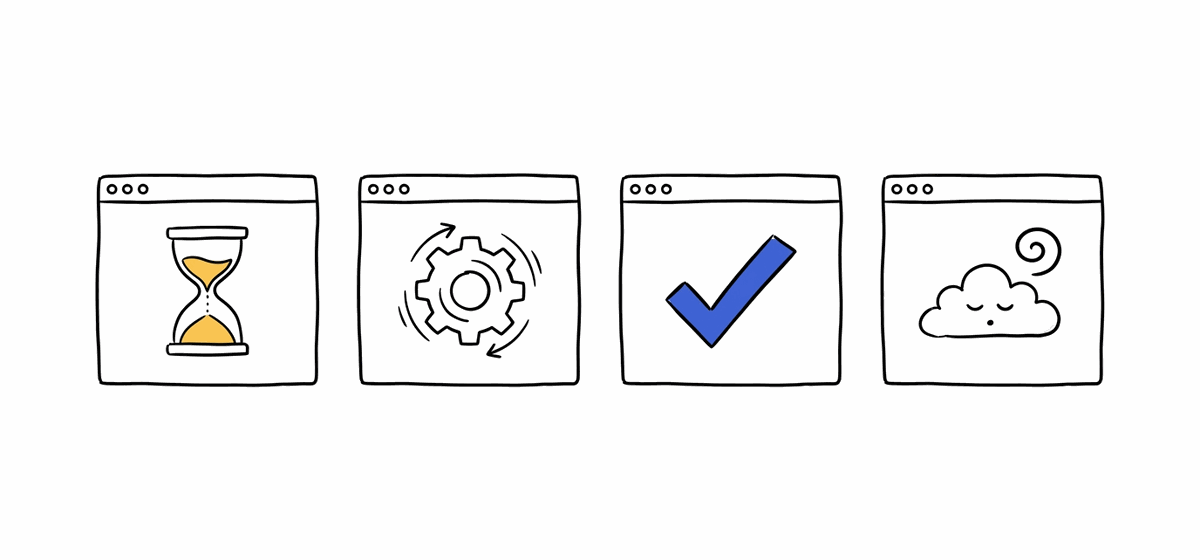
What herdr adds is knowing which agent needs you right now. Herdr’s concepts docs define the states: blocked means the agent needs input, approval or a decision; working means it is running; done means it finished and you have not looked yet; idle means finished and seen; unknown means herdr cannot tell. For agents it reads from the screen, the supported agents page calls blocked detection deliberately strict: when no rule matches a prompt, herdr falls back to idle rather than guessing. Any replacement should answer that as fast, or you are back to cycling panes.
Which herdr alternatives are worth trying?
Seven are active, each checked on its own repo or site on 14 Sep 2026. Pick by your reason for leaving.
- Claude Squad, for something smaller on top of the tmux you already have. Claude Squad is a terminal UI for Claude Code, Codex, OpenCode and Amp that gives each agent its own tmux session and git worktree. It needs tmux and the GitHub CLI, is AGPL 3.0 licensed, and shipped v1.0.20 on 20 Aug 2026.
- Munder Difflin, for agents that work as a team. This one is ours: a free and open source desktop app for macOS, Windows and Linux where each agent is a real CLI in a real terminal, from any of twelve CLIs. Michael, your clone, hands out the work, the agents share a long-term memory, and anything waiting on you lands on the ASK ME board. The trade: quitting the app stops every agent terminal, so there is no detach and walk away.
- cmux, for a native Mac window. cmux is a Ghostty based macOS terminal with vertical tabs and notification rings for coding agents. It is Mac only, so no help on a headless Linux box.
- Orca, for a full GUI on any desktop. Orca is an MIT licensed app for macOS, Windows and Linux that runs each agent in its own worktree, with a built-in browser and SSH remote worktrees. It shipped v1.4.201 on 13 Sep 2026, and our Orca vs Munder Difflin post goes further.
- Conductor, if agents in the cloud suit you. Conductor is a Mac app that runs Claude Code, Codex, Cursor and OpenCode agents, and its homepage now leads with Conductor Cloud, where each agent gets an isolated microVM. It was on 0.85.0 as of 9 Sep 2026.
- Superset, for an IDE built around parallel agents. Superset brings Claude Code, Codex, OpenCode or any other coding agent into one workspace, isolates each task’s changes and lets you review them in one place. Its license is source available (ELv2), not open source.
- Emdash, for the same idea under Apache 2.0. Emdash is an open source agentic development environment from a YC W26 company that runs several coding agents in parallel with any provider.
Three names from older lists need a note. On 10 Apr 2026 Vibe Kanban announced it is sunsetting; the code lives on as a community maintained project. Crystal’s repo now says it is Nimbalyst. YC’s qm is a multiplayer harness a company deploys for Slack and the web, a different job from a multiplexer.
When should you stay on herdr?
Stay on herdr if you live in the terminal, work on remote machines over SSH, or want agents running after you close the client. Its 0.9.0 release manages local and saved SSH machines from one window, and its docs show it running from an ordinary SSH client on a phone with no mobile app. If what you really want is a crew that plans, remembers and asks before it guesses, a task tool saves you writing that layer yourself.
FAQ
Is herdr open source?
Yes. Herdr is licensed under Apache 2.0, per its GitHub repository checked on 14 Sep 2026. It launched under AGPL 3.0 in March 2026, added a commercial license option on 26 May 2026, and was relicensed to Apache 2.0 on 22 Jul 2026, so reviews that still call it AGPL are out of date.
Does herdr work on Windows?
Yes. Herdr's changelog marks Windows support as generally available in 0.8.2 on 19 Aug 2026, and the 0.9.0 release on 7 Sep 2026 ships a Windows x86_64 build next to the Linux and macOS builds. Early August posts that call Windows a beta predate that change.
Does herdr replace tmux?
For agent work, it can. Herdr keeps panes alive in a background server the way tmux does, uses tmux style prefix keys, and adds agent states on top. Without coding agents, plain tmux does the job and has years more use behind it.
What is the difference between herdr and Claude Squad?
Herdr owns the terminals and tracks each agent's state, while Claude Squad is a terminal UI that sits on top of tmux and gives every task its own git worktree and branch. Claude Squad needs tmux and the GitHub CLI installed, per its README checked on 14 Sep 2026.
Can herdr agents share memory or a task board?
Not out of the box. Herdr's English docs, checked on 14 Sep 2026, have no page about shared memory, a task board or scheduling, and coordination happens through its CLI and socket API instead. If you want those parts built in, an orchestrated desktop app is the closer fit.