How to Install and Use Munder Difflin
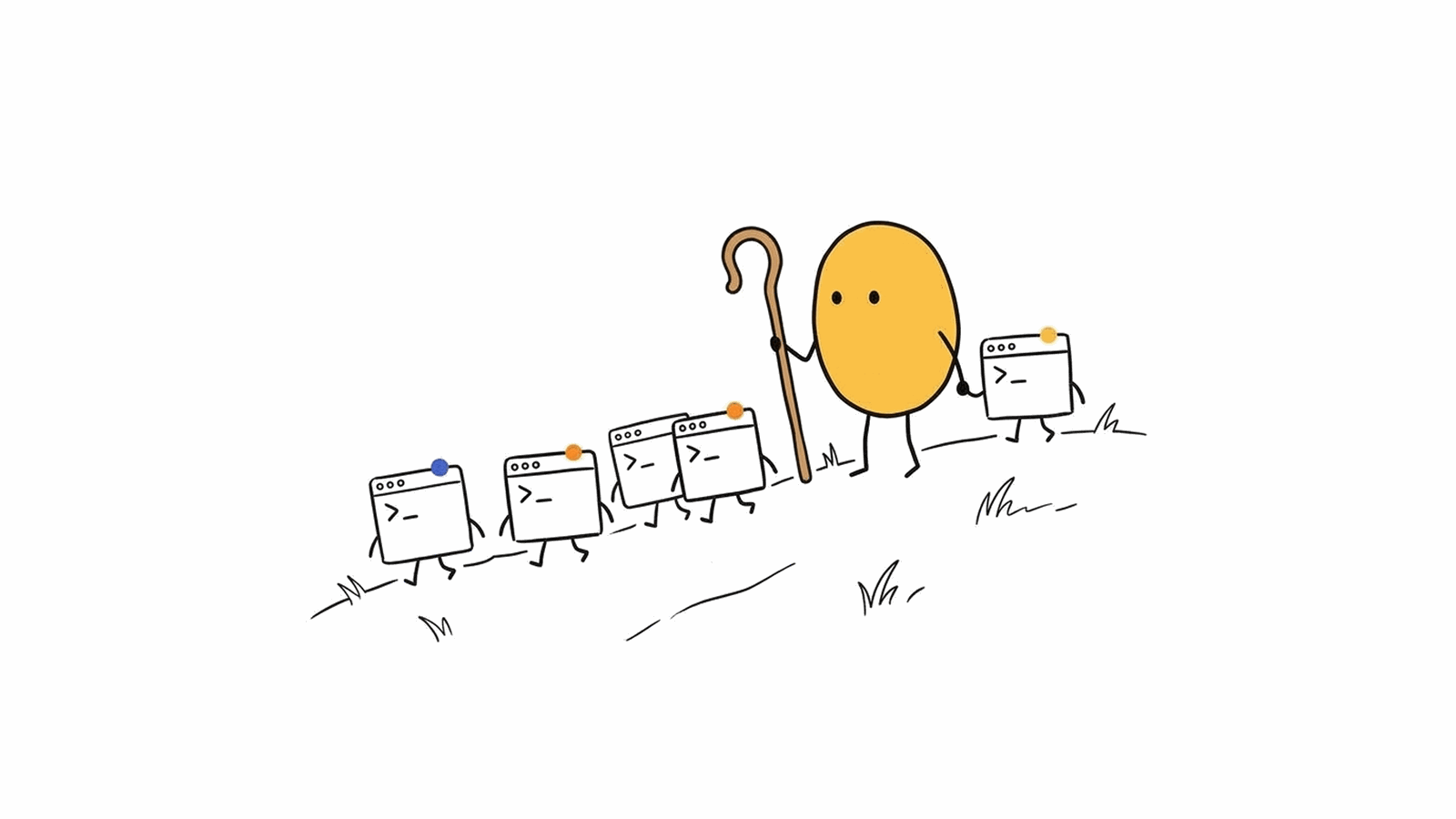
Install Munder Difflin on macOS, Windows, or Linux and put a hive of Claude Code agents to work on ambitious, long-horizon tasks — start to finish.
Tag
25 posts tagged Claude Code.
Install Munder Difflin on macOS, Windows, or Linux and put a hive of Claude Code agents to work on ambitious, long-horizon tasks — start to finish.
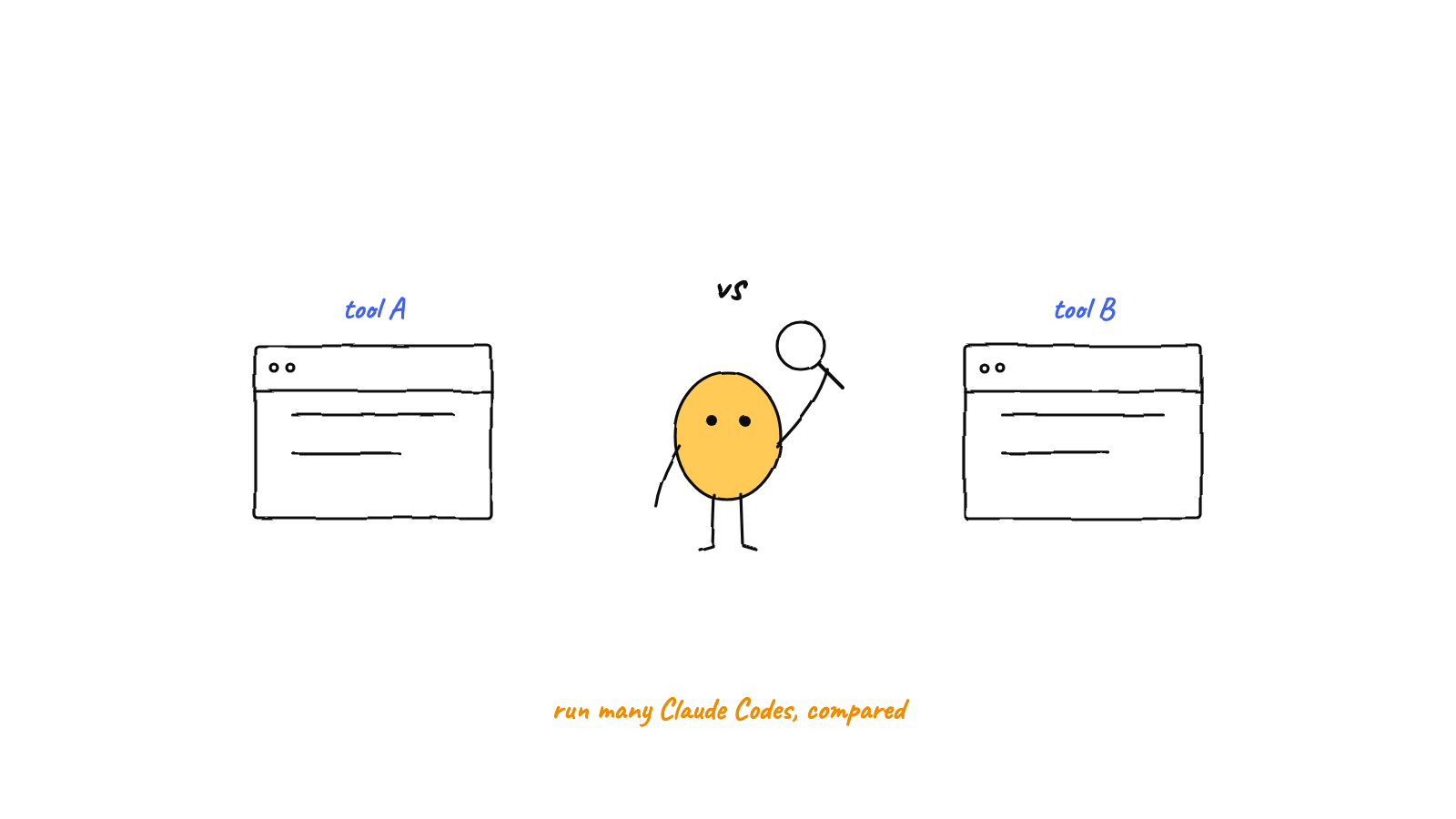
An honest 2026 roundup of tools to run multiple Claude Code agents — Claude Squad, Conductor, Crystal, vibe-kanban, and Munder Difflin — compared.
Claude Code automation that runs overnight: an autonomous Stop-hook loop, safe permission bypass, and guardrails so you wake up to progress, not chaos.
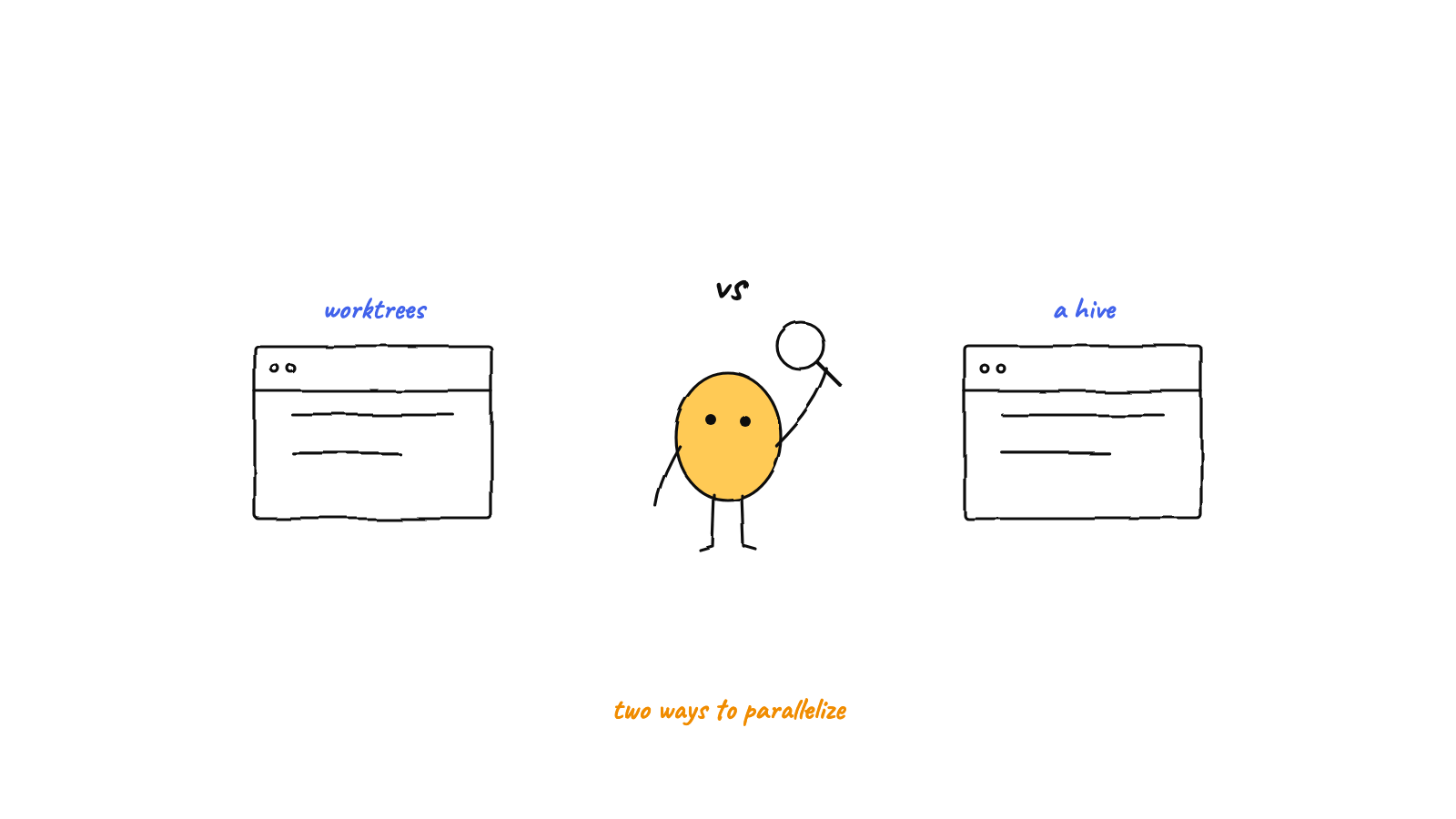
Claude Code git worktrees vs a hive: when isolated worktrees suffice for parallel agents, and when you need memory, messaging, and an orchestrator on top.
Claude Code orchestration tools compared on memory, messaging, visibility, control, and local-first — across Claude Squad, Conductor, Crystal, and more.
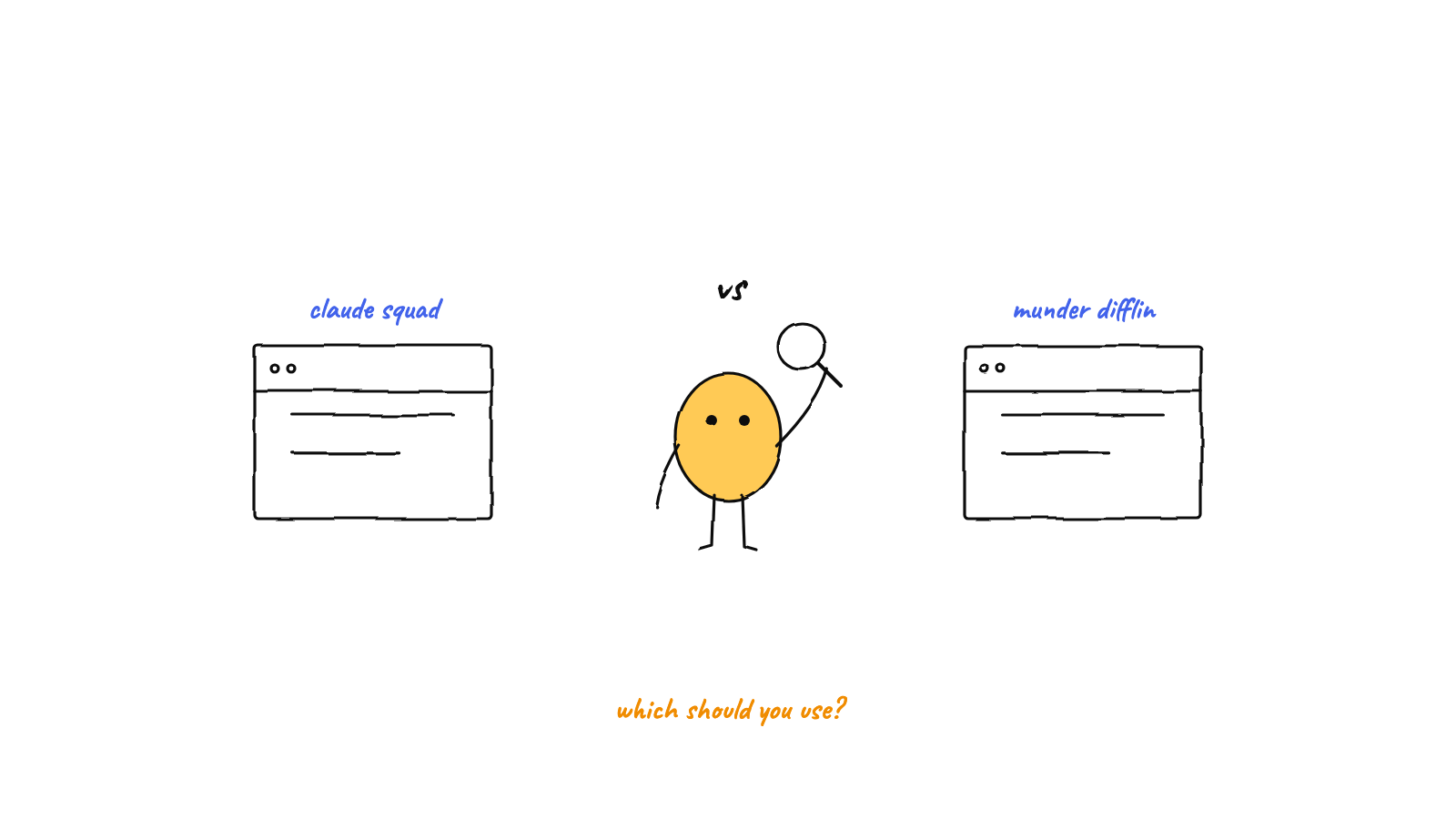
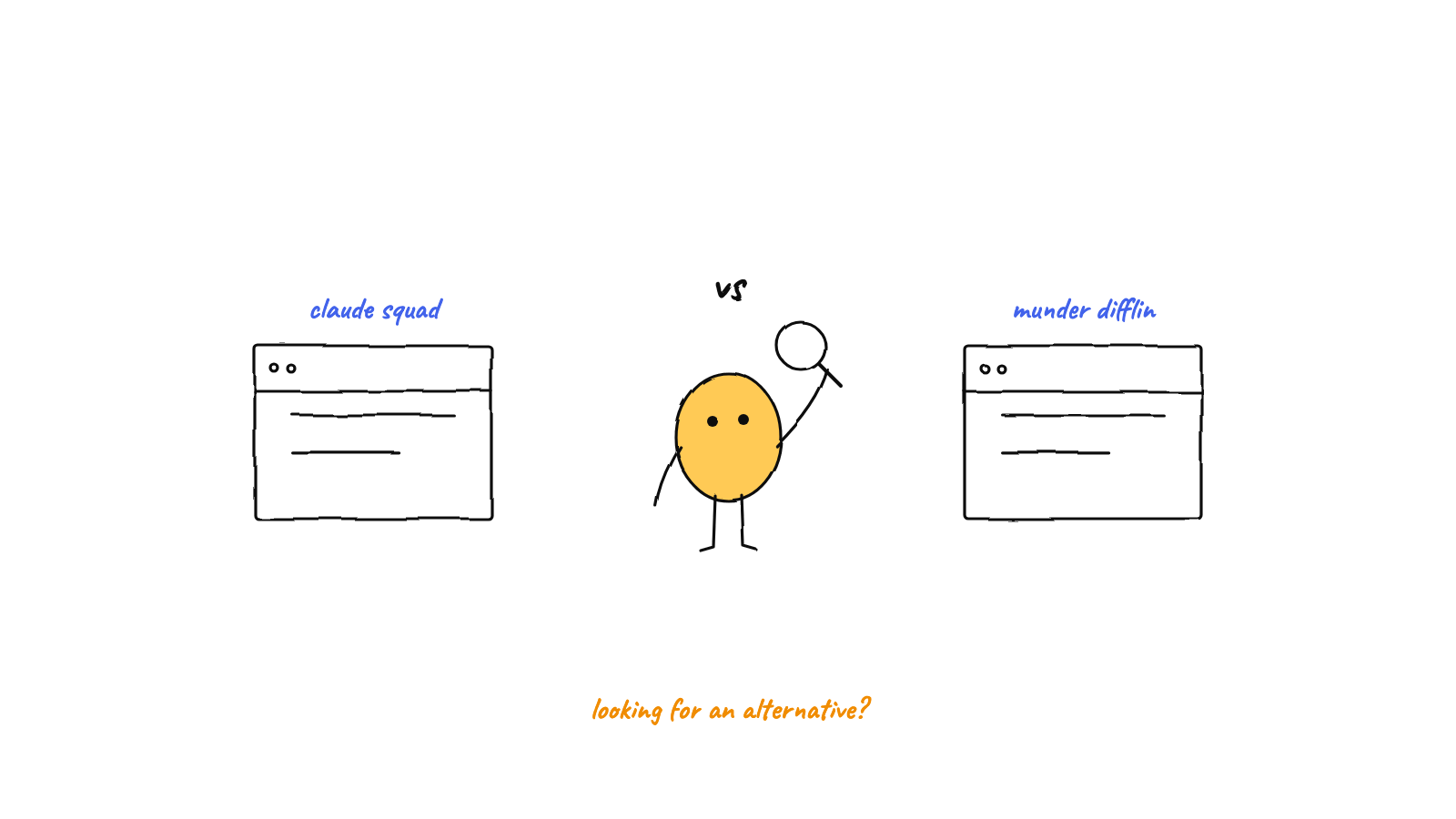
Claude Squad vs Munder Difflin: a lean terminal session manager against a memory-backed, orchestrated, visual hive. Feature table and an honest verdict.
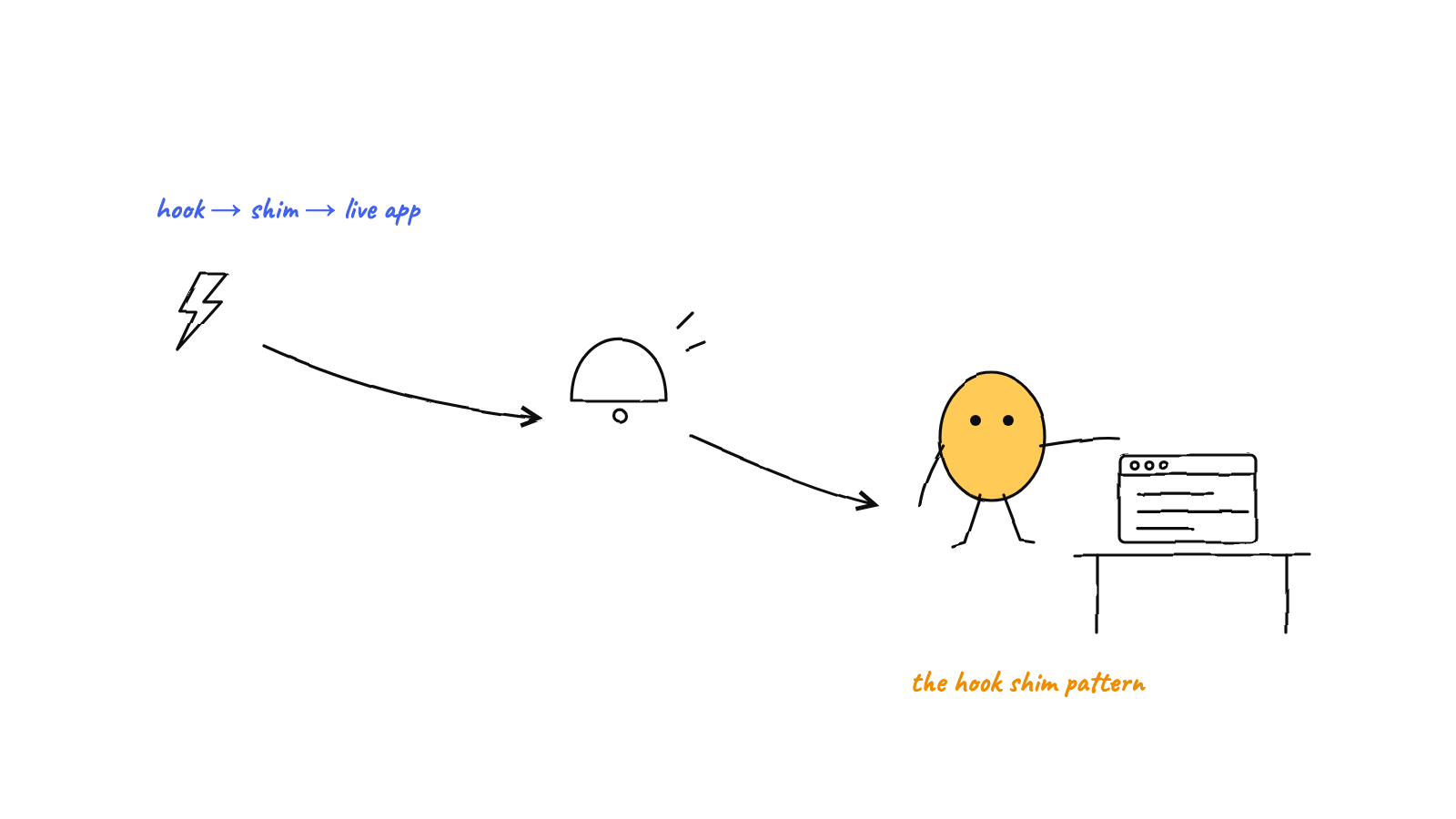
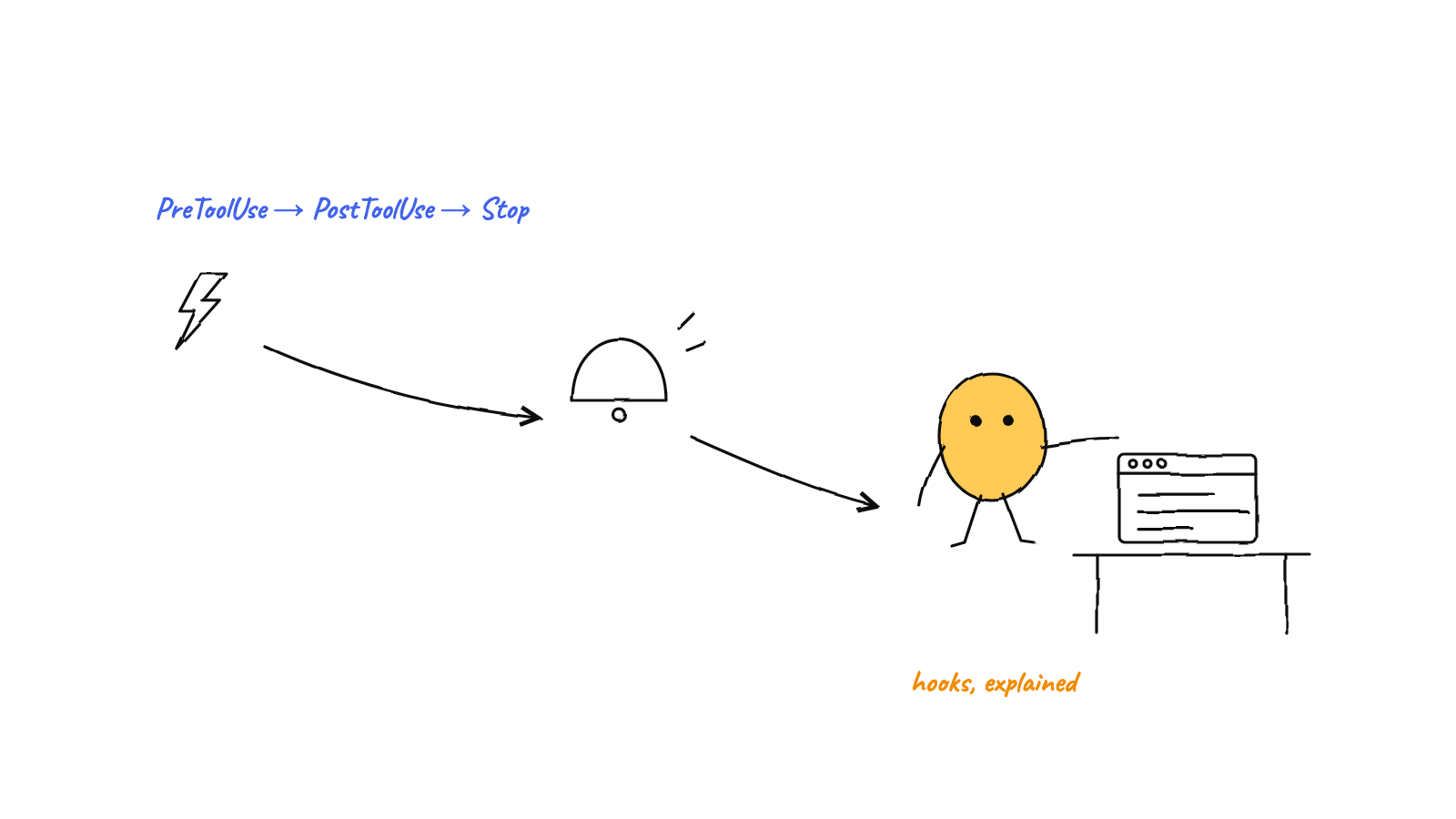
A practical tour of Claude Code hooks — the PreToolUse, PostToolUse, and Stop lifecycle — and how a Unix-socket hook shim drives a live office floor.
What Claude Squad does well, where it stops, and why a memory-backed, orchestrated hive may be the Claude Squad alternative you're after.
Conductor is a polished macOS app for parallel Claude Code worktrees. When to pick a cross-platform, orchestrated hive as your Conductor alternative.
Crystal runs parallel Claude Code worktrees well. Where a memory-backed, orchestrated hive changes the workflow — and when to stick with Crystal.
How agents in a hive inherit your existing Claude Code MCP servers, skills, and tools — and how to scope which agent gets which capability.
The workflow shift from a single Claude Code session to a coordinated team of agents — what changes, where it breaks, and the concrete before-and-after.
Answers to the top Munder Difflin questions — what it is, is it free, does it run locally, which platforms, and how it differs from many terminals.
Claude Code agents explained in plain English — what an agent actually is, how subagents differ, and the leap from one agent to a coordinated team.
The origin story of Munder Difflin — how the pain of juggling Claude Code terminals led to a coordinated, memory-backed hive of agents you can watch.
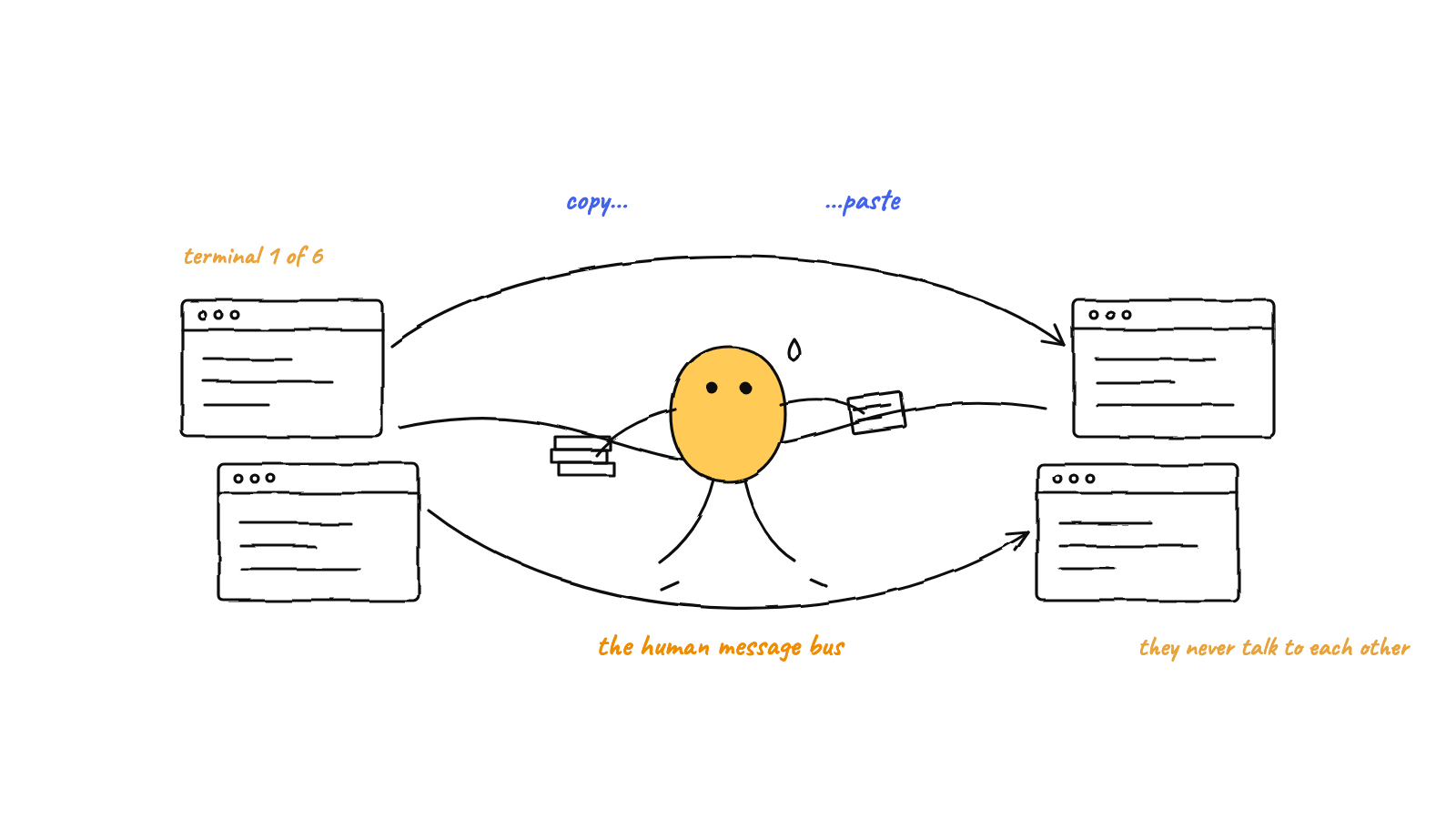
Run several Claude Code agents in parallel without the chaos: give each a role, let them coordinate, and stop alt-tabbing between terminal windows.
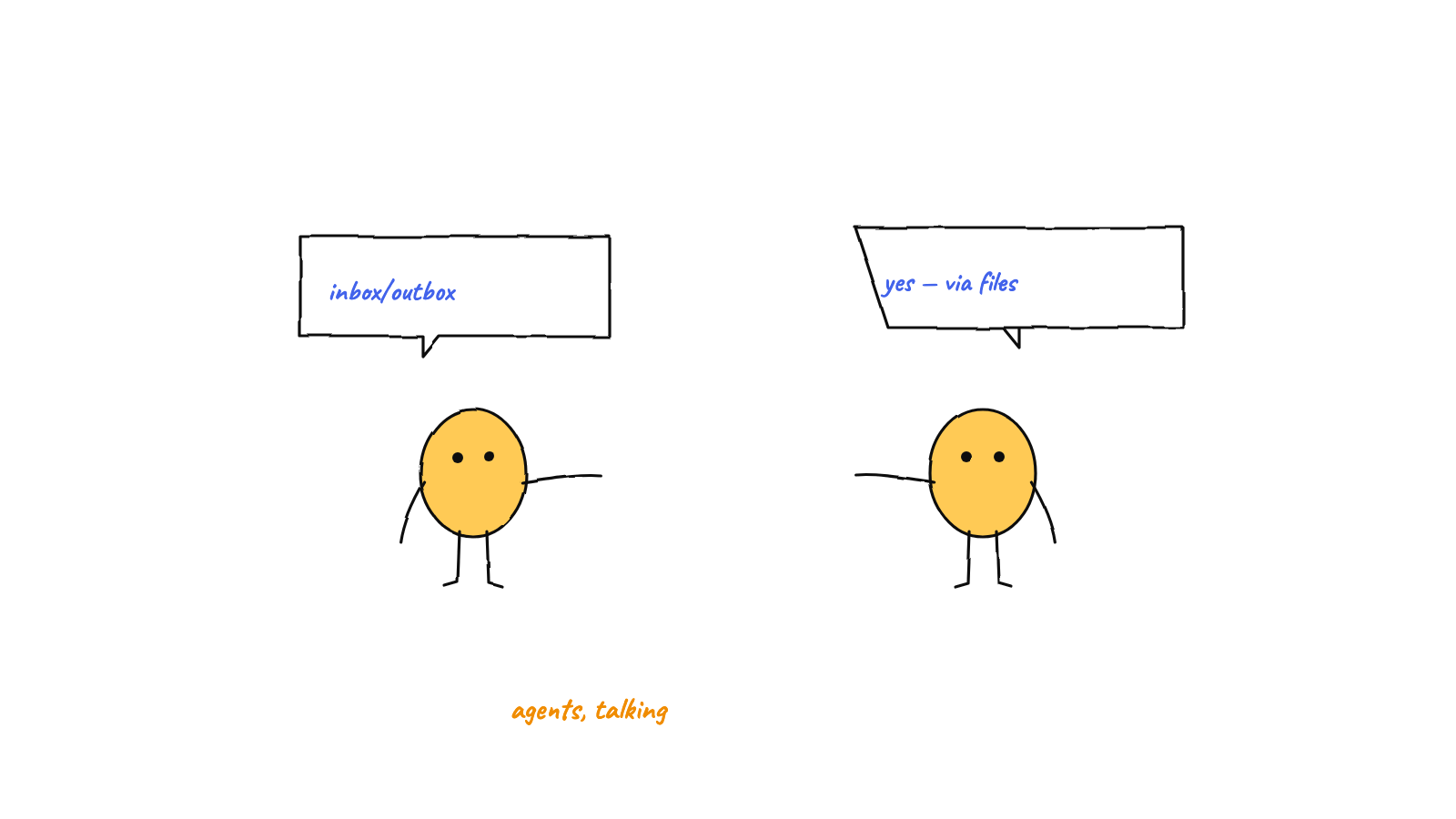
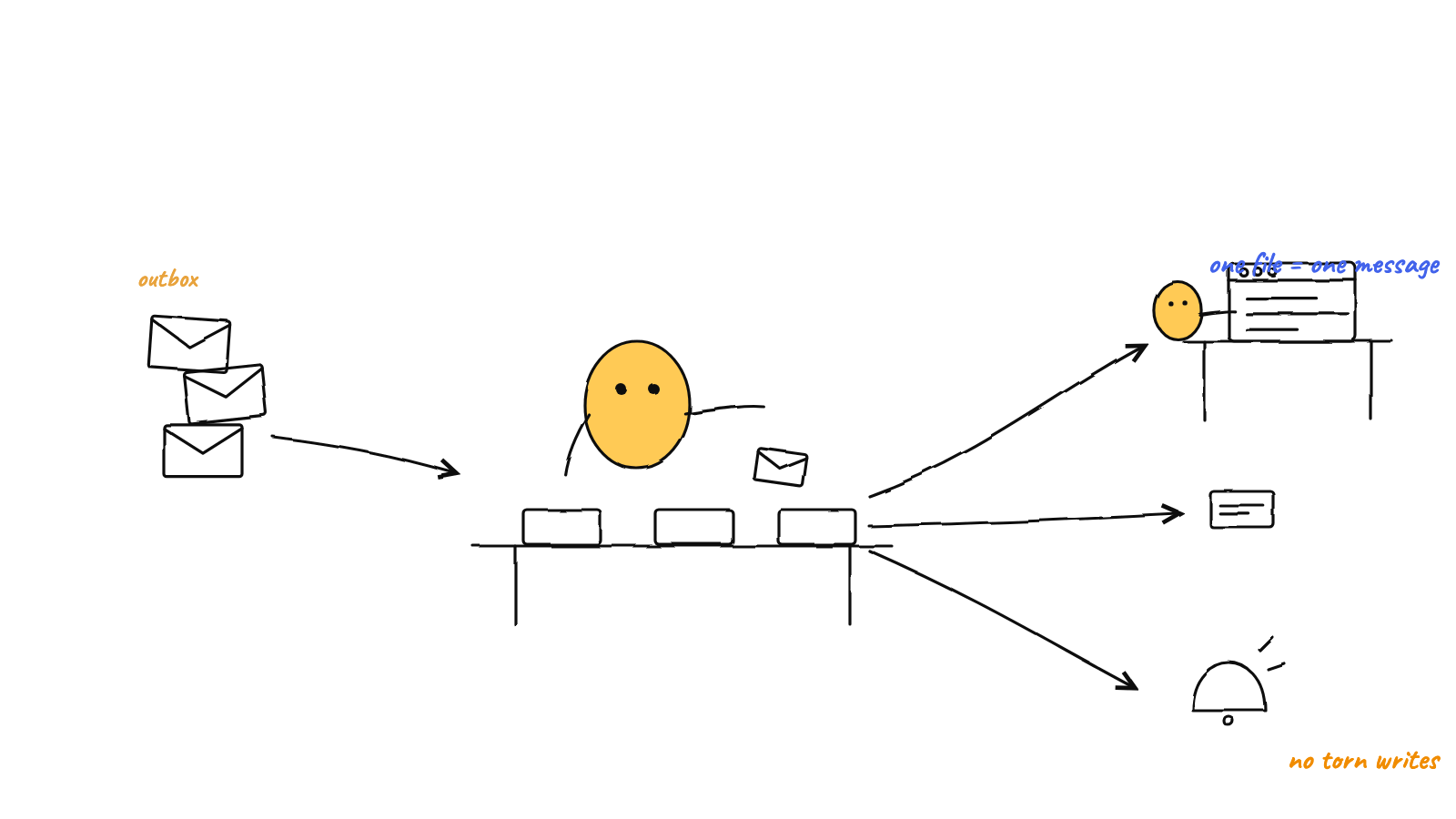
Can Claude Code agents talk to each other? Yes — the outbox-router-inbox design that lets agents message safely using plain files and atomic renames.
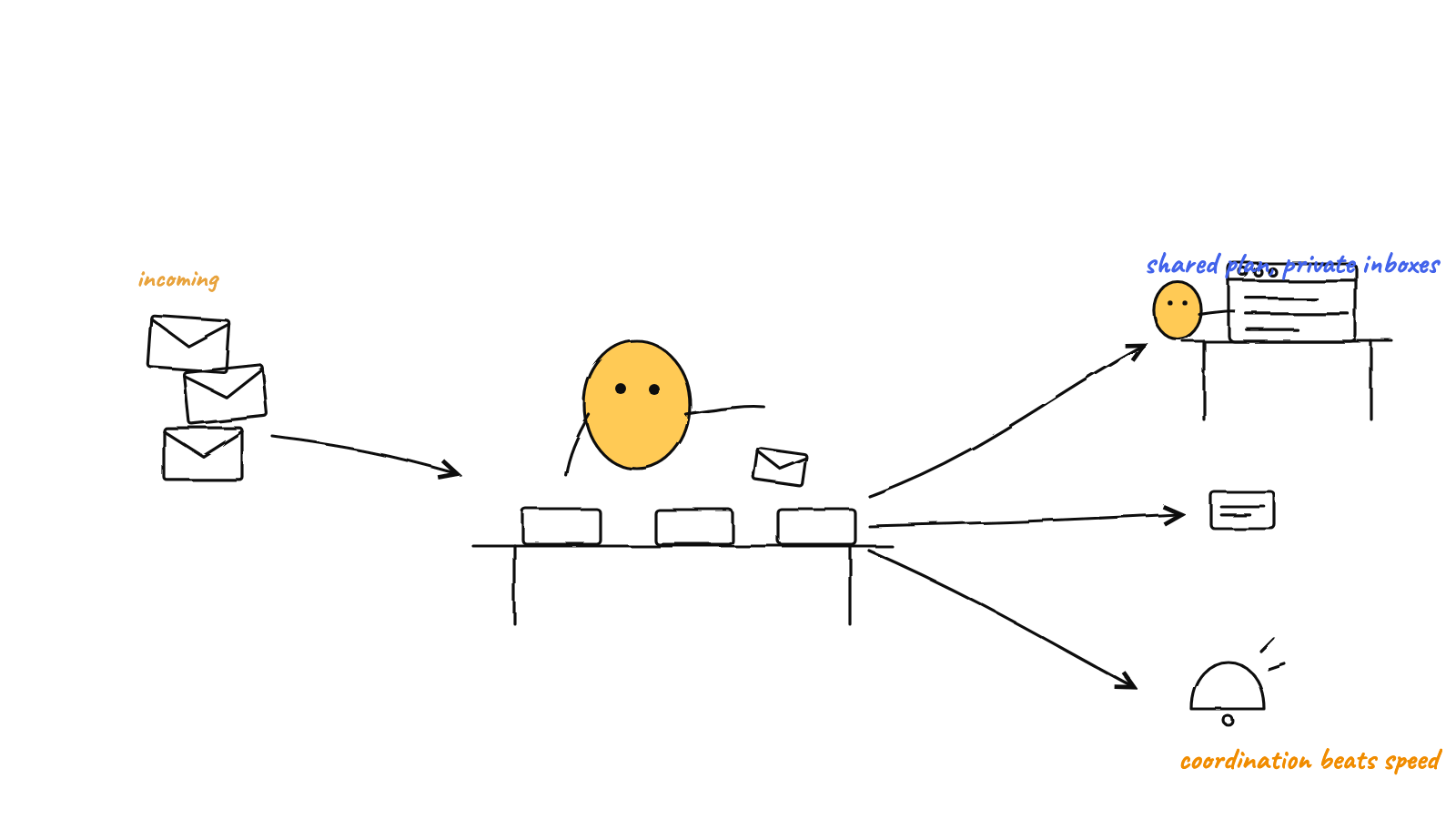
The best way to coordinate AI coding agents: single-writer files, a message router, a one-scribe plan, and an orchestrator — cooperate, not clobber.
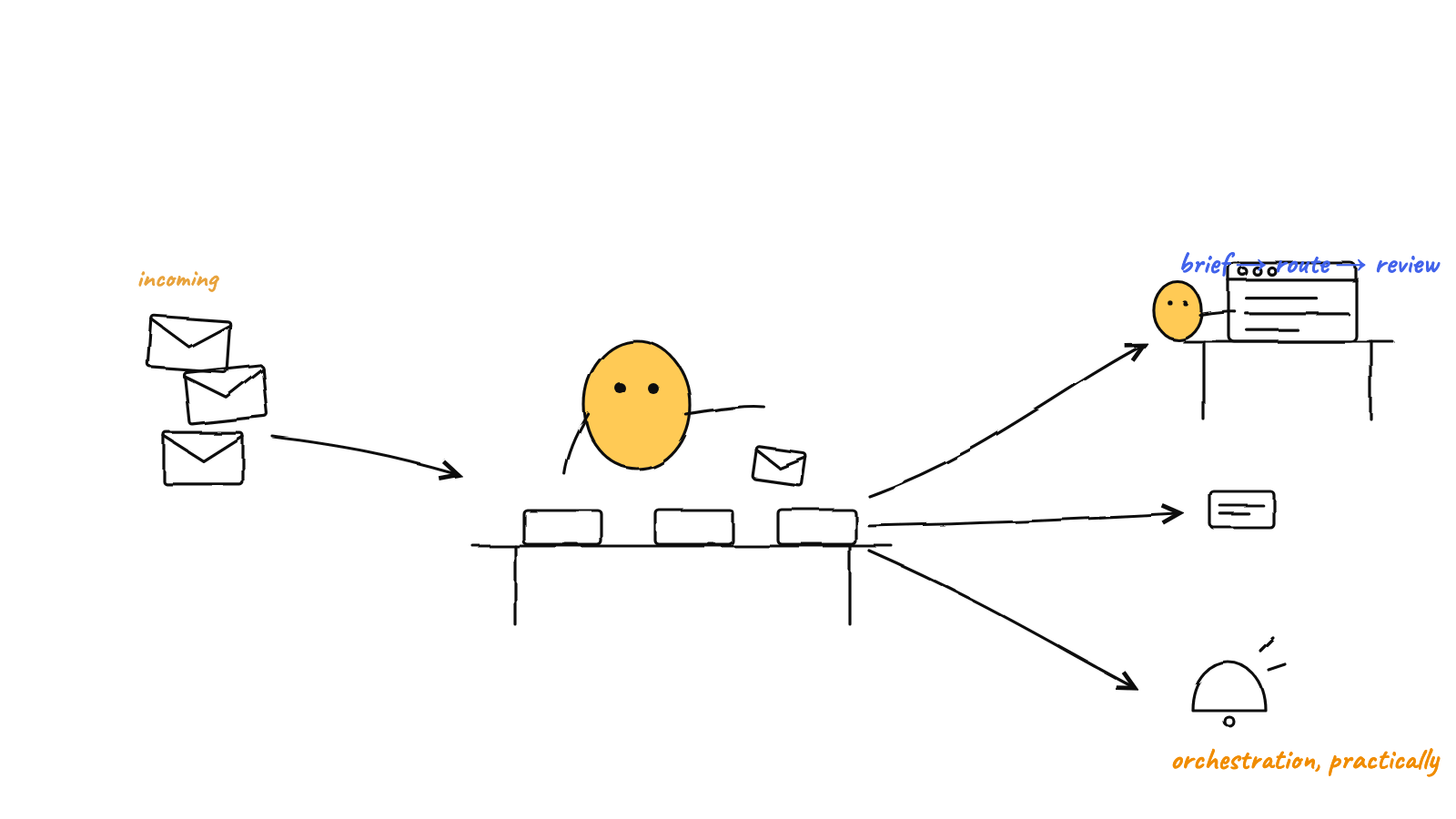
How to orchestrate Claude Code agents in practice: what orchestration means, how a GOD orchestrator routes and escalates work, and how to wire it up.
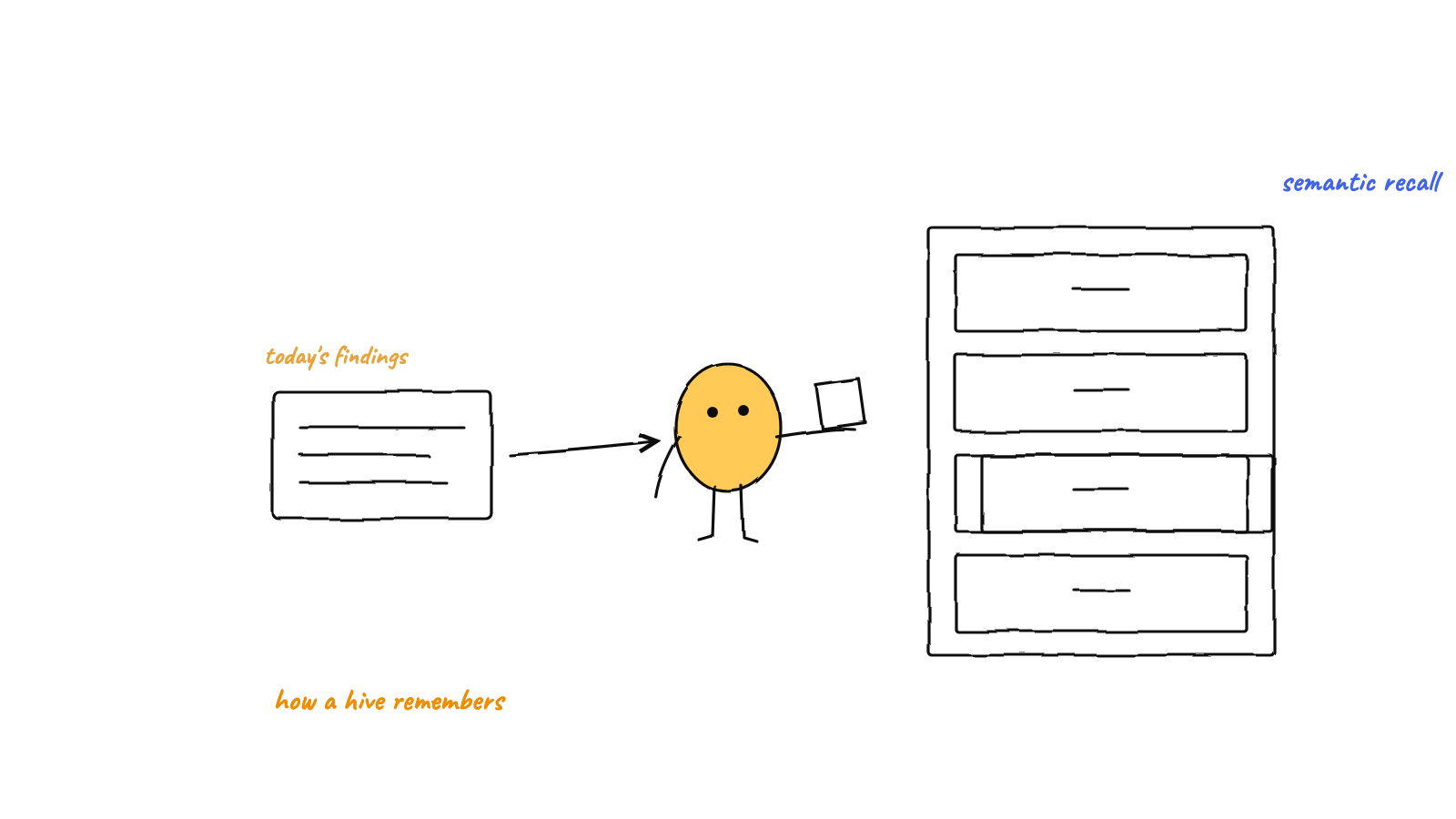
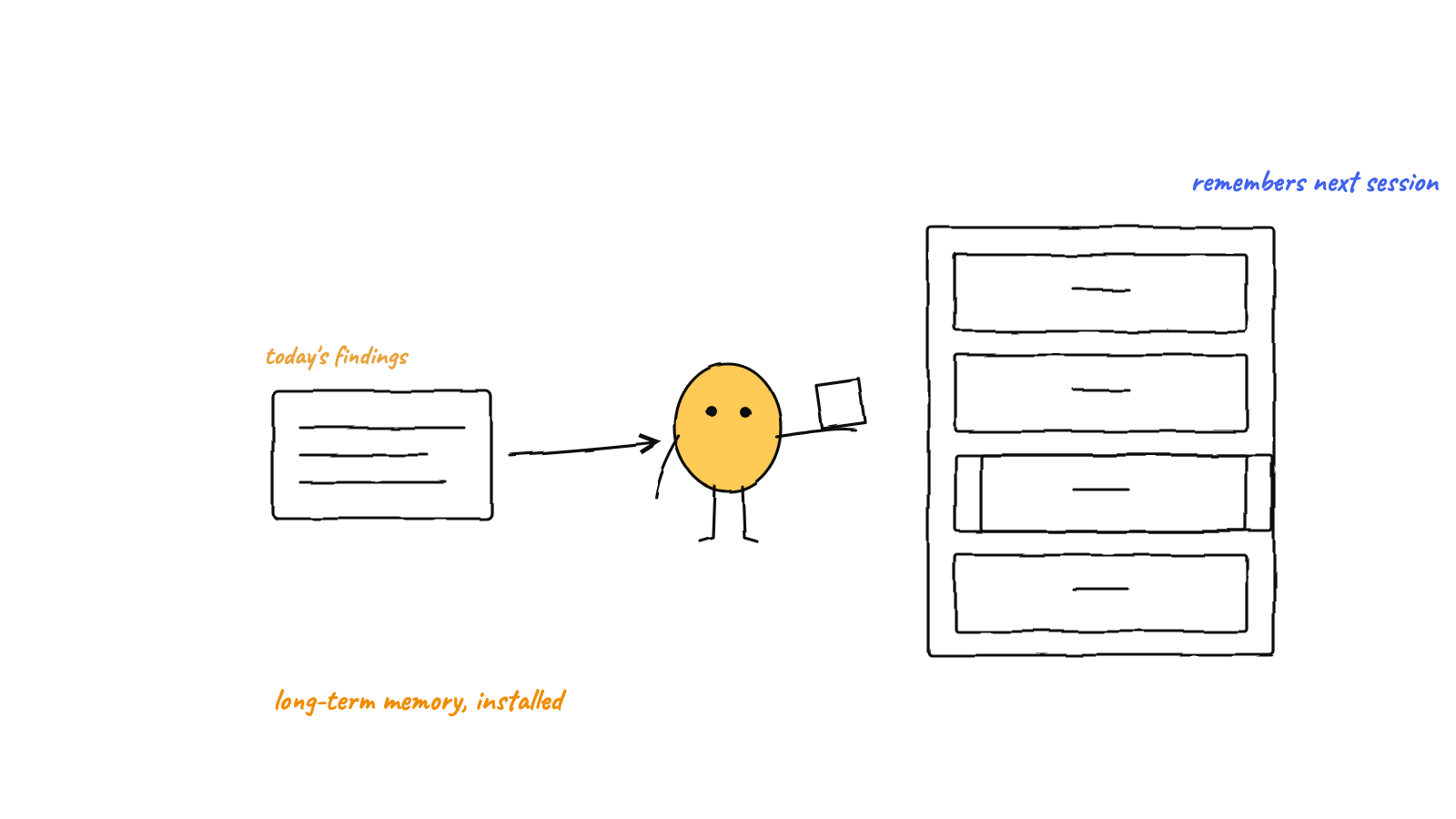
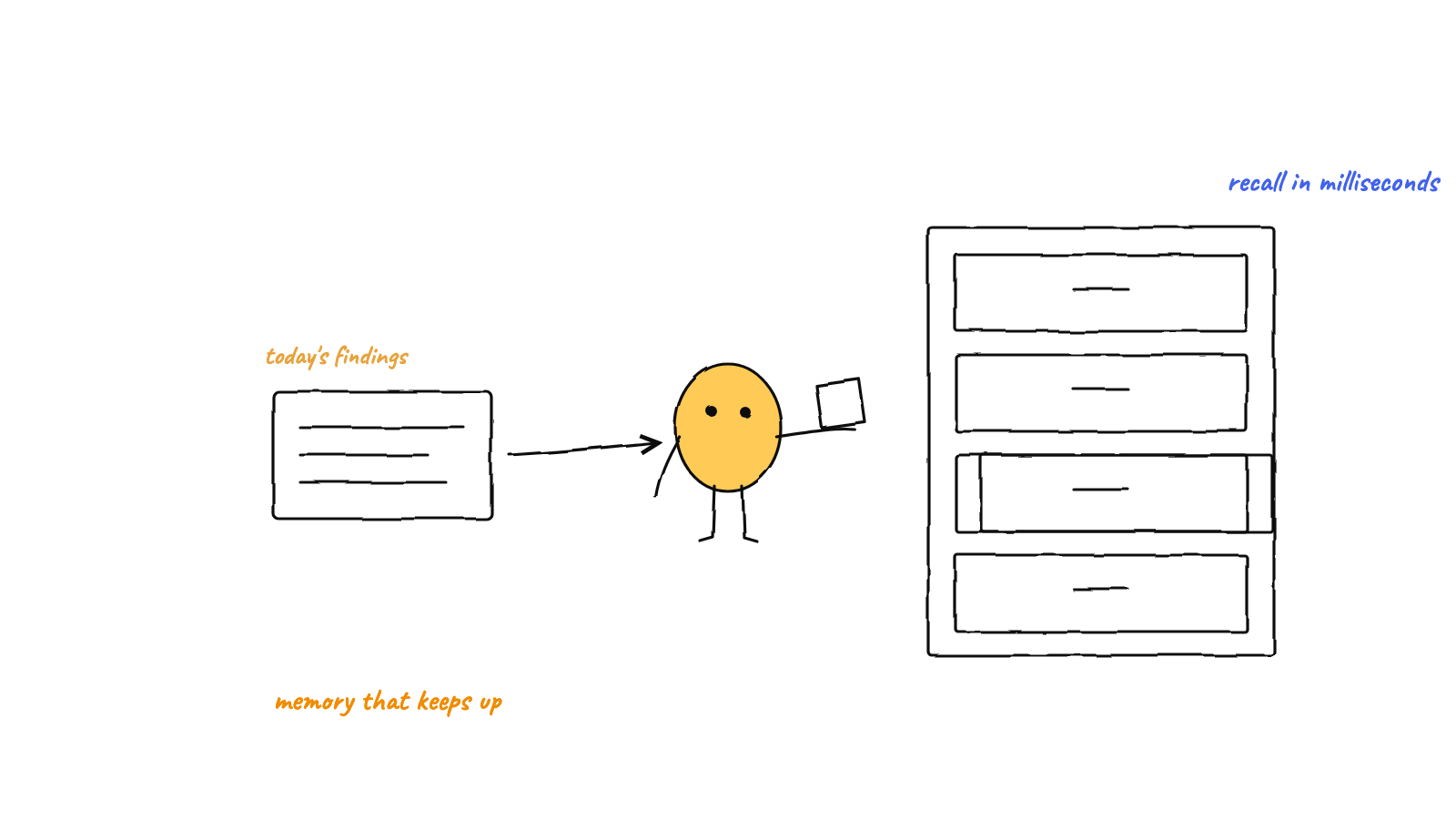
Claude Code forgets between sessions. Here's how a markdown-first memory layer with semantic recall lets your agents remember across runs.
What semantic memory for AI agents is, why a markdown-first store beats a heavy DB, and how a shared palace lets a hive recall a note by meaning, fast.
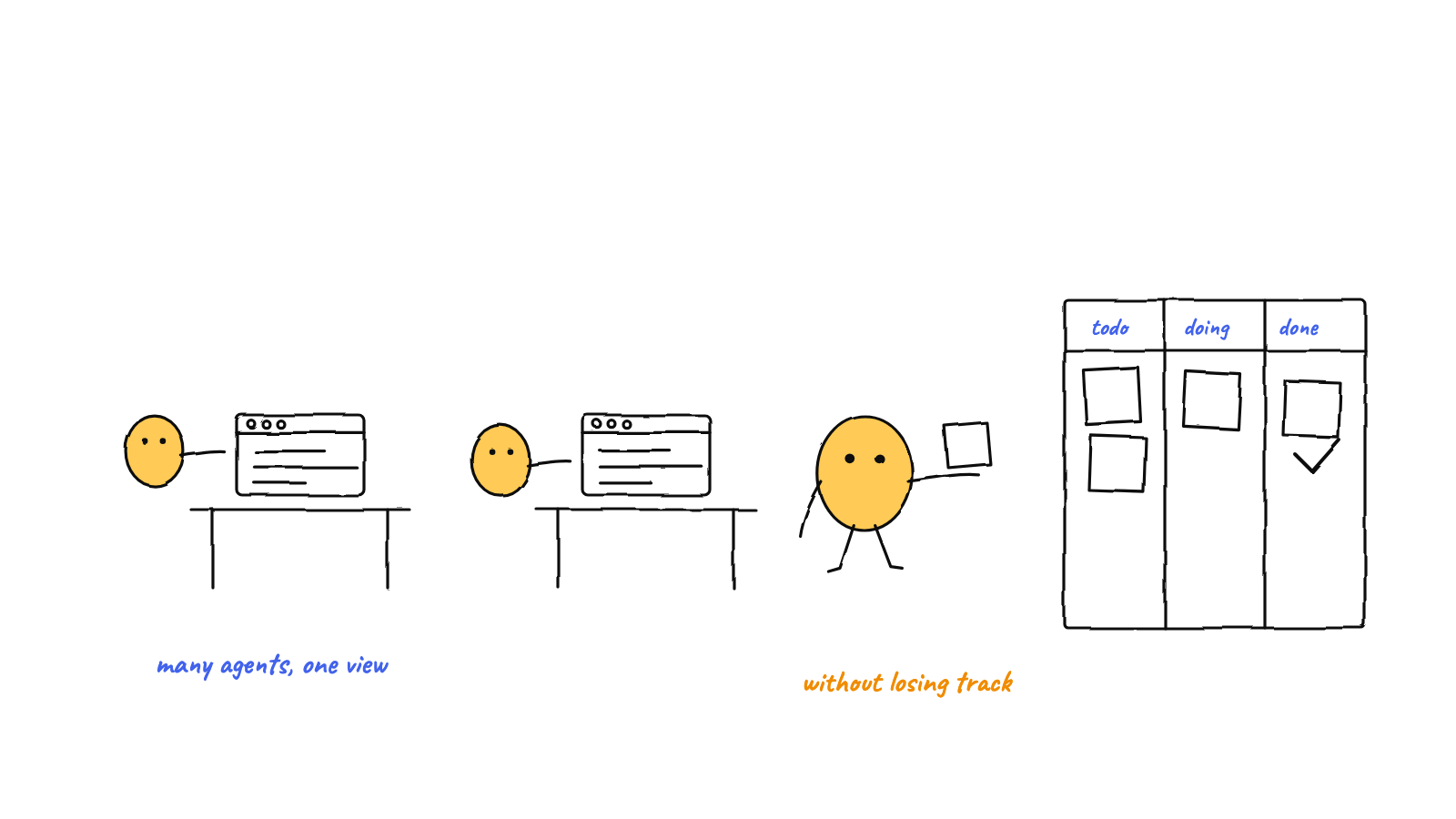
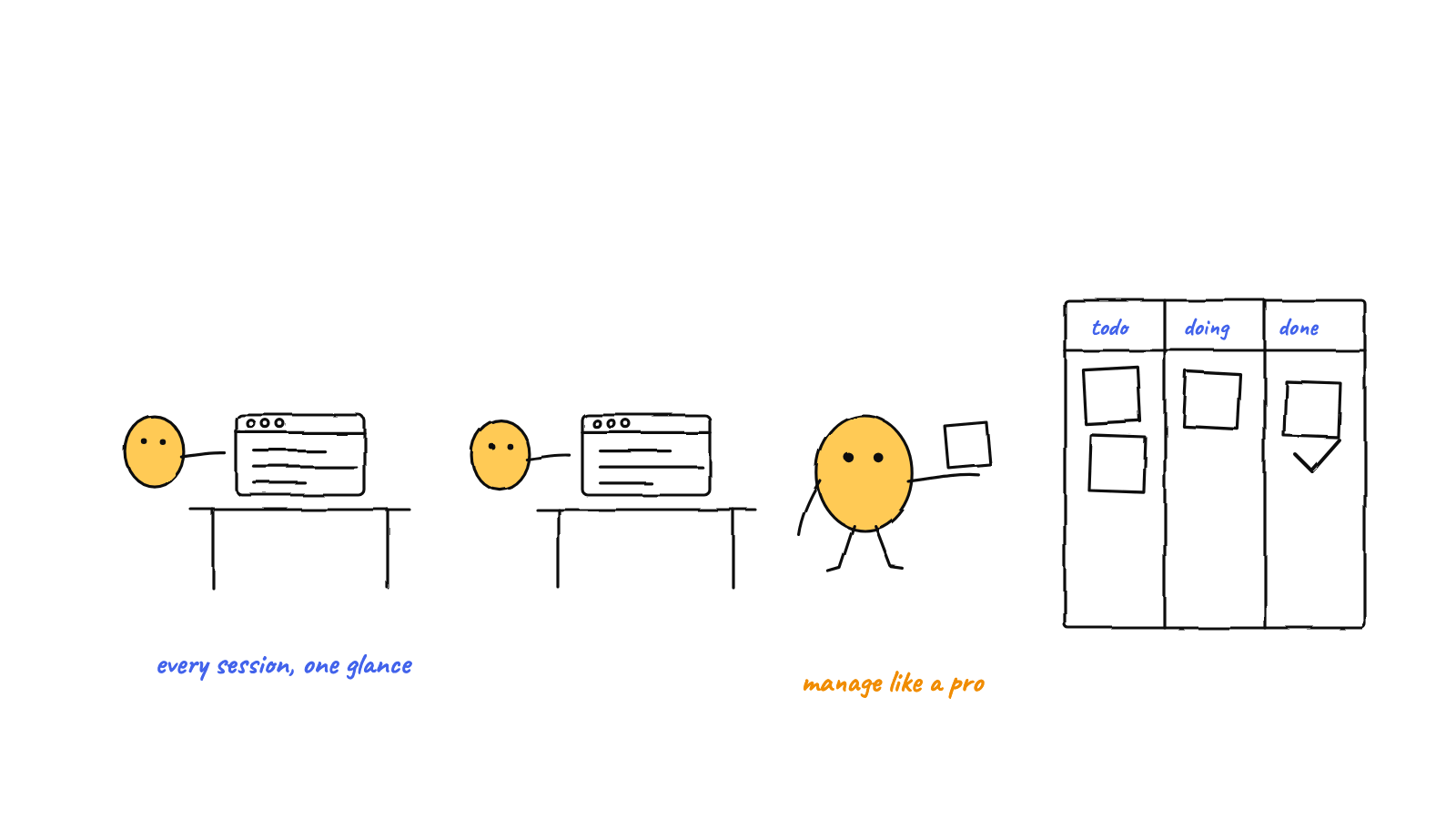
Tactics to manage multiple Claude Code sessions without losing track: naming, roles, context isolation, and when a harness beats juggling terminal tabs.
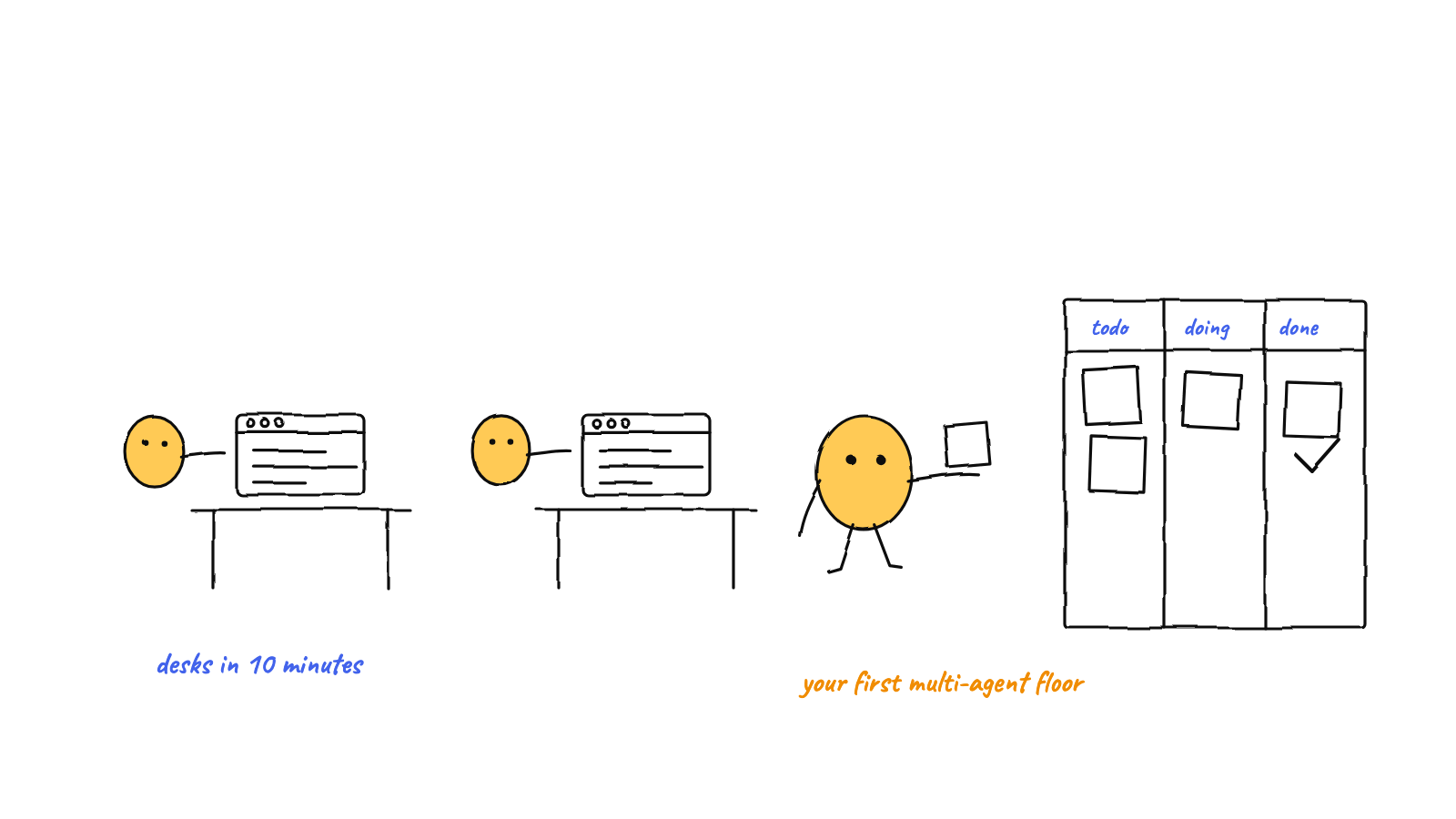
A from-zero Claude Code multi-agent setup: install Munder Difflin, onboard, spawn a few agents, and watch the GOD orchestrator route your first task.
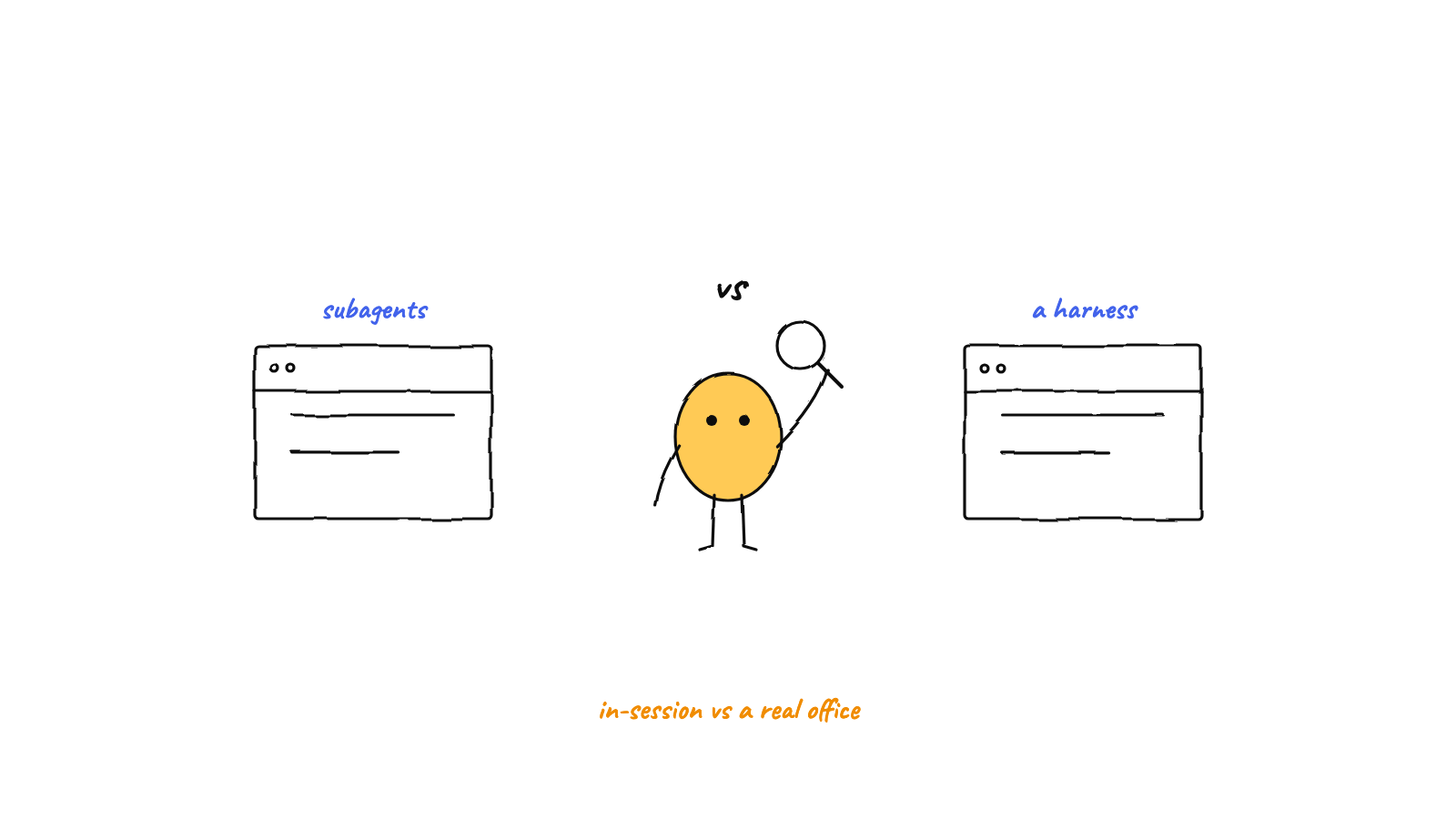
Claude Code subagents vs a multi-agent harness: where subagents stop and a harness with shared memory, messaging, and an orchestrator takes over.
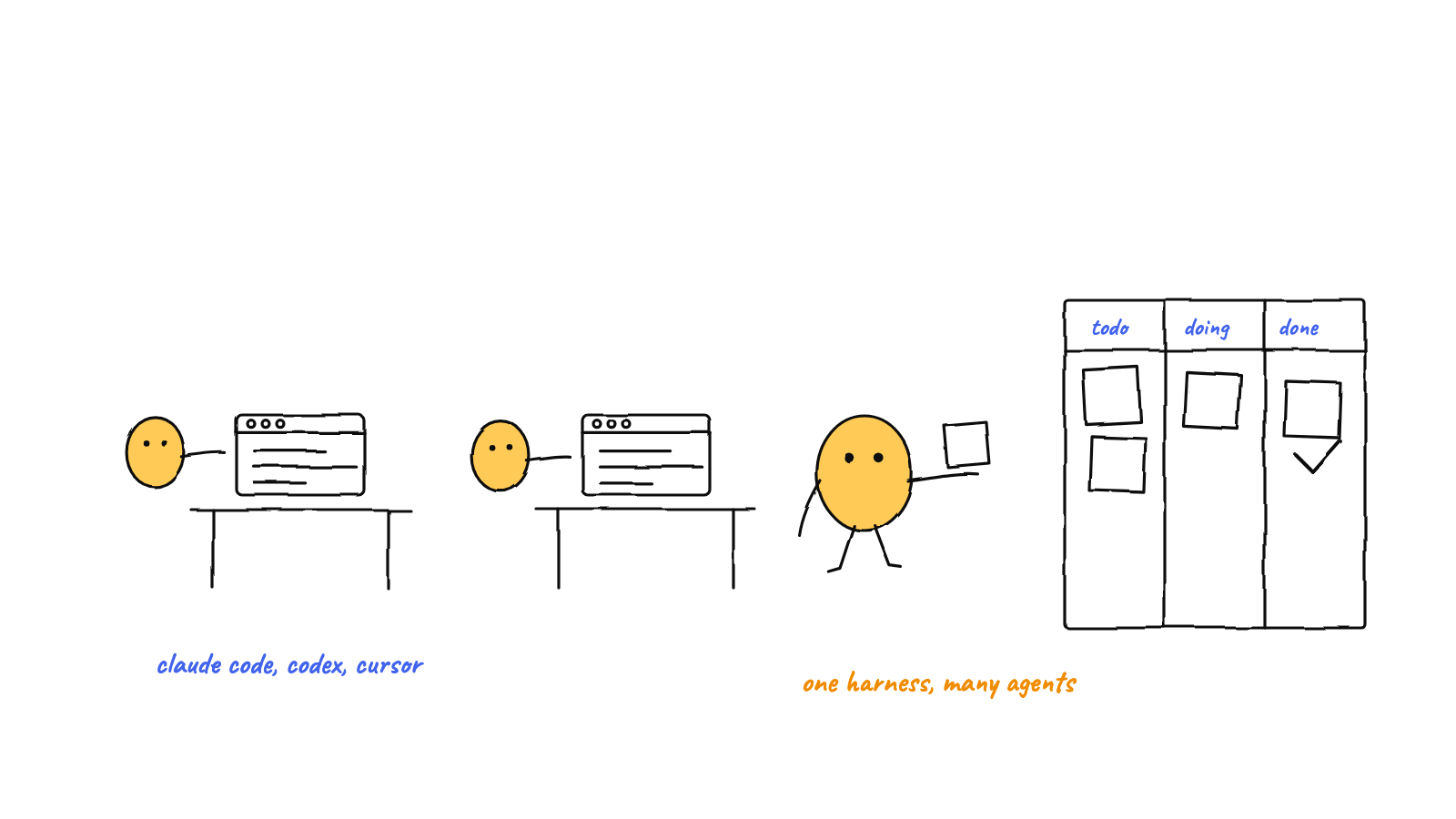
A multi-agent harness coordinates several AI coding agents into one team — here's what that means, and how it differs from a single agent or a framework.