Why We Built Munder Difflin
The origin story of Munder Difflin — how the pain of juggling Claude Code terminals led to a coordinated, memory-backed hive of agents you can watch.
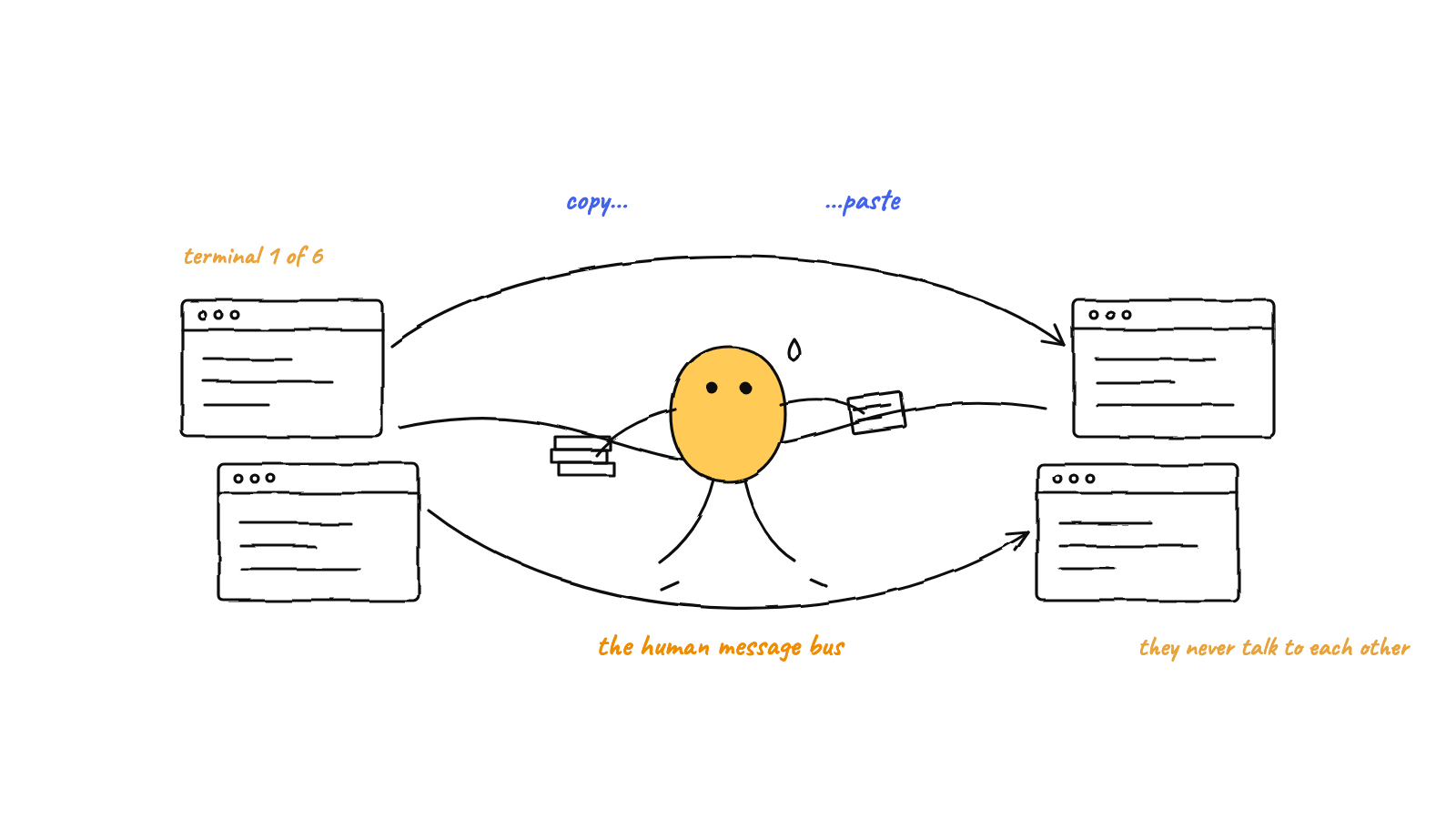
We built Munder Difflin because running several Claude Code agents at once was powerful and miserable in equal measure — they collided, forgot, and turned us into a human message bus. The fix wasn't a better terminal; it was a coordination layer: roles, shared memory, messaging, and an orchestrator you talk to, visualized as an office floor. This is the story of that itch.
Every tool starts with an annoyance specific enough to act on. Munder Difflin started with a wall of terminal tabs and the dawning realization that I had become the slowest part of my own setup.
The itch
Claude Code is great. So great that one session was never enough for long. I’d open a second terminal to parallelize, then a third, then a fourth. Throughput went up — and so did the chaos.
Three frustrations kept recurring, the same ones everyone hits:
- They collided. Two agents would edit the same file and race each other; git would throw
index.lockerrors and leave half-applied changes. - They forgot. Each session started cold. What one agent figured out, the next couldn’t use — so I copy-pasted findings between windows like a courier.
- I lost track. Six tabs in, “what is everyone doing right now?” had no answer. And lost track is where mistakes hide.
The agents weren’t the bottleneck anymore. I was — the message bus, the conflict resolver, and the project’s only long-term memory.
The realization
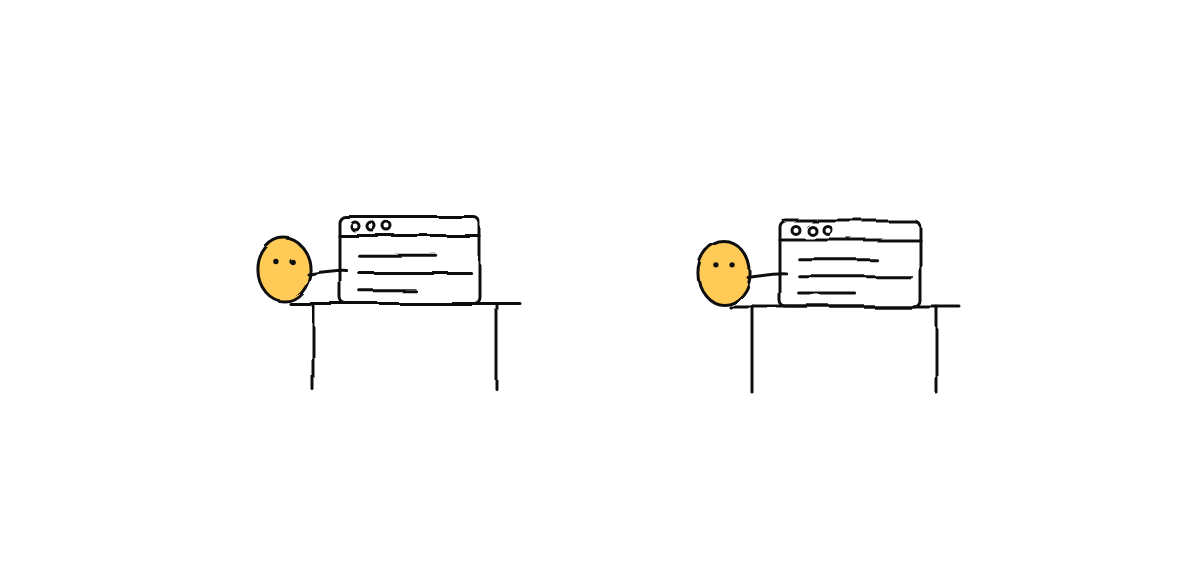
The instinct is to reach for a better terminal multiplexer. But the problem wasn’t running agents in parallel — plenty of tools do that well. The problem was that the agents had no way to coordinate: no shared memory, no way to message each other, no one routing the work but me.
What I actually wanted was an office. A team where everyone has a role, shares what they learn, hands work off directly, and answers to a manager I could talk to in plain language. The missing thing wasn’t more parallelism — it was the coordination layer on top of it.
What we built
So that’s what Munder Difflin is: a layer that wraps the Claude Code agents you already run and makes them a team.
- Roles so each agent stays in its lane.
- Shared memory — a semantic store (MemPalace) the whole hive reads and writes, so knowledge compounds instead of resetting.
- Messaging — every agent has a mailbox; a router delivers between them, so they hand off work without me in the middle.
- A GOD orchestrator — a coordinator you talk to like a manager; it decomposes your intent and routes the work.
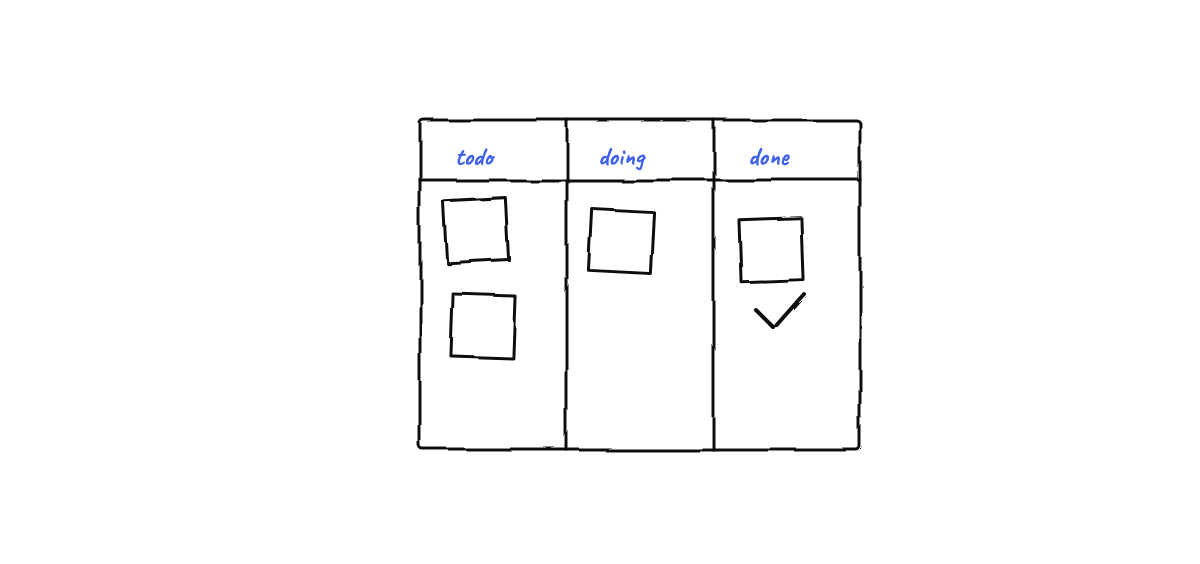
- A floor you can watch — agents as avatars at their desks, so the black box becomes something you can supervise at a glance.
And the joke that became the name: the world’s best agents, the world’s worst paper company. The office metaphor isn’t decoration — it turned out to be the clearest way to think about (and watch) a team of coordinating agents.
Why local, why open source
Two decisions were never really in question. Local-first, because agents that touch your whole codebase shouldn’t ship your code and memory to someone else’s cloud — you keep the control, the privacy, and the predictable cost (the full case). And open source (MIT), because a tool you run against your own code is one you should be able to read, trust, and extend. The code lives on GitHub.
What it’s for
Munder Difflin is for the moment you’ve felt the wall — three or more agents, context evaporating, you alt-tabbing as the message bus. It’s the office of agents I wanted when I had eight tabs open and no idea what half of them were doing.
If you’ve been there, you already understand the itch. The rest of the common questions are answered in the Munder Difflin FAQ.
We built it to scratch our own itch, then made it free for everyone with the same one. Download Munder Difflin — it’s open source and local-first, on macOS, Windows, and Linux.