Launching Munder Difflin v0.4.4: Windows Agents Can Finally Talk
v0.4.4 fixes the bug that silently broke agent-to-agent messaging on Windows, starts hive services on the very first run, rebuilds dark mode so you can read it, and adds a 227-skill catalog, a Prerequisites page, and designed release notes.
v0.4.4 is the release where Windows stops being a second-class citizen. Agent-to-agent messaging worked everywhere except the platform where a huge share of our users live — a cmd.exe quirk ate the hive protocol mid-prompt, silently. That's fixed, along with a first run that never started its own services, a setup wizard you couldn't finish, and a dark mode you couldn't read. Plus: a 227-skill catalog, a Prerequisites page, and release notes with their own designed pages.
Some releases are about new toys. This one is about a hard truth we learned during launch week: a lot of the people who bounced off Munder Difflin weren’t rejecting the idea — they were hitting bugs we couldn’t see from a Mac.
The Windows bug that looked like nothing
Here’s the failure that headlines this release. When Munder Difflin spawns an agent, it hands it
the hive protocol — a multi-line prompt that tells the agent where its inbox/ and outbox/
live, how to message other agents, where its memory is. On Windows, any engine installed as an
npm .cmd shim can’t go straight to CreateProcess, so it ran via cmd.exe /c "…". And cmd.exe
cuts an argument at its first newline.

So Windows agents received exactly one line of their job description. They booted, rendered, answered prompts, looked completely healthy — and had no idea they could talk to anyone. No error, anywhere, because nothing failed. The floor just never came alive.
v0.4.4 decodes the npm shim and launches its real interpreter with a proper argv array — no cmd.exe in the middle, no truncation. A second pass handles OpenCode’s compiled-binary shims, which the first fix didn’t model — and OpenCode on Windows is confirmed working, re-verified on a real Windows machine on August 19. The full autopsy is in its own post, because bugs this quiet deserve a paper trail.
First runs that actually run
Three more launch-week wounds, closed:
- A fresh install never started its hive services. The message router, hook server, and mission scheduler all waited for a home folder that a first run doesn’t have yet — and nothing re-kicked them once onboarding set one. New installs now bootstrap the moment the home exists.
- The setup wizard could not be finished if it suggested
~/HarnessAgents— the~was taken literally andmkdirdied. Onboarding now validates the folder at step one instead of failing after step four. - Dark mode was unreadable in a specific, measurable way. The structural border token measured under 2.1:1 contrast against every surface — 187 uses, 93 of them as 1px borders — so the whole UI read as flat grey. It’s rebuilt at 3.4–4.0:1 on a warmer ground.
Did it matter? The clearest signal yet that it did: the share of fresh installs that make it all the way to a running agent has climbed visibly since these fixes shipped. People who used to hit a wall now hit an office floor.
The new toys (there are some)
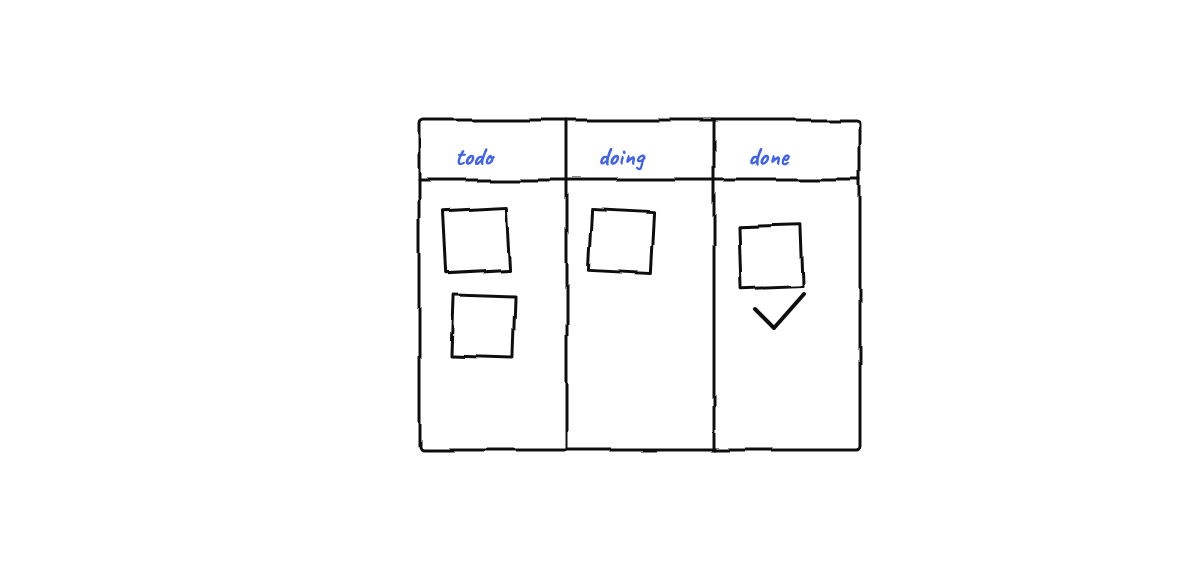
Skills. A browsable catalog of 227 skills with search, category and publisher filters, and
one-click install across Claude Code, OpenCode and Codex — with scope precedence handled, and
uninstall guarded so it refuses anything that isn’t a real SKILL.md folder inside a managed
root. If you’ve read our take on MCP and skills in a hive,
this is that opinion, shipped.
Prerequisites. A Settings page that answers “why won’t this engine start?” before you ask: live status for uv, git, Node, MemPalace and every agent engine, real paths, platform-correct install commands — and a button that asks Michael to fill the gaps for you.
Release drops. A release can now carry its own authored HTML page, rendered in a fully sandboxed iframe. Release notes shouldn’t have to be bullet points forever.
And smaller things you’ll notice: the update toast now says what’s actually in the update, the IDE previews images, fullscreen roster cards show model, project and a context gauge, and Grok 4.6 joined the model picker.
Credits where they’re due
This is the first release where community fixes are a run, not a cameo — and that deserves names, not a footnote. @gts-47 landed eight pull requests in this release (#129–#134, #143, #144): among them, terminal copy no longer drags the CLI’s quote rail along, agent terminals run in UTF-8, task-ledger writes are atomic, and one odd message id no longer silences an agent’s wake nudge. @baziyer fixed the office floor rendering when nobody’s looking at it (#142) — the politest possible performance win.

Contributors now also get something small and silly for it: merge a PR and a workflow hands you the employee of the month role in our new Discord. It felt thematically required.
Get it
If you’re already on 0.3.5 or later, do nothing — the app will offer the update itself, and the toast will tell you exactly what’s inside. Fresh install: munderdiffl.in. And if Windows burned you during launch week, this is the release that’s owed to you — the full changelog has every receipt.
FAQ
What's the headline fix in Munder Difflin v0.4.4?
Agent-to-agent messaging now works on Windows. A cmd.exe quirk was silently cutting the hive protocol out of every agent's startup prompt, so Windows agents booted, looked healthy, and had no idea they could message anyone. v0.4.4 launches the real interpreter directly with a proper argument array, so the full protocol arrives intact.
What's new besides the fixes?
A browsable catalog of 227 skills you can install across Claude Code, OpenCode and Codex; a Prerequisites page in Settings that shows live status for git, Node, uv, MemPalace and every engine; release notes that can carry their own designed page; an update toast that says what actually changed; and a rebuilt dark mode with readable contrast everywhere.
Do I need to do anything to upgrade?
No. The app updates itself from GitHub releases — you'll get a toast that now tells you what's in the update, and installation happens only when you click Restart. Fresh installs additionally benefit from first-run fixes: hive services now start on a brand-new install, and onboarding validates your home folder at step one.