Make Real Money While Playing GTA 6: A Freelancer's AI Agent Setup
GTA 6 pays nothing in real money; your client work can. What AI agents prepare for freelancers, what stays yours, and a 20 minute approval routine.
Playing GTA 6 earns you no real money, because Take-Two’s terms say in game items “have no monetary value”, but your client work can keep earning while you play if AI agents prepare it and you approve it. Checked 19 Nov 2026.
Grand Theft Auto VI launched 19 November 2026 on PlayStation 5 and Xbox Series X|S, per Rockstar’s Newswire, and Rockstar calls it “a single player experience”. This guide is for freelancers (writers, designers, developers, editors, virtual assistants) whose clients did not take the day off. You can prepare the work by hand, or use Munder Difflin, free and open source: a desktop app that runs a team of AI agents for all kinds of knowledge work, coding included, on your own computer.
Can you make real money playing GTA 6?
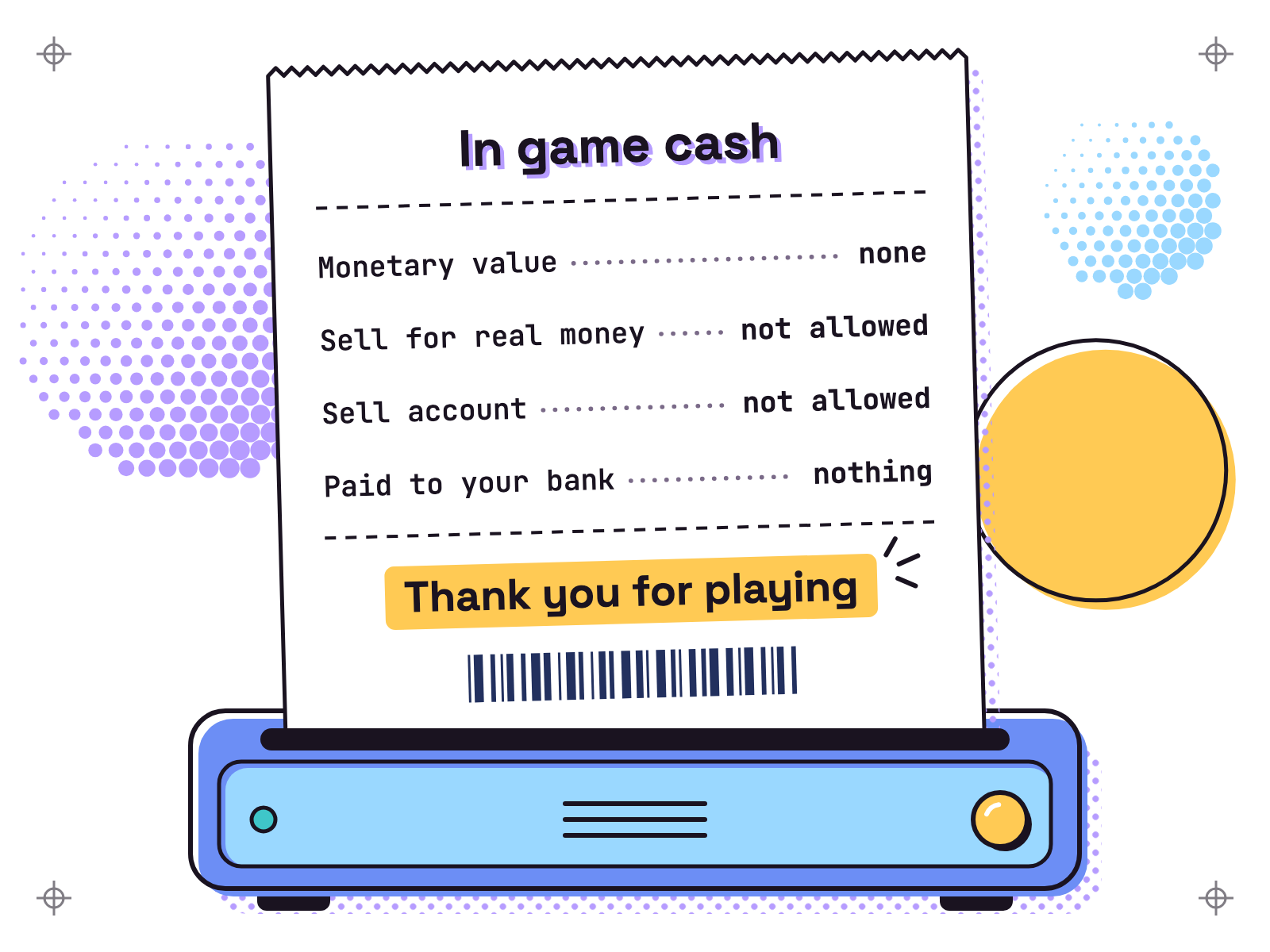
No, not from the game. Take-Two’s Terms of Service, last updated February 28, 2025, cover “all Take-Two entities and labels”, and its investor page says Take-Two publishes “principally through Rockstar Games, 2K, and Zynga”. The terms count “in-game virtual currency” as a virtual item, then say:
Virtual Items have no monetary value, cannot be used outside of the Services, and may not be sold, transferred or redeemed for real money or items of value outside of the Services unless subject to separate, express written terms provided by Take-Two permitting such conduct.
Rockstar’s own Terms of Service, with the same date, carry the same rule with “Rockstar” in place of “Take-Two”. Accounts too: you “agree not to sell, transfer, or share your Account”, and a breach can get your access suspended or terminated. So the in game cash you stack this week pays nothing to your bank. Thank you for playing.
“Get paid to play” means a business on top of the game (streams, clips, a guide site), paid by a platform or a client after approval, and it can pay zero. Those follow Rockstar’s footage policy; our guide to making money with GTA 6 covers them.
Which freelance tasks can AI agents prepare?
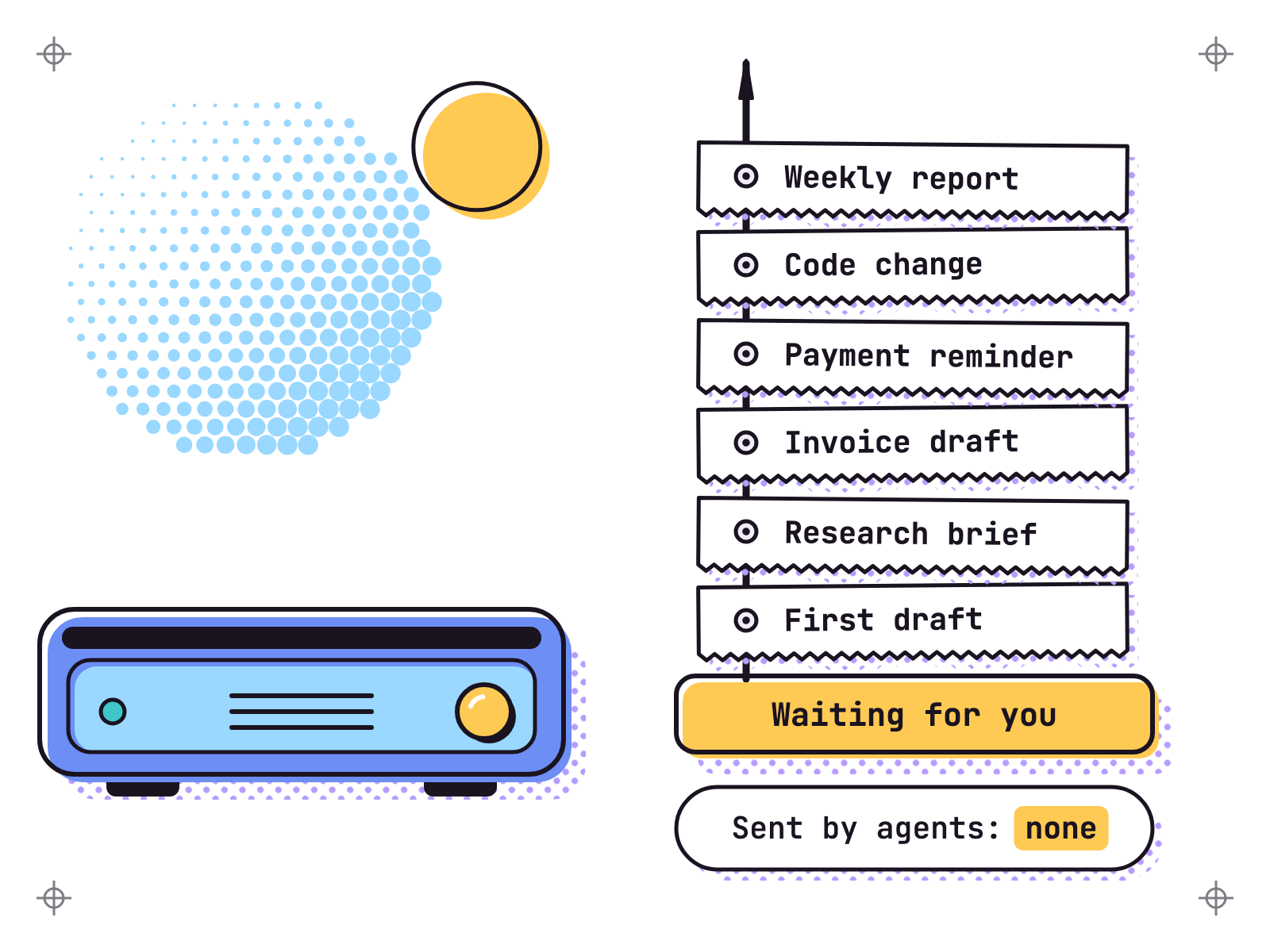
AI agents can prepare any task that ends as a draft you read. Six common ones: first drafts, research briefs, invoices, payment reminders, code changes and weekly reports. Our view of the split, as of 19 Nov 2026:
| Freelancer | The agent prepares while you play | You do between missions |
|---|---|---|
| Writer | A first draft from your outline and the brief | Fix the voice, check facts, deliver |
| Designer | A brief summary, references, an export checklist | Every design choice, the final file |
| Developer | A code change on its own branch, tests run | Read the diff, merge or reject |
| Editor | Edit notes and a list of claims to verify | Accept or reject each change |
| Virtual assistant | An inbox summary and reply drafts | Send, or rewrite and send |
| Everyone | Invoice and reminder drafts from your time log; a weekly client report | Check every number, send it yourself |
The rule that makes this safe: a draft stays a draft until you send it, waiting for you in a review folder, not in your client’s inbox. Ask for a link beside every research claim, so checking one takes a click instead of faith.
What must you still do yourself?
You still do everything that carries your name, your judgment or a client’s money:
- Send. Every email, file and invoice leaves from your account, after you read it.
- Decide. Creative calls, scope changes and your rates.
- Check the money. Amounts, dates, tax lines and bank details, on every invoice.
- Talk. Calls and bad news. The agent drafts a polite third reminder; the firm phone voice is still you.
- Guard client files. Some contracts limit where client material may go or whether AI tools may touch it. Read yours first.
- Be honest. If a contract or platform asks how you use AI, tell the client. Never fake being online; “I reply in the evenings this week” is honest.
What does a 20 minute approval routine look like?
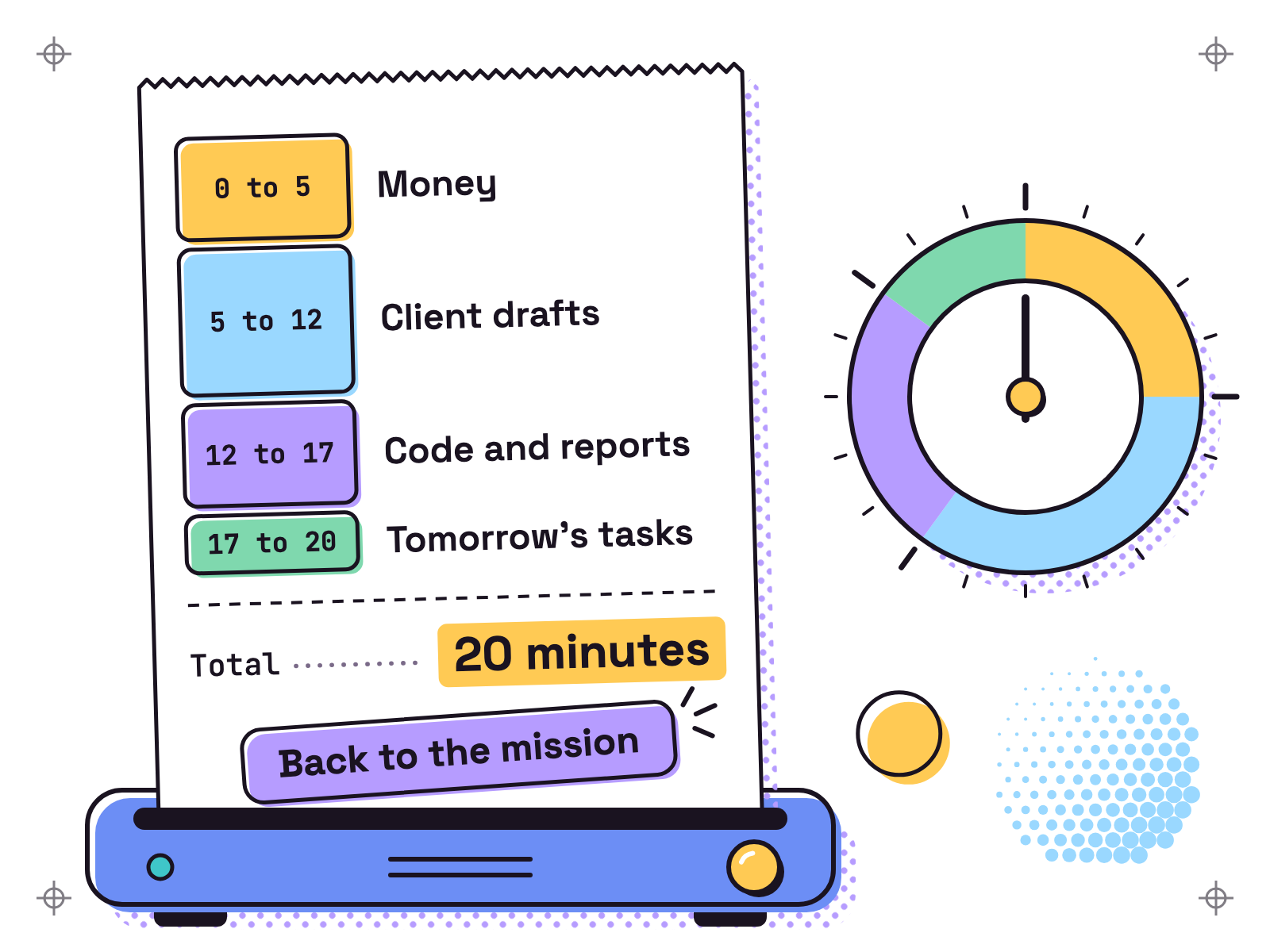
Our view: one 20 minute block a day, between missions, money first. Save the game before you start; nobody checks an invoice well halfway through a mission.
- Minutes 0 to 5, money. Check the invoice and reminder drafts, fix any number, send.
- Minutes 5 to 12, client drafts. Approve, edit lightly, or send one back with a line of feedback.
- Minutes 12 to 17, code and reports. Read the summary, then the diff. Merge only what you read.
- Minutes 17 to 20, tomorrow’s tasks. Give each agent its next task, then back to the mission.
A draft that needs more than a light edit is not ready. Send it back with a note, or the routine quietly becomes a workday.
How do you set it up in one evening?
Write a brief per client, give each agent one job, and send every output to one review queue.
- A one page brief per client: deliverables, tone, deadlines, what never to touch.
- One job per agent: drafter, researcher, bookkeeper, coder or reporter.
- One review folder for every output. Nothing sends itself.
- A morning schedule, so drafts wait for you before your first session.
- One real task tonight. Fix the brief, not the draft.
Munder Difflin has the parts. Its README lists “Kanban tasks with dependencies, scheduled missions + heartbeat”, and harnessmd.com says “Schedules and webhooks start work on their own. Close your laptop and a Cloud Office keeps going”. Some of this is Pro; the same page says “Pro adds the Pro workspace: an orchestrator that runs your other agents, a task board, an inbox, automations, memory, Stapler, temps and the capabilities catalog. The free plan lets you use Pro features up to a monthly allowance of work tokens.” The Cloud Office is live: agents in the cloud, always on, so work goes on with your computer off and your console on.

New to it? Start with how to install and use Munder Difflin, then approving AI agents. Running a launch business instead? Read GTA 6 business ideas next. Employed? See GTA 6 day off work and GTA 6 productivity for teams.
FAQ
Can you make real money playing GTA 6?
Not from the game itself. Take-Two's Terms of Service say virtual items, which include in game currency, have no monetary value and may not be sold or redeemed for real money unless Take-Two gives separate written terms, and Rockstar's own terms say the same. Any real money in launch week has to come from paid work you already have, such as client projects.
Can I sell my GTA 6 account or in game cash?
Take-Two's terms say no. You agree "not to sell, transfer, or share your Account", and the user rules rule out any market that sells or exchanges virtual items or accounts. A breach can get your access suspended or ended.
Is there a job where you get paid to play GTA 6?
Not from the game. Paid play means a business on top of it, such as streaming, clips or a guide site, paid by a platform or a client after approval, and the payout can be zero. Our guide to making money with GTA 6 covers those.
Can AI agents send invoices and client emails for me?
They can draft them; in this setup you send them. Agents prepare invoices, payment reminders and replies from your notes, and you check the numbers and the wording before anything leaves your own account.
Should I tell clients I use AI agents?
We think yes, and always when a contract or platform asks how you use AI tools. The work goes out under your name, so you read and approve every piece. Never set anything up to make you look online when you are not.