A vibe-kanban Alternative for Coordinating AI Agents
vibe-kanban gives you a board to assign tasks to coding agents. When a self-routing hive is the better vibe-kanban alternative — and when a board wins.
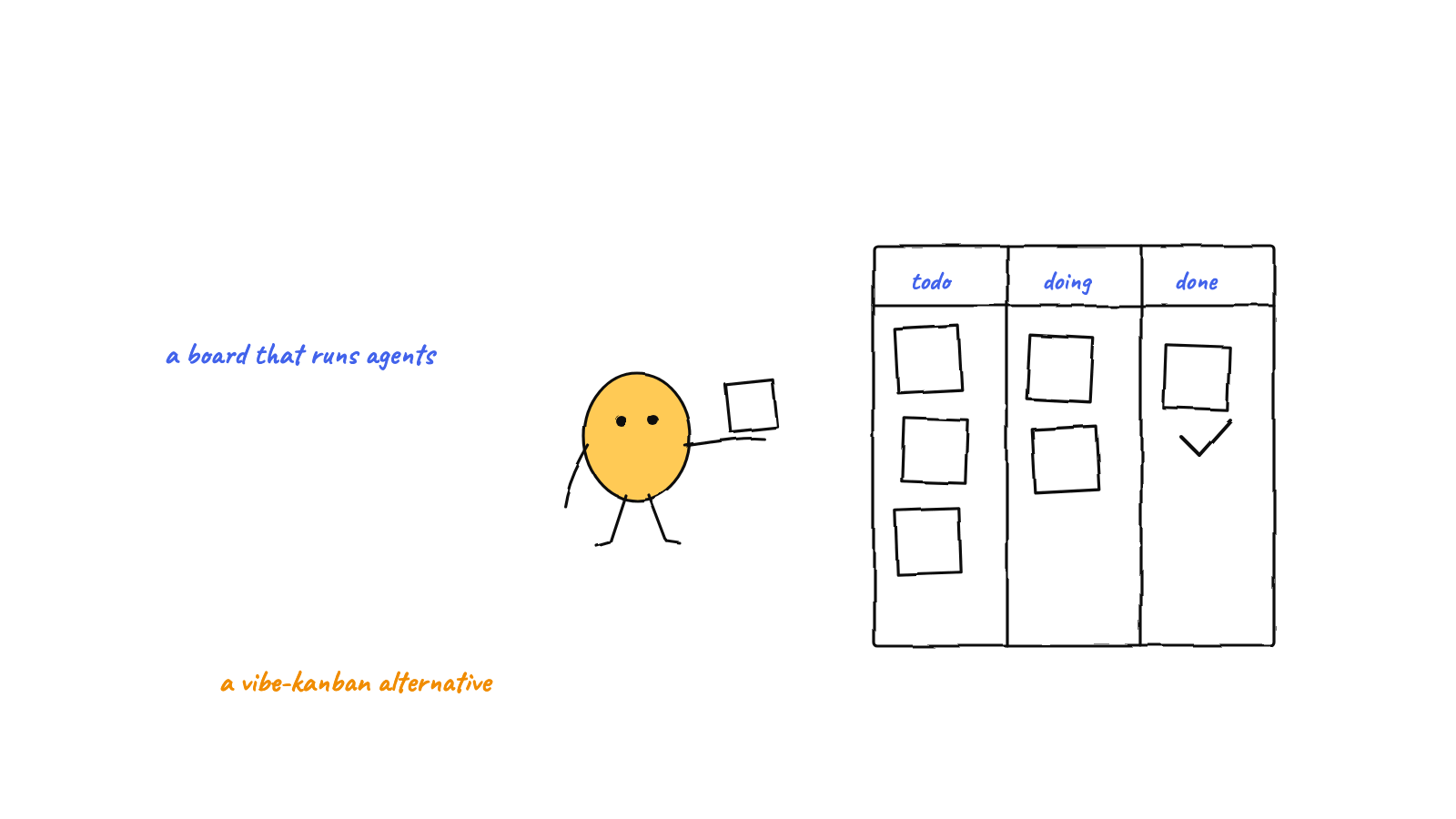
vibe-kanban is a kanban board for AI coding agents: you create tasks as cards, assign them to agents, and move work through columns. A vibe-kanban alternative makes sense when you'd rather not drive the board yourself — when you want an orchestrator that decomposes your intent and routes work, plus agents that share memory and message each other. Board vs. self-routing hive: pick by who you want doing the routing.
vibe-kanban is a clever reframing of agentic coding: treat your agents like a team with a backlog. Before the alternative, here’s what it does well — because the board model is genuinely good for some workflows.
What vibe-kanban does well
vibe-kanban is an open-source kanban board for orchestrating AI coding agents. It’s agent-agnostic (Claude Code, Gemini, Codex, and others), and you work the way you’d work any board: create tasks as cards, assign them to agents, and move them through columns from to-do to in-progress to review.
- The board is a legible mental model. Everyone understands kanban. The state of all work is visible in one view.
- It’s agent-agnostic. Mix and match the coding agents you already use.
- Review is built into the flow. Cards move to a review column so you approve outputs before they land.
If you think in tasks and want a project-management surface over your agents, vibe-kanban fits naturally. The reason to look elsewhere is about who does the routing.
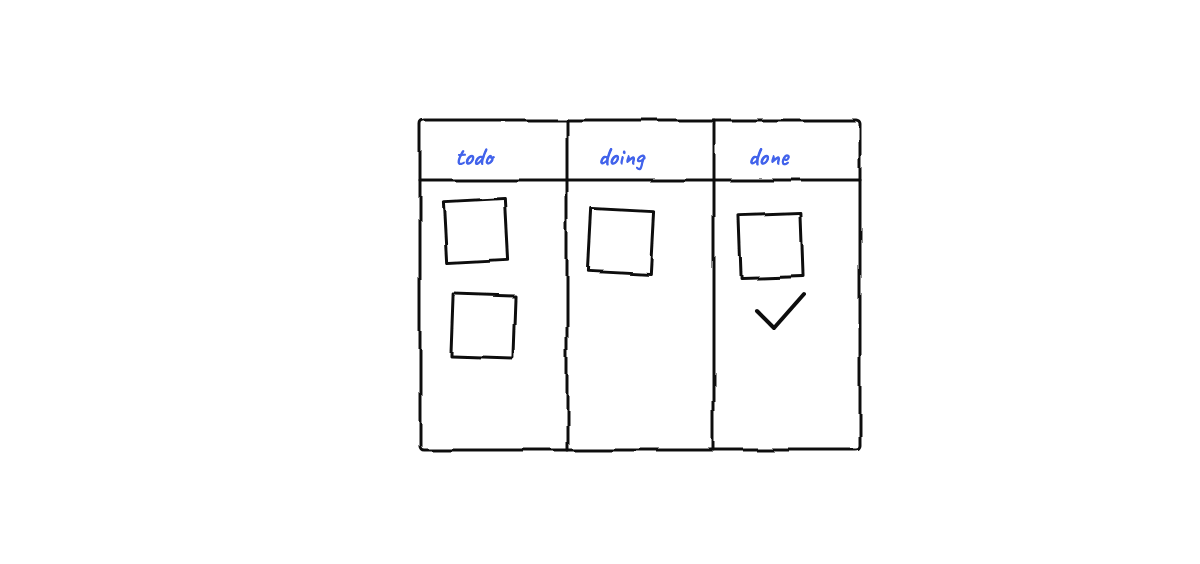
Where a board leaves the work to you
A kanban board is something a human drives. That’s its strength and its ceiling:
You are the router
Cards don’t move themselves. You decompose the goal into tasks, decide which agent gets which card, and shuffle the board. For a tidy backlog that’s fine; for fluid, branching work it becomes the bottleneck — the coordination overhead you were trying to escape.
Cards don’t carry shared memory
A card is a task, not a brain. Agents working different cards don’t pool what they learn; there’s no shared long-term memory across the board, so context doesn’t compound.
Agents don’t message each other
Coordination between cards goes through you and the board, not agent-to-agent. There’s no mailbox for one agent to hand a finding directly to another.
What a self-routing hive does instead
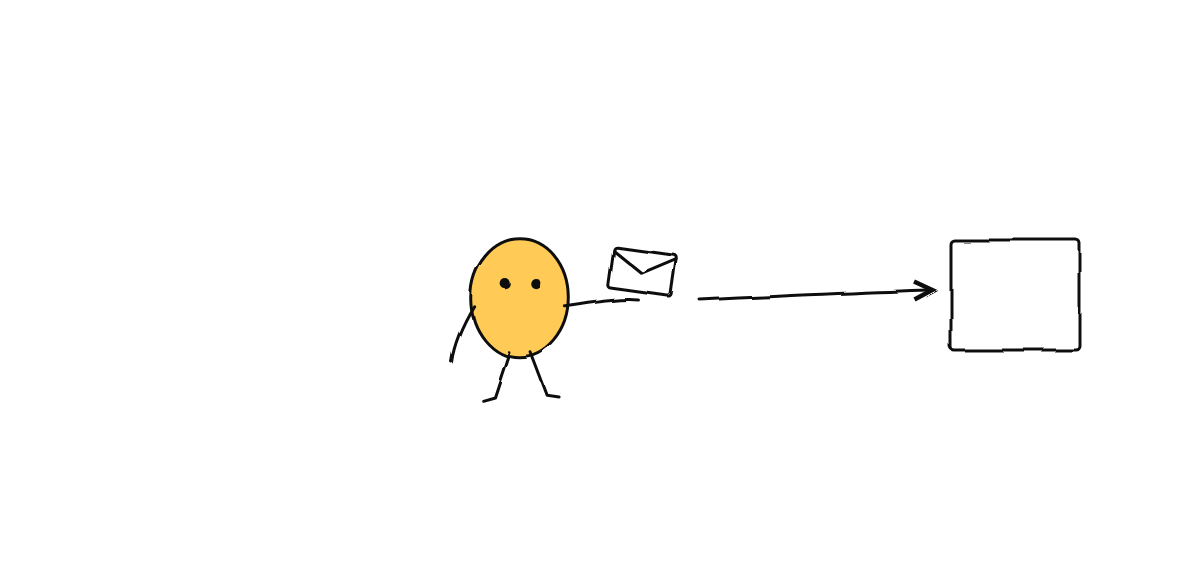
The alternative flips the model: instead of you working a board, you describe intent and the system routes the work.
- An orchestrator decomposes and assigns. A GOD agent you talk to in plain language breaks your goal into tasks and routes them to the right agents — the board management happens for you.
- Shared memory. Every agent reads and writes a semantic memory layer (MemPalace), so the team’s knowledge accrues instead of living in disconnected cards.
- Direct messaging. Agents hand work and findings to each other through mailboxes.
- Visibility without manual upkeep. You watch a live office floor rather than maintaining columns — the state is observed, not curated.
That’s Munder Difflin: a multi-agent harness built around an orchestrator, shared memory, and messaging, visualized as a watchable floor. Open source (MIT), local-first, on macOS, Windows, and Linux.
Board or hive? How to choose
- Keep vibe-kanban if you want a board — explicit tasks, manual assignment, a column-based review gate, and an agent-agnostic queue.
- Choose a hive if you’d rather describe a goal and have it routed for you, with agents that remember and talk to each other.
It’s not that one is better — they answer different questions. For the full field, see the best tools to run multiple Claude Code agents and the criteria-based orchestration tools comparison.
The landscape changes quickly — check vibe-kanban’s repo for current features. We’ve described it on its own terms; Munder Difflin is our own project.
If you’d rather orchestrate than administrate, download Munder Difflin and let the routing happen for you — free and open source.