Nimbalyst Alternatives: 5 Tools Like Nimbalyst for Parallel Agents (Nov 2026)
Nimbalyst wraps Claude Code and Codex sessions with editors and a session kanban. Five alternatives with platforms, licence and price, checked 14 Nov 2026.
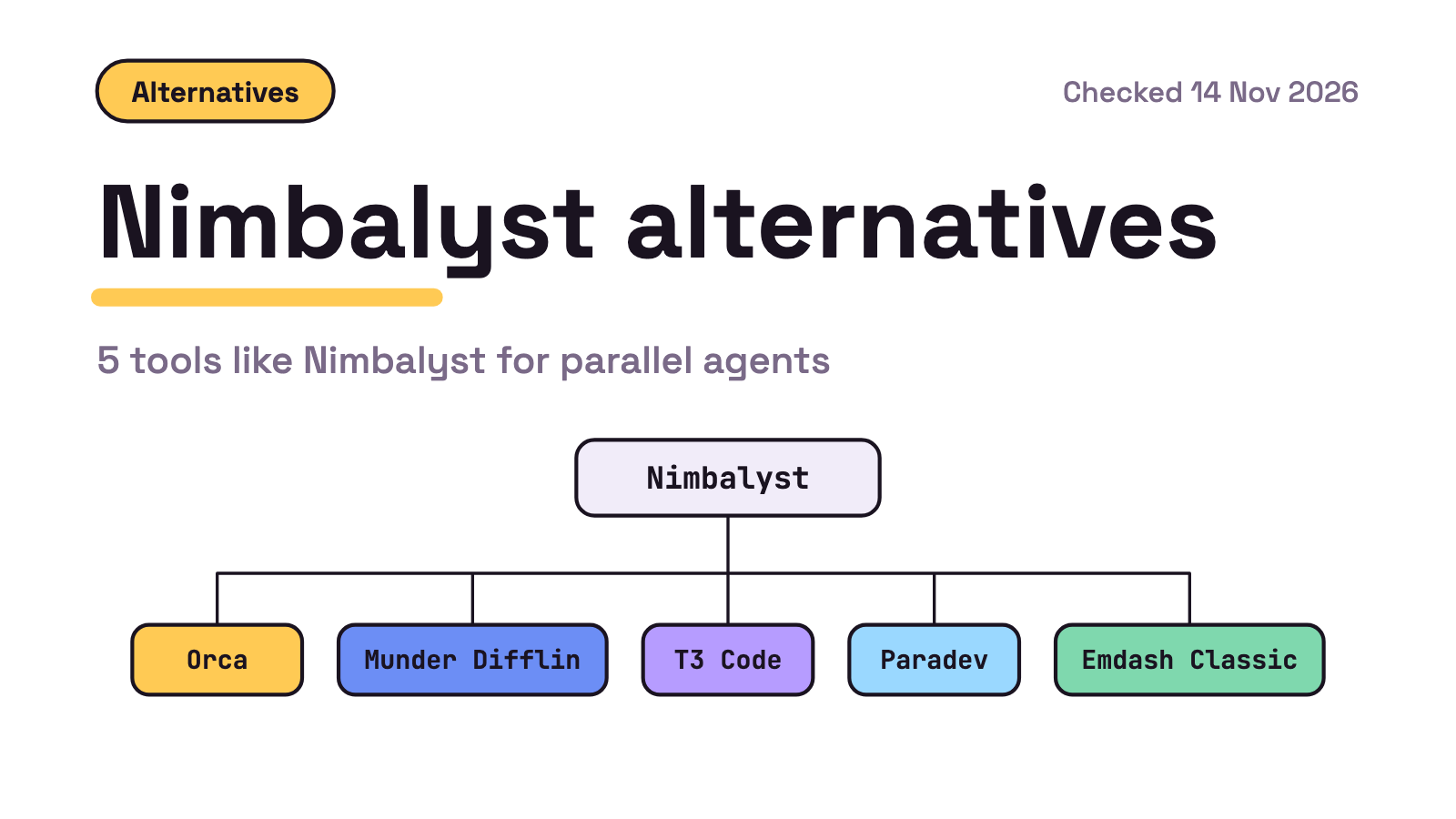
Our view: Orca is the closest Nimbalyst alternative, because it is a free, MIT licensed desktop app that runs Claude Code and Codex side by side, each in its own worktree, with your GitHub and Linear tasks in one place. Checked 14 Nov 2026.
We make Munder Difflin, which is free and open source: a desktop app that runs a team of AI agents for all kinds of knowledge work, coding included, on your own computer. See the Comparisons hub and our pinned Herdr alternatives guide.
What is Nimbalyst?
Nimbalyst is a desktop workspace that wraps Codex and Claude Code sessions with visual editors and task tracking. Its README, read 14 Nov 2026, calls it an “Open-source visual workspace for building with Codex, Claude Code, OpenCode, and other coding agents.” The Crystal README says Crystal “has been deprecated and replaced by Nimbalyst”.
How does Nimbalyst run?
It runs on your computer and drives agents you already pay for. The README lists macOS, Windows and Linux, “with an iOS companion app”. It runs “Codex and Claude Code side by side, plus OpenCode and GitHub Copilot in alpha and a Gemini provider.” The pricing page says “You bring your own AI access”.
What do its session kanban and editors do?
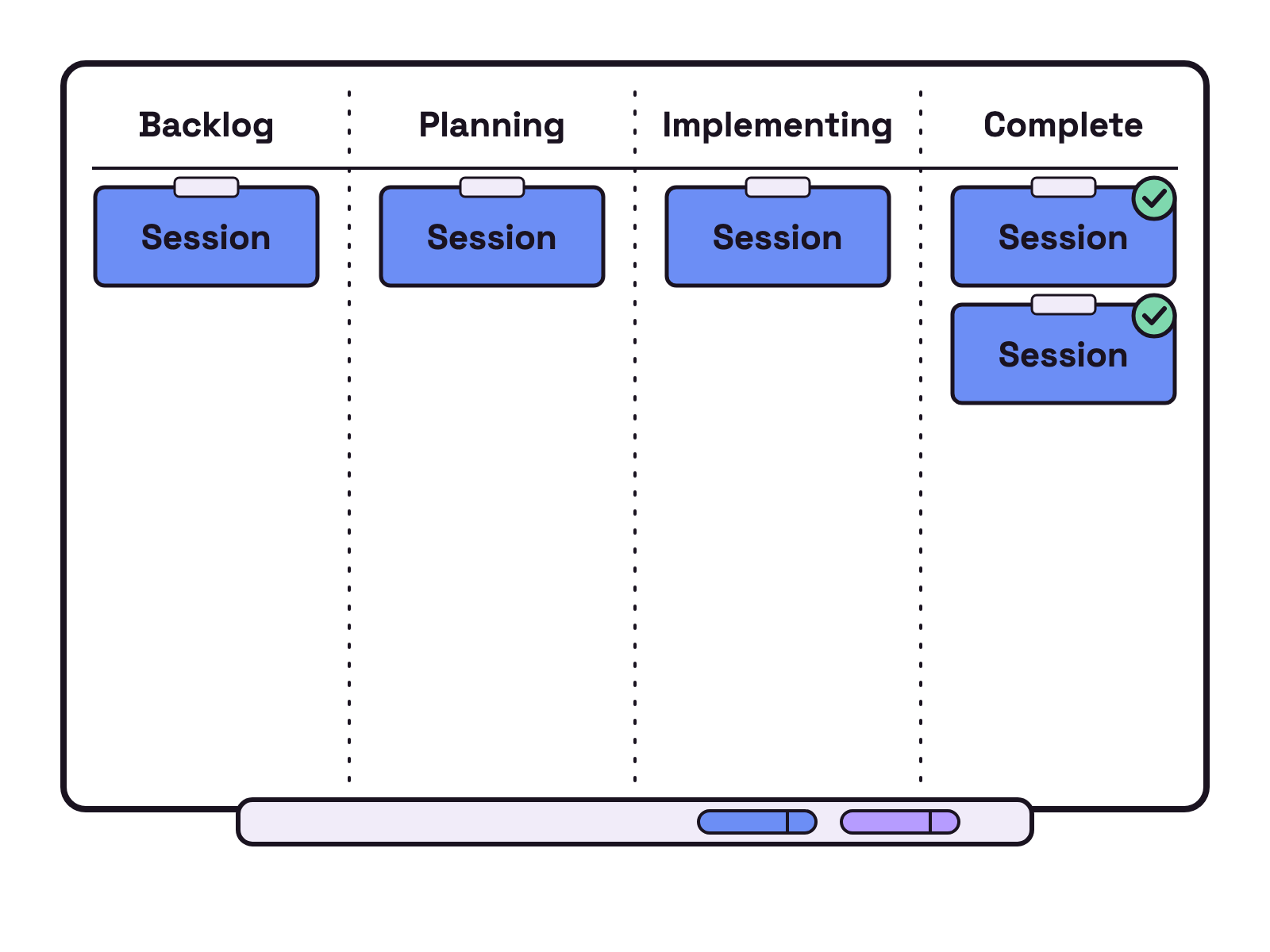
The session kanban puts every agent session on one board, sorted by phase. The home page lists backlog, planning, implementing and complete. Its editors cover markdown, mockups, Mermaid, Excalidraw, CSV, data models and code, and the README says you “accept or reject each one” of the agent’s proposed edits.
How much does Nimbalyst cost, and is it open source?
Individual is $0 and Teams is $20 per user per month, per the pricing page read 14 Nov 2026, which adds “Teams is in Beta right now and free to use while it is”. The home page says “The desktop and iOS apps are MIT licensed.” The repo showed 2,070 stars on 14 Nov 2026, and v0.83.0 came out on 10 Nov 2026.
Why look for a Nimbalyst alternative?
Our view: for wider agent support or a team price that holds after the beta. Its home page says “We are all managers of agents”, and its docs mark Agent Teams, where one session can “spawn parallel teammate agents”, as experimental. Otherwise, this list is for people comparing tools like Nimbalyst before they pick.
What are the best Nimbalyst alternatives?
Five tools. As of 14 Nov 2026, each had a release or commit in the previous 30 days. Conductor is linked, not picked: its announcement says “Conductor is joining Meta” and now adds “We’ll still be developing Conductor.” See our Conductor alternatives.
| Tool | What it is | Platforms | Open source, licence | Price, 14 Nov 2026 |
|---|---|---|---|---|
| Orca | Parallel agents in worktrees | macOS, Windows, Linux; iOS, Android | Yes, MIT | Free. |
| Munder Difflin | A team of AI agents for knowledge work | Desktop app; Cloud Office | Yes, MIT | Desktop app free and open source. |
| T3 Code | One interface for your local agents | macOS, Windows, Linux; web; iOS, Android | Yes, MIT | Free. |
| Paradev | CLI agents in parallel | macOS; Linux experimental | Yes, MIT | Free; Pro $20 per user a month (14 Nov 2026). |
| Emdash Classic | One Git worktree per task | macOS, Windows, Linux | Yes, Apache 2.0 | No price listed. |
1. Orca: the closest match to Nimbalyst
Orca runs Claude Code, Codex and other agents in parallel, each in its own worktree. Its README, read 14 Nov 2026, says “See your GitHub and Linear tasks in one place, and start a workspace for each when you’re ready to build.” Hand one agent a big task and “It splits the work, starts worker agents in their own workspaces, and brings their results back to you.” Its home page says “Free and open source.” v1.4.258 came out on 13 Nov 2026. We think it suits developers who want a lead agent; see Orca vs Munder Difflin.
2. Munder Difflin: a team of AI agents for all kinds of knowledge work
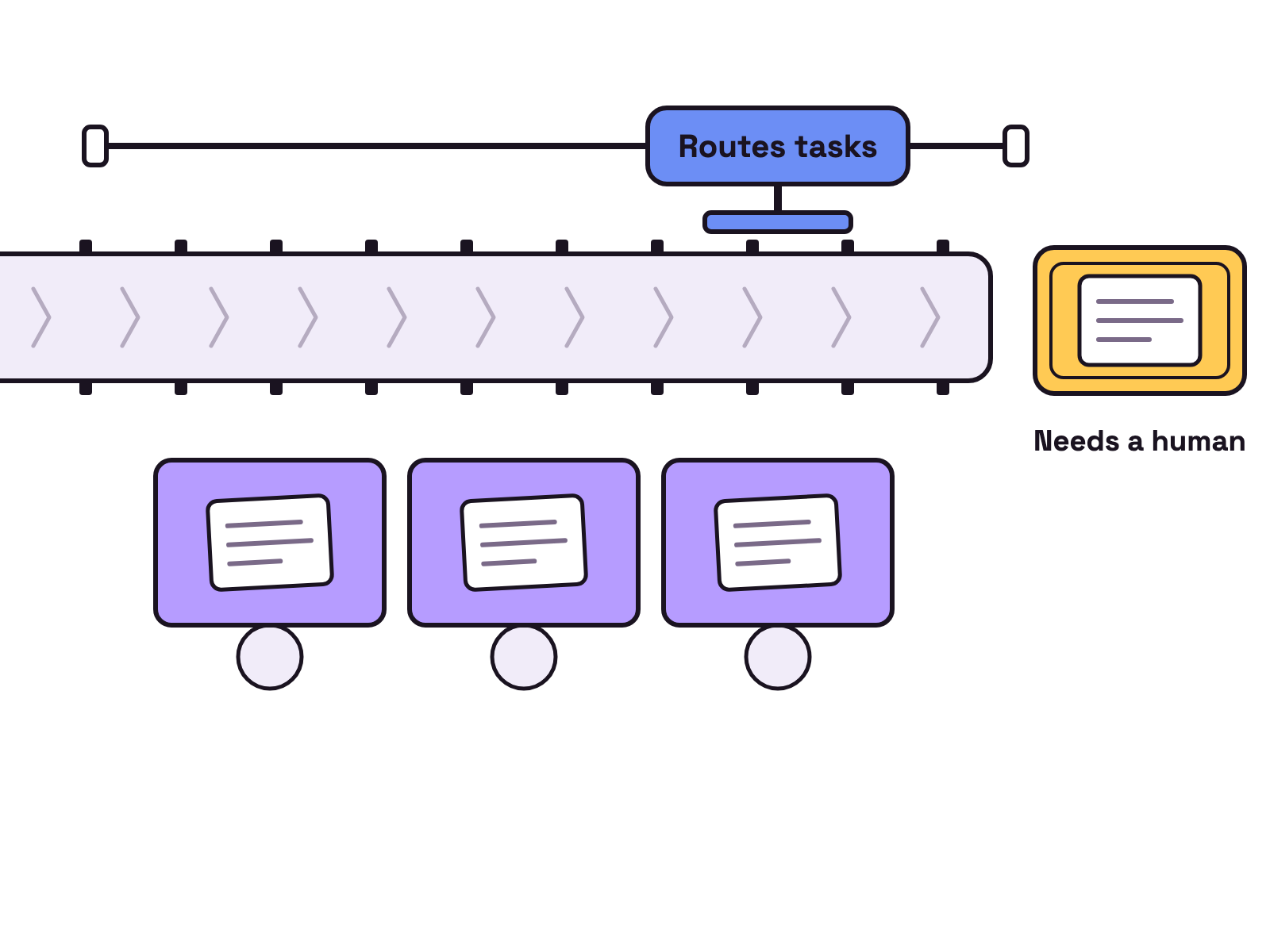
Munder Difflin runs a team of AI agents for all kinds of knowledge work, coding included. Its README, read 14 Nov 2026, describes “A GOD orchestrator you talk to. It routes tasks, adjudicates traffic, and escalates only what needs a human.” Its Command Center has “Kanban tasks with dependencies”. Send it work from Slack or a webhook, and give agents MCP servers, skills and plugins. The Cloud Office runs your agents in the cloud, always on, so work goes on with your computer off. We think it suits anyone who wants several agents on research, writing, ops and code at once; setup is in how to install and use Munder Difflin.
3. T3 Code: steer agents from your phone
T3 Code drives the agents already on your machine from one interface. Its README, read 14 Nov 2026, says “Start a thread at your desk, then approve the next step from your phone.” It works with Claude Code, Codex, Cursor, OpenCode and more, with iOS and Android apps. Its home page says “T3 Code is free, open source and fast.” v0.1.9 came out on 11 Nov 2026. We think it suits people who want threads more than boards; see T3 Code alternatives.
4. Paradev: worktrees and Linear on a Mac
Paradev, formerly Superset, is a desktop app for running CLI coding agents in parallel. Its README, read 14 Nov 2026, says “Each task gets its own Git worktree, branch, and terminals” and “Windows is not yet available.” The pricing page listed Free at $0 and Pro at $20 per user a month on 14 Nov 2026, with Linear and Slack in Pro. Desktop v2.0.8 came out on 10 Nov 2026. We think it suits Mac users who start work from Linear; see Paradev alternatives.
5. Emdash Classic: open source, now on fixes
Emdash Classic is an Apache 2.0 desktop app where each task runs in its own Git worktree. Its README, read 14 Nov 2026, says “Bring the CLI agents you already use: Claude Code, Codex, OpenCode, Amp, and more.” The Classic page says it “keeps getting fixes, but new development has moved to Emdash 2.0”. v1.2.11 came out on 6 Nov 2026. We think it suits people who want an open source app on any OS; see Emdash alternatives.
How to choose
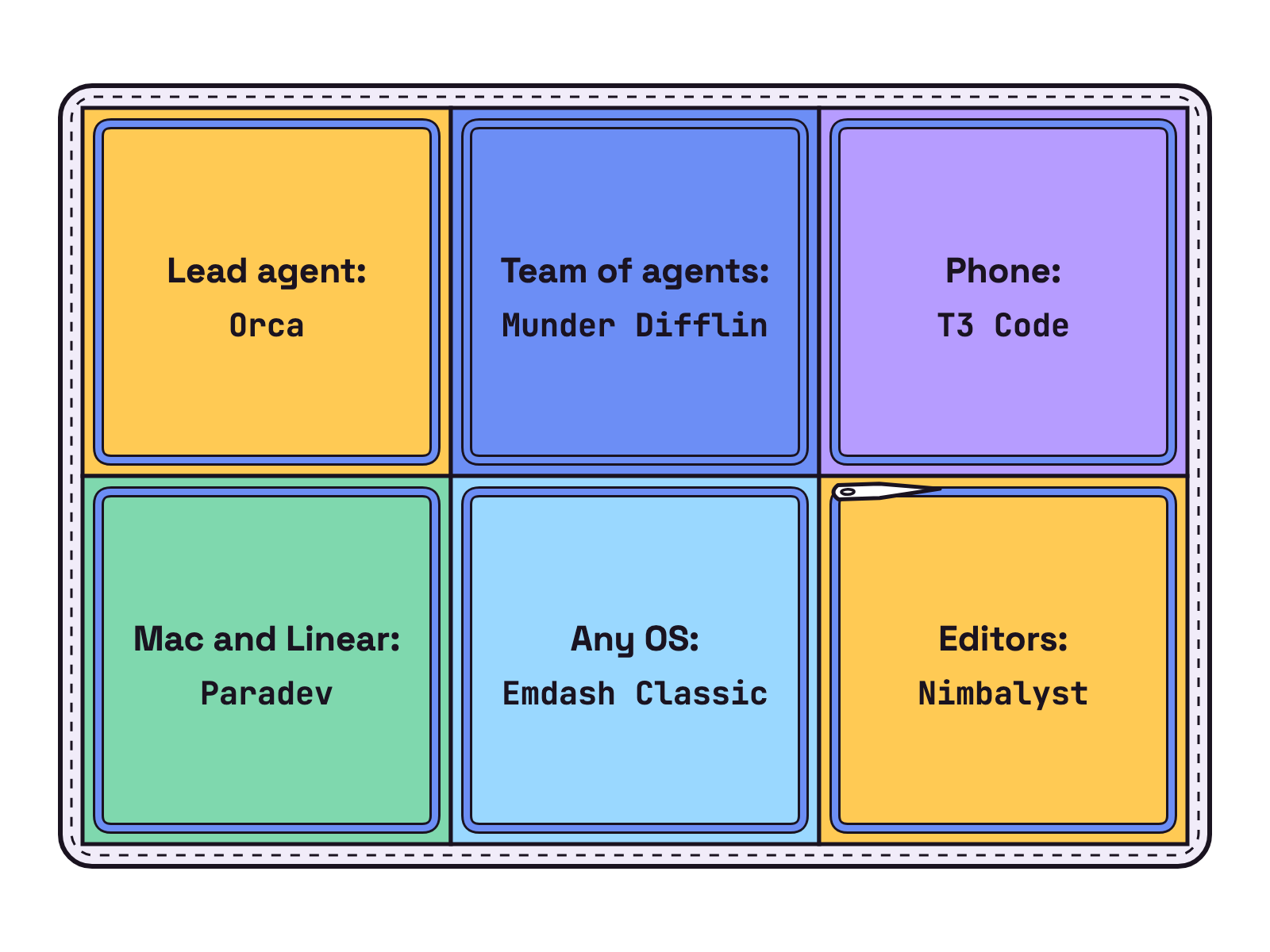
Pick by how you work with agents. Our view:
- Orca for parallel sessions with a lead agent.
- Munder Difflin for a team of AI agents for all kinds of knowledge work, on your computer or in the Cloud Office.
- T3 Code to steer agents from your phone.
- Paradev on a Mac, with tasks from Linear.
- Emdash Classic for Apache 2.0 on any OS.
- Nimbalyst itself for editors beside your sessions. No shame in staying put.
FAQ
What is Nimbalyst?
Nimbalyst is a desktop workspace that wraps Codex and Claude Code sessions with visual editors, a session kanban and task tracking. Its README, read 14 Nov 2026, calls it an "Open-source visual workspace for building with Codex, Claude Code, OpenCode, and other coding agents." It replaced Crystal, an older app for parallel AI sessions.
How much does Nimbalyst cost?
Individual is $0 on its pricing page, read 14 Nov 2026. Teams is $20 per user per month or $200 per user per year, and it is free while Teams is in beta.
Is Nimbalyst open source?
Yes. Its home page, read 14 Nov 2026, says "The desktop and iOS apps are MIT licensed." The code is on GitHub at Nimbalyst/nimbalyst.
What is the closest Nimbalyst alternative?
Our view: Orca. It is a free, MIT licensed desktop app that runs Claude Code, Codex and other agents in parallel, each in its own worktree, with GitHub and Linear tasks in one place. Munder Difflin is the pick for a team of AI agents for all kinds of knowledge work, on your computer or in the Cloud Office.
Does Nimbalyst run on Windows and Linux?
Yes. Its README, read 14 Nov 2026, lists downloads for macOS, Windows and Linux, and describes an iOS companion app.