When Do AI Agents Actually Need an Agent Protocol?
When do AI agents need a protocol like MCP or A2A? Agents you own coordinate fine with file mailboxes; protocols earn their keep across boundaries.
Open agent protocols — MCP (agent-to-tools) and A2A (agent-to-agent), both now under the Linux Foundation — are powerful, but not every multi-agent system needs them. The dividing line is a boundary: agents you own, on one framework, on one machine can coordinate with simple file mailboxes — faster, fully auditable, zero protocol overhead. You reach for a standard protocol when you cross a boundary: another org's agents, another vendor's framework, a network you don't control. Use the boundary test before adding the complexity.
2025 and 2026 gave the agent world real plumbing: open protocols for how agents talk to tools and to each other, with vendor-neutral governance behind them. That’s genuinely good news. It also prompts a fair question for anyone building a multi-agent system: do I need to adopt these? The honest answer is often “not yet” — and knowing when you do is worth more than adopting on reflex. Here’s the dividing line.
What an agent protocol actually buys you
Two open standards do most of the work, and they solve different problems:
- MCP (the Model Context Protocol) standardizes how an agent reaches tools and data. Anthropic introduced it and donated it to the Agentic AI Foundation under the Linux Foundation in December 2025.
- A2A (Agent2Agent) standardizes how separate agents discover each other and collaborate across frameworks and vendors. Google created it and donated it to the Linux Foundation, which launched the project in mid-2025.
Notice the shared word in both pitches: across. The value a protocol adds is interoperability across something — across tool vendors, across agent frameworks, across organizations. That’s the lens for deciding whether you need one.
When you don’t need one: the co-located hive
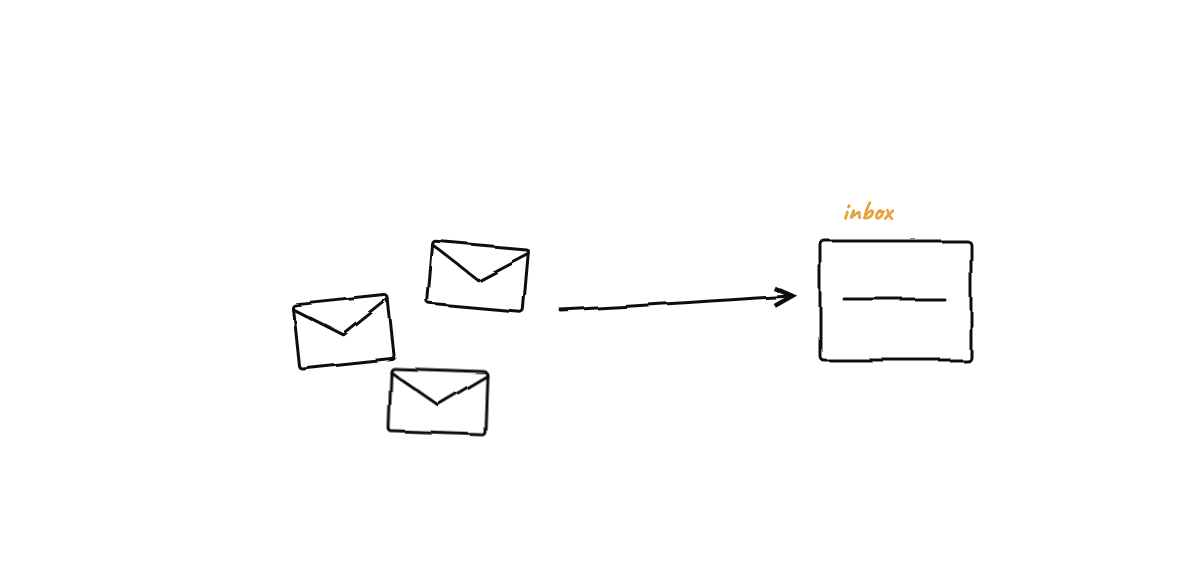
If your agents are yours — same framework, same machine, one team’s control — a standardized agent protocol is usually solving a problem you don’t have. Inside a local-first hive, agents coordinate through file-based mailboxes: each writes a message to its outbox, a router delivers it to the recipient’s inbox, and the whole exchange is durable and auditable because it’s just files. There’s no discovery problem (you know every agent), no cross-vendor envelope to negotiate, no network in the middle.
For that setup, the in-house approach actually wins on the things that matter: it’s lower latency (local file operations, no protocol handshakes), simpler to debug (read the files), and fully under your audit. Adopting A2A to let two agents in the same process “discover” each other would be ceremony around a problem you’ve already solved. This is the same reason coordinating co-located agents rarely starts with a protocol — it starts with a shared directory.

When you do need one: crossing a boundary
The calculus flips the moment your agents stop being a closed, owned set. A protocol earns its keep when you cross a boundary:
- A vendor or framework boundary — your agent needs to collaborate with an agent built on a different stack. A2A gives them a shared language instead of a bespoke integration per pair.
- An organizational boundary — you want to expose an agent for other teams or companies to call, or consume someone else’s agent. Discovery and a standard envelope stop mattering when there’s only one of you; they’re essential when there are many.
- A tool boundary — your agent needs capabilities you didn’t build. That’s MCP’s job, and it’s worth adopting early because tools are exactly where you want to reach outside your own code. (In a hive, you can bring MCP servers and skills in without exposing anything else.)
The pattern: protocols are for reach beyond what you own. Inside what you own, simpler coordination is both sufficient and better.
The boundary test
Here’s the heuristic, in one question: are the agents on the same side of a trust-and-framework boundary?
- Same side (you built them, same stack, you can see them all) → in-house coordination — file mailboxes, a shared log, direct calls — is enough. Don’t add a protocol yet.
- Different sides (other vendors, other orgs, a network you don’t control) → adopt the standard. A2A for agent-to-agent reach, MCP for tool reach.
A concrete example makes the line obvious. A hive of agents reviewing your own codebase never needs A2A — they share a directory and a router, and discovery is meaningless when you already know every agent. But the moment you want that hive to hand a task to a partner company’s compliance agent, or to call a vendor’s specialized research agent, you’ve crossed an organizational boundary — and a shared protocol is what spares you a brittle, bespoke integration for every partner you add.
Most teams’ first multi-agent system lives entirely on the “same side.” Reach for the protocol when, and only when, you actually cross over — and notice the two boundaries can differ: you might want MCP for tools long before you ever need A2A for agents.
Build so you can speak them later
None of this is an argument against the protocols — it’s an argument against adopting them prematurely. The healthy position is to keep your coordination simple while it’s internal, and design so you can speak the open standards when a boundary appears. That’s the same “open protocols, local control plane” idea behind local-first vs cloud agent SDKs: keep the core local and simple, reach outward through standards when there’s a real outside to reach. Adopting a protocol should be a response to a boundary, not a default.
FAQ
Do all multi-agent systems need a protocol like A2A? No — co-located agents you own can coordinate with file mailboxes. Protocols matter when you cross a vendor, framework, or organizational boundary.
MCP vs A2A? MCP connects an agent to tools and data; A2A lets separate agents discover and collaborate. Both are open standards under the Linux Foundation.
When is the protocol worth it? When you expose your agent to others, consume a third party’s agent, or coordinate across different stacks and networks — i.e., when you cross a boundary.
Munder Difflin takes the “same side” path: a local hive whose agents coordinate through file mailboxes, simple and auditable, free to speak open protocols outward when a boundary appears. Download Munder Difflin to run a coordinated team of agents without protocol ceremony; it’s free and open source.
Sources: Anthropic — donating MCP to the Agentic AI Foundation; Linux Foundation — Agent2Agent protocol project.
FAQ
Do all multi-agent systems need an agent protocol like A2A?
No. Agent protocols standardize collaboration across boundaries — different vendors, frameworks, or organizations. If your agents are co-located, built on one framework, and owned by you, simpler in-house coordination like file mailboxes is usually faster, fully auditable, and protocol-free. You reach for a standard protocol when you cross a boundary.
What's the difference between MCP and A2A?
MCP (Model Context Protocol) standardizes how an agent connects to external tools and data. A2A (Agent2Agent) standardizes how separate agents discover one another and collaborate. Both are open standards now under the Linux Foundation. MCP is about reach to tools; A2A is about reach to other agents.
When is an agent protocol worth the complexity?
When you cross a trust, vendor, or framework boundary: exposing your agent for others to call, consuming a third party's agent, or coordinating agents built on different stacks over a network you don't fully control. Inside one owned, co-located hive, the protocol is usually overhead you don't need yet.