Treating a Hire Manifest as Untrusted Input
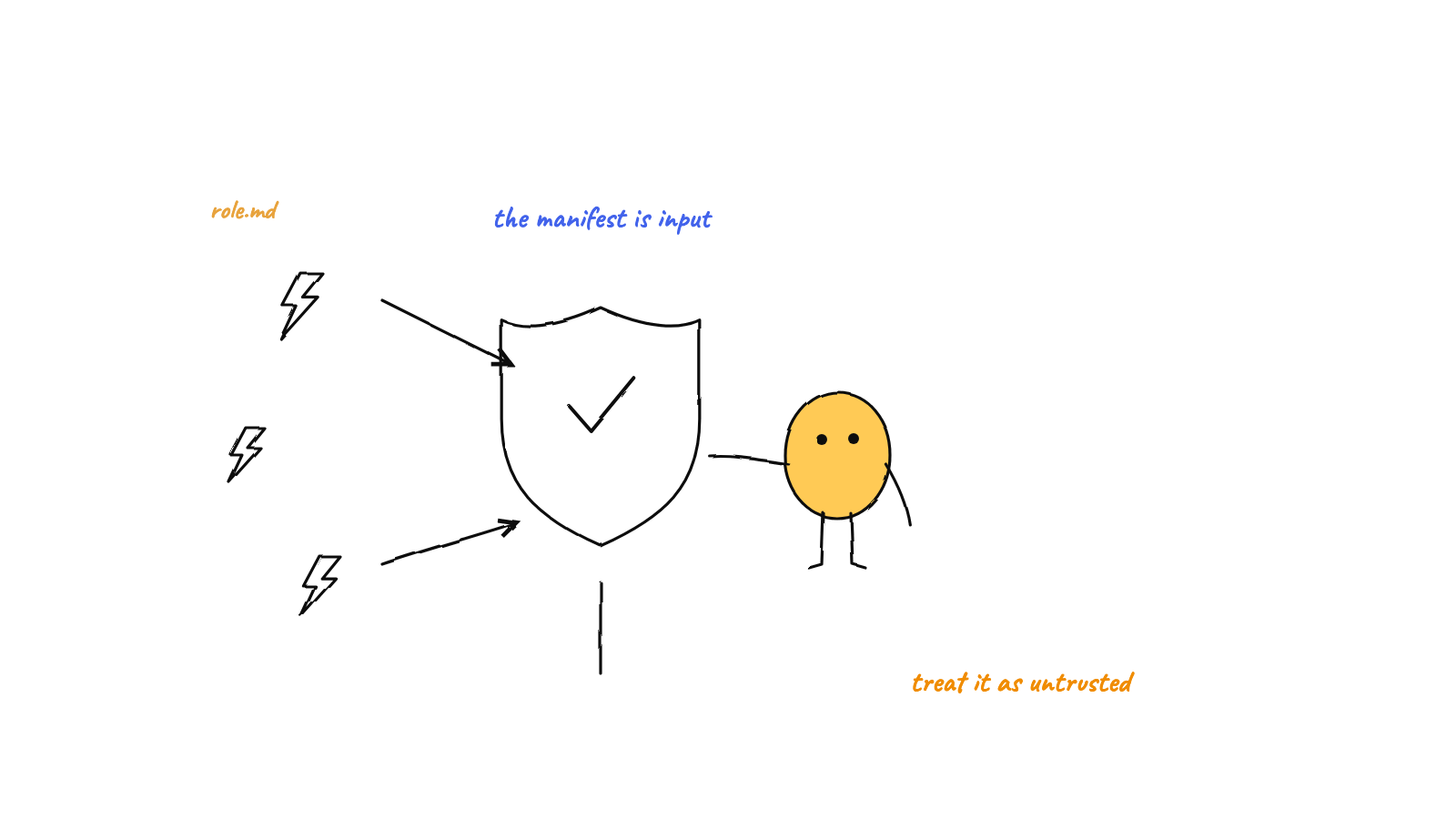
A shareable agent-config manifest is attacker input. How Munder Difflin's import pipeline stays inert: no auto-spawn, default-deny flags, and an SSRF-safe bounded fetch.
Tag
23 posts tagged Internals.
A shareable agent-config manifest is attacker input. How Munder Difflin's import pipeline stays inert: no auto-spawn, default-deny flags, and an SSRF-safe bounded fetch.
A comprehensive guide to every change in Munder Difflin v0.2.4 — how the Codex lifecycle-hook bridge achieves full hive parity, what the Schedules tab adds, why tunnelmole replaced localtunnel, and what else shipped.
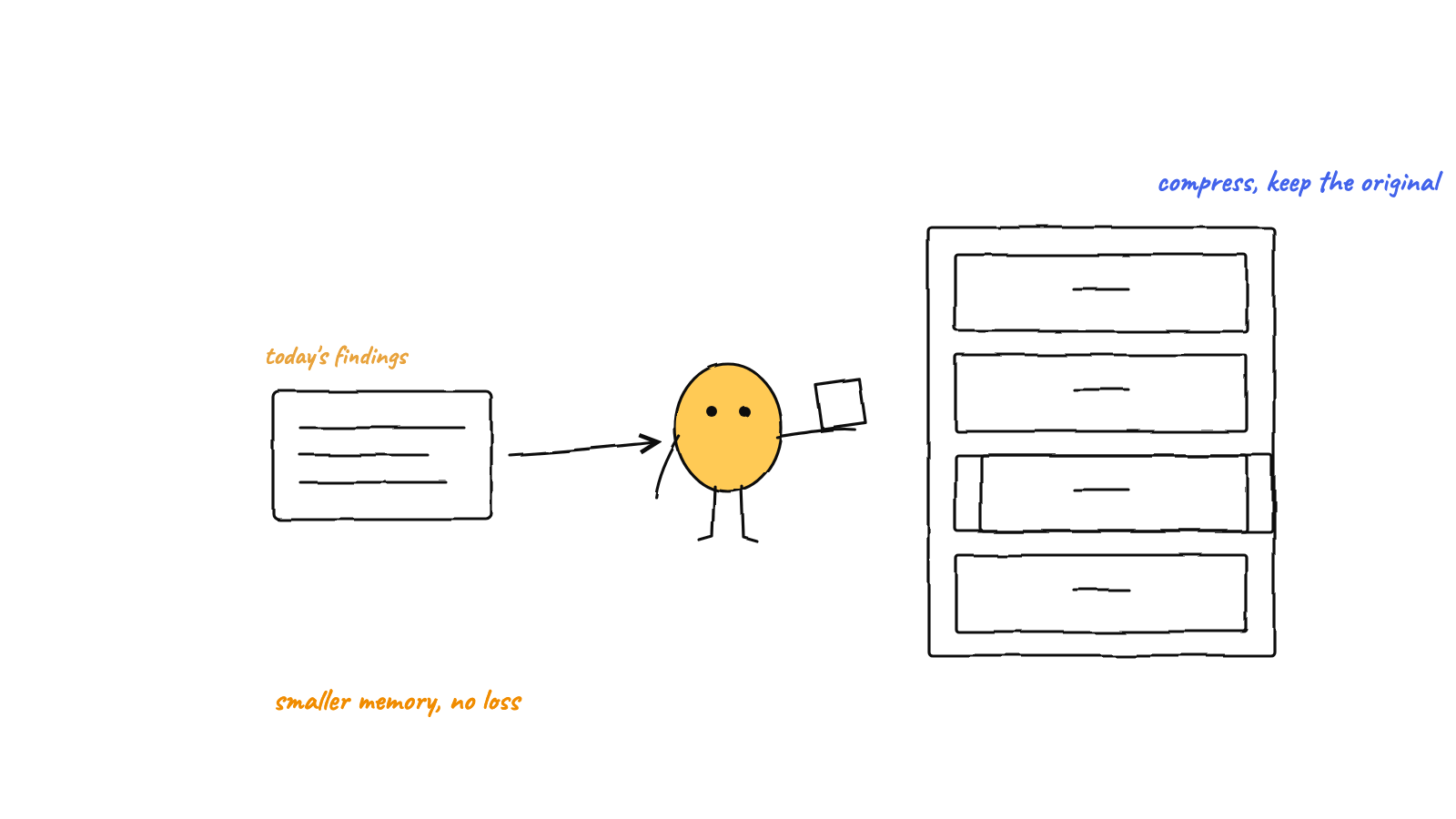
How and why to compress an agent's long-term memory: the toolbox, the lossy trap, and keeping a lossless original beside a compact copy.
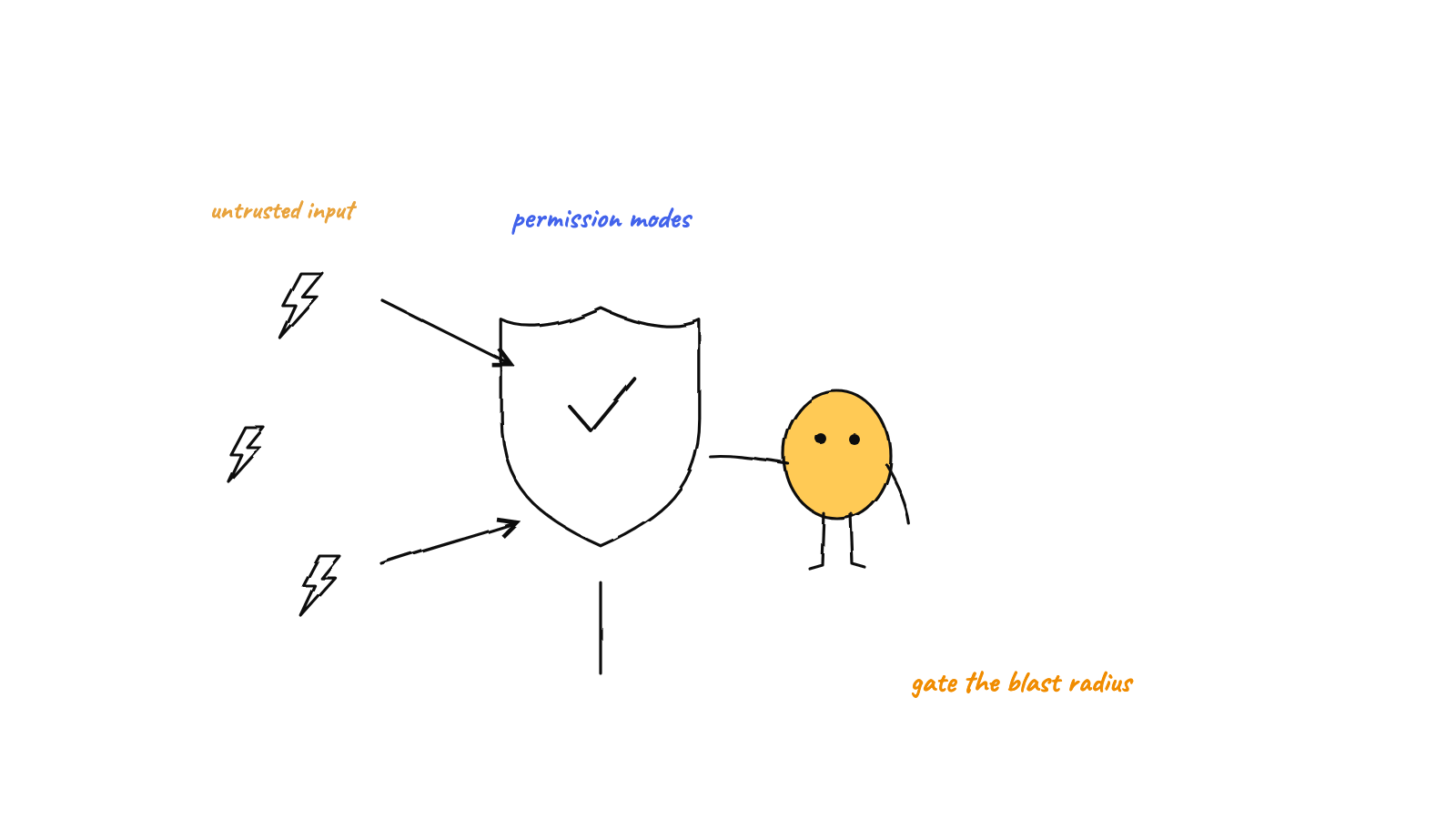
How to run autonomous AI agents safely: permission modes and the bypassPermissions foot-gun, workspace isolation, and what to gate vs. allow.
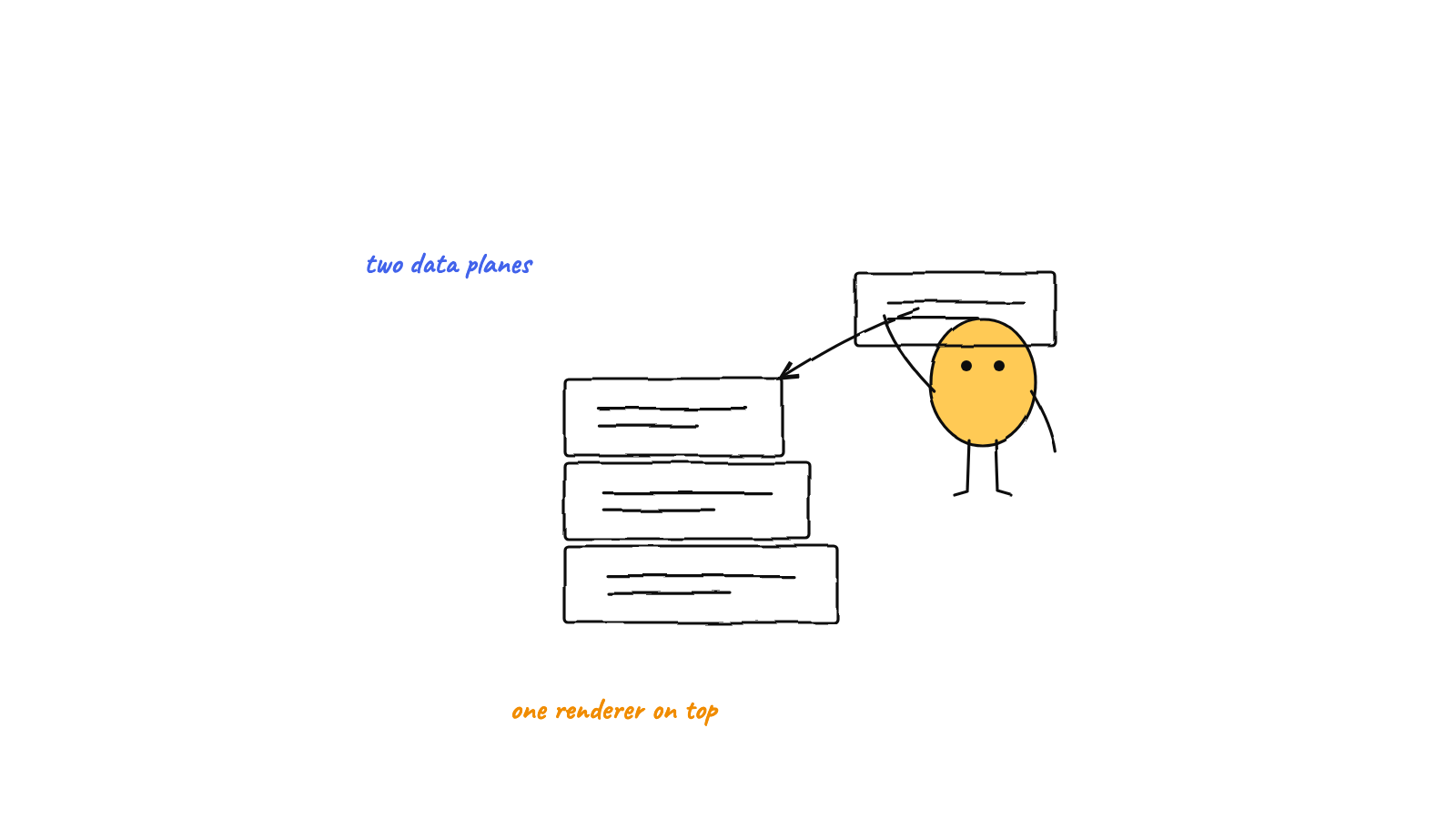
A walkthrough of the multi-agent harness architecture: a node-pty terminal plane and a hooks/hive event plane feeding one React + Pixi.js renderer.
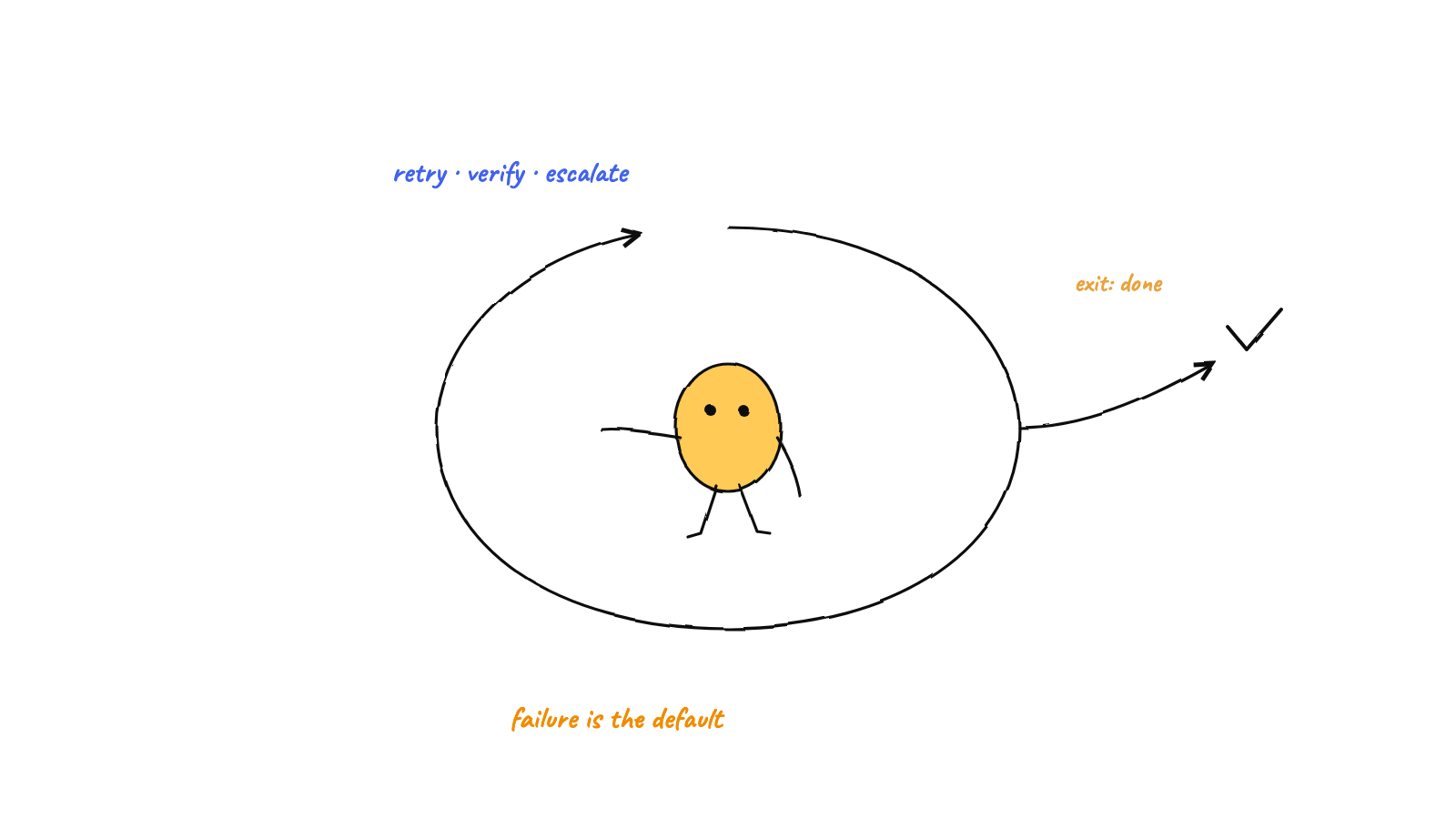
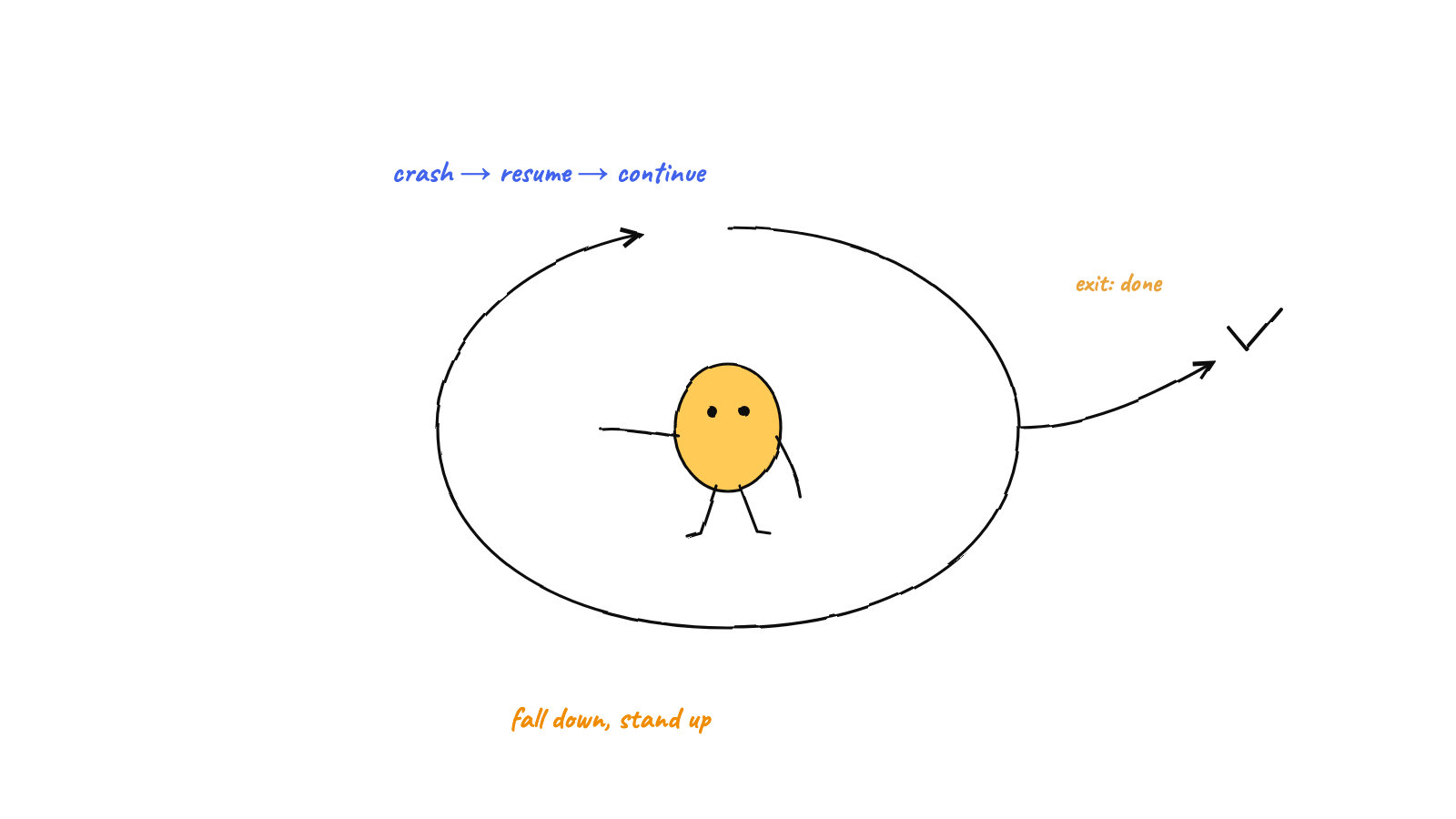
Agents fail constantly: tools error, steps stall, output goes wrong. Reliability isn't avoiding failure — it's making each one contained and recoverable.
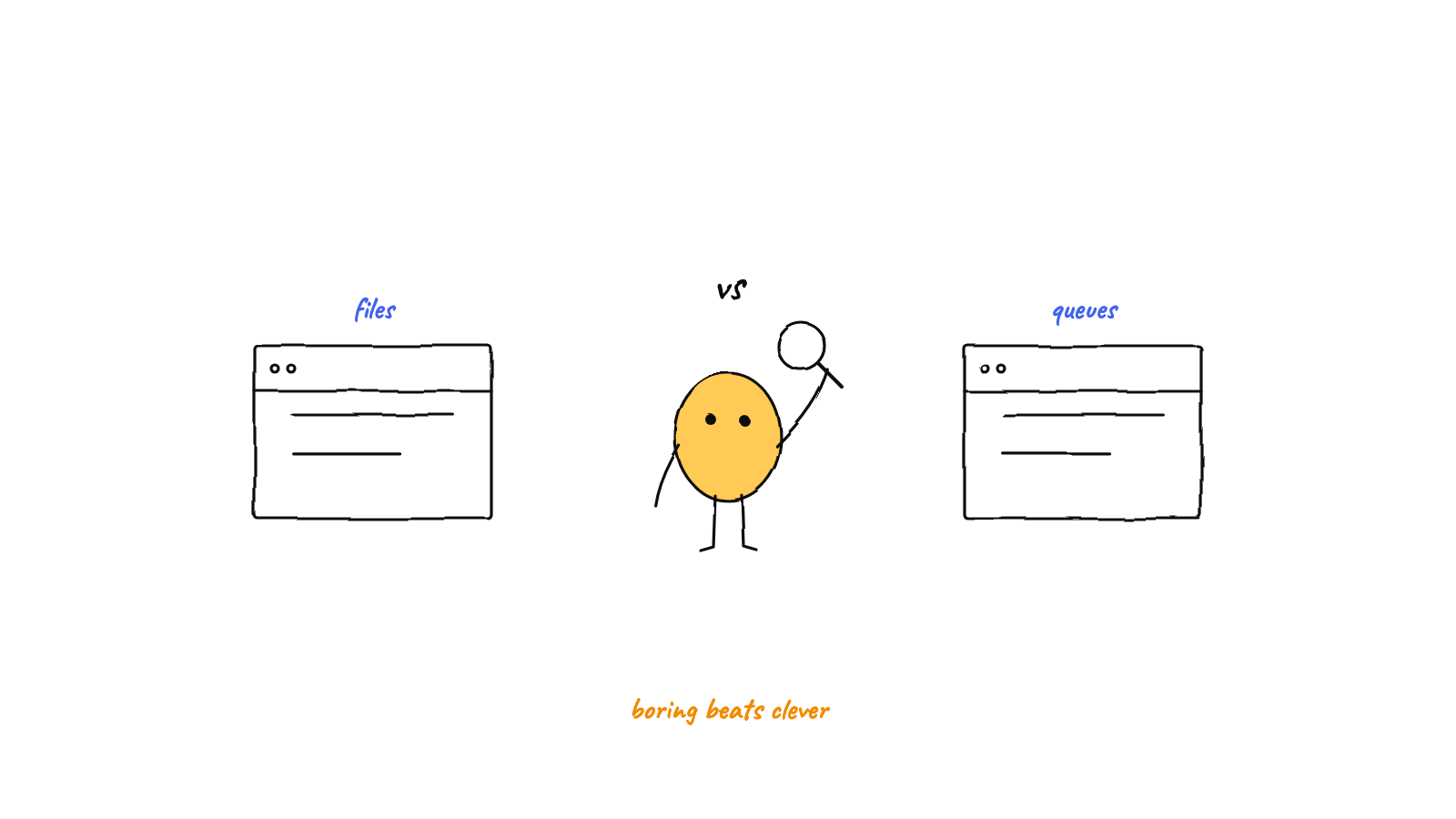
Why a local agent hive coordinates through plain files, not Redis or RabbitMQ: the zero-ops wins, the real tradeoffs, and where files hit a ceiling.
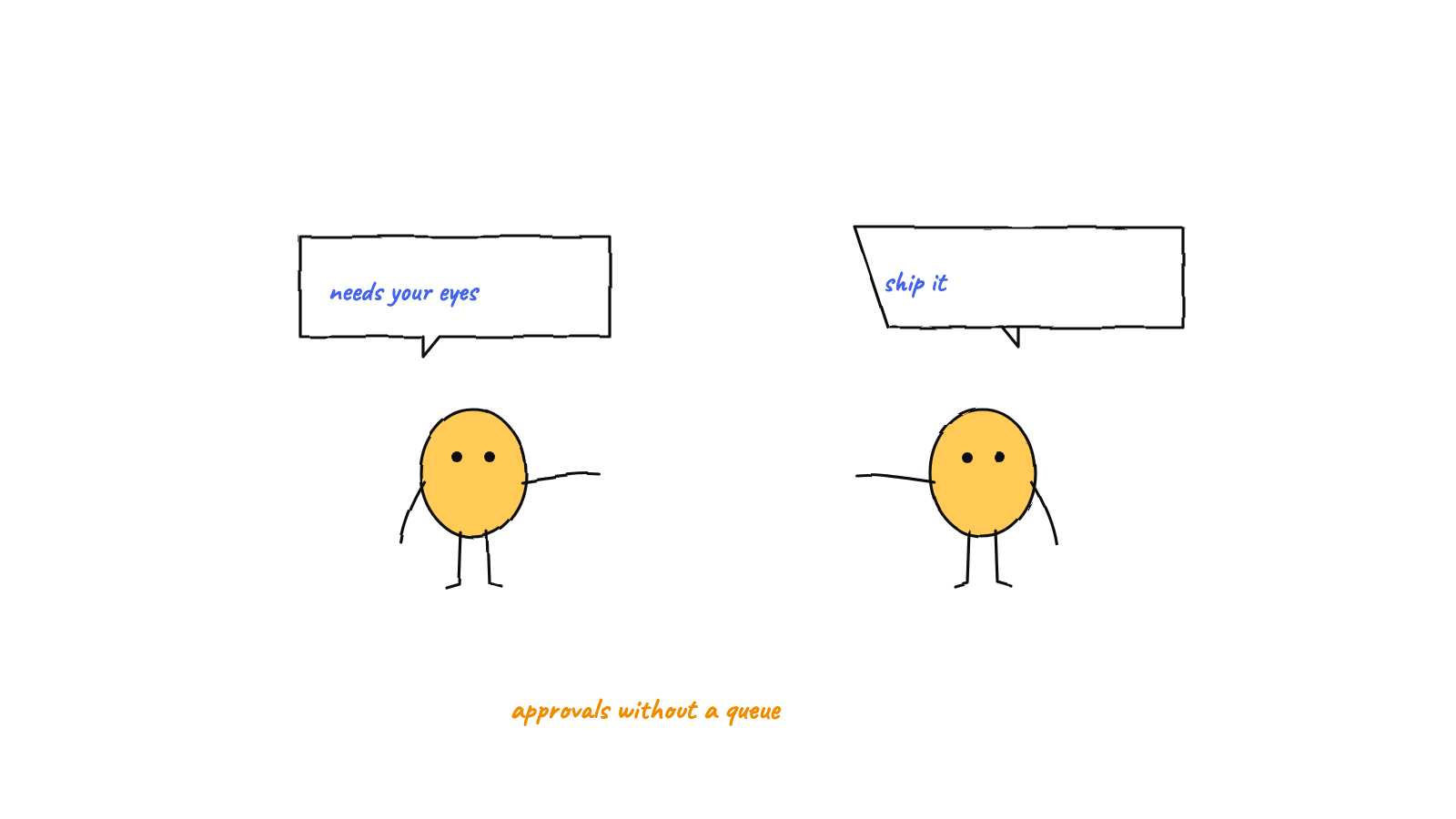
How to approve what AI agents do without a parallel approval queue: native permission prompts, routing 'to: human' to the orchestrator, remote approval.
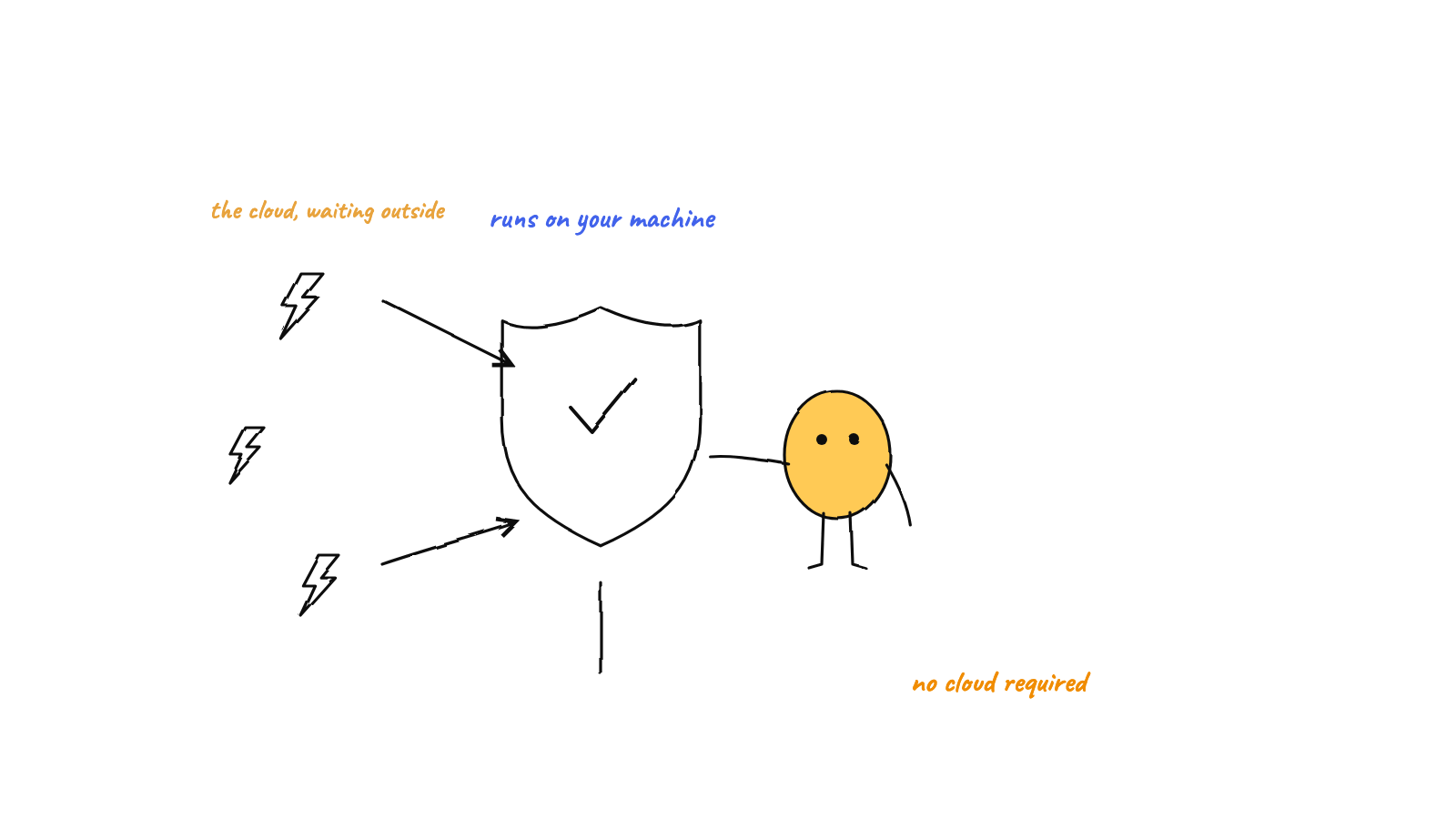
How local-first AI agent orchestration works under the hood — the loop, mailboxes, scheduler, and audit log that coordinate a hive on one machine.
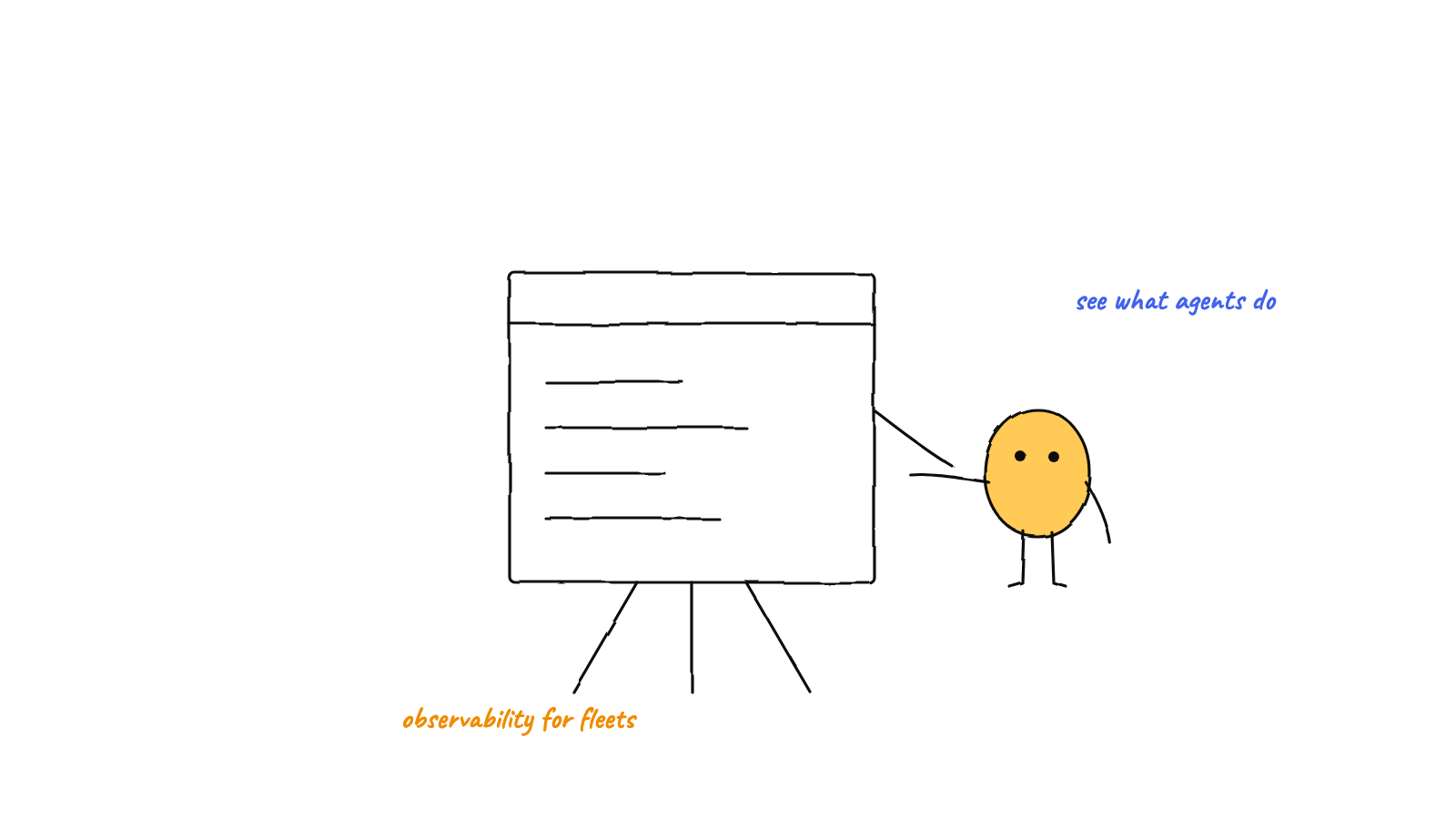
Agent fleet observability: the four questions your dashboard must answer about who's working, what they're doing, what it costs, and what they know.
How multi-agent systems survive partial failure: retry with stale-lock recovery, poison-message quarantine, hop-cap circuit breaking, idempotent handling.
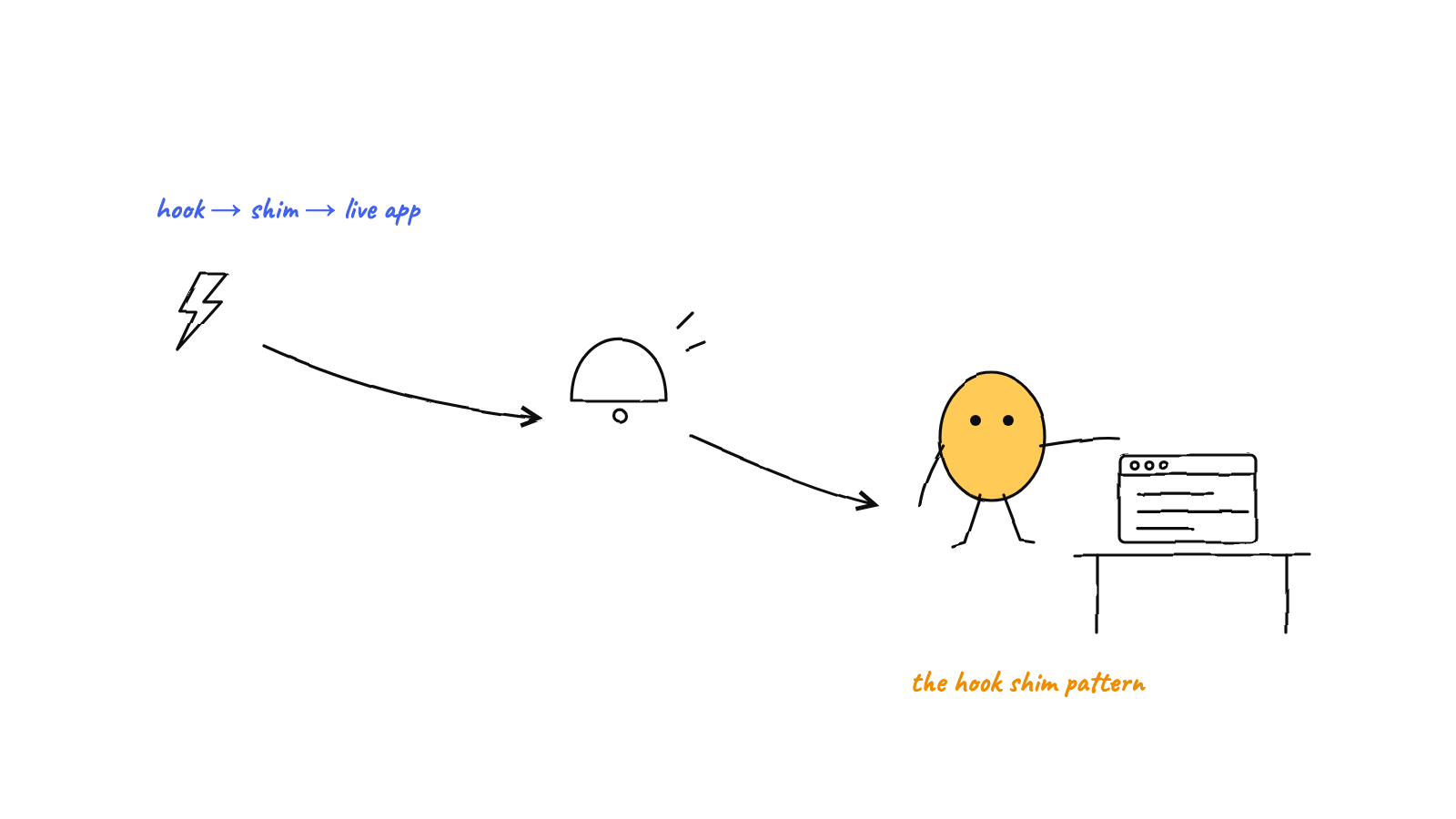
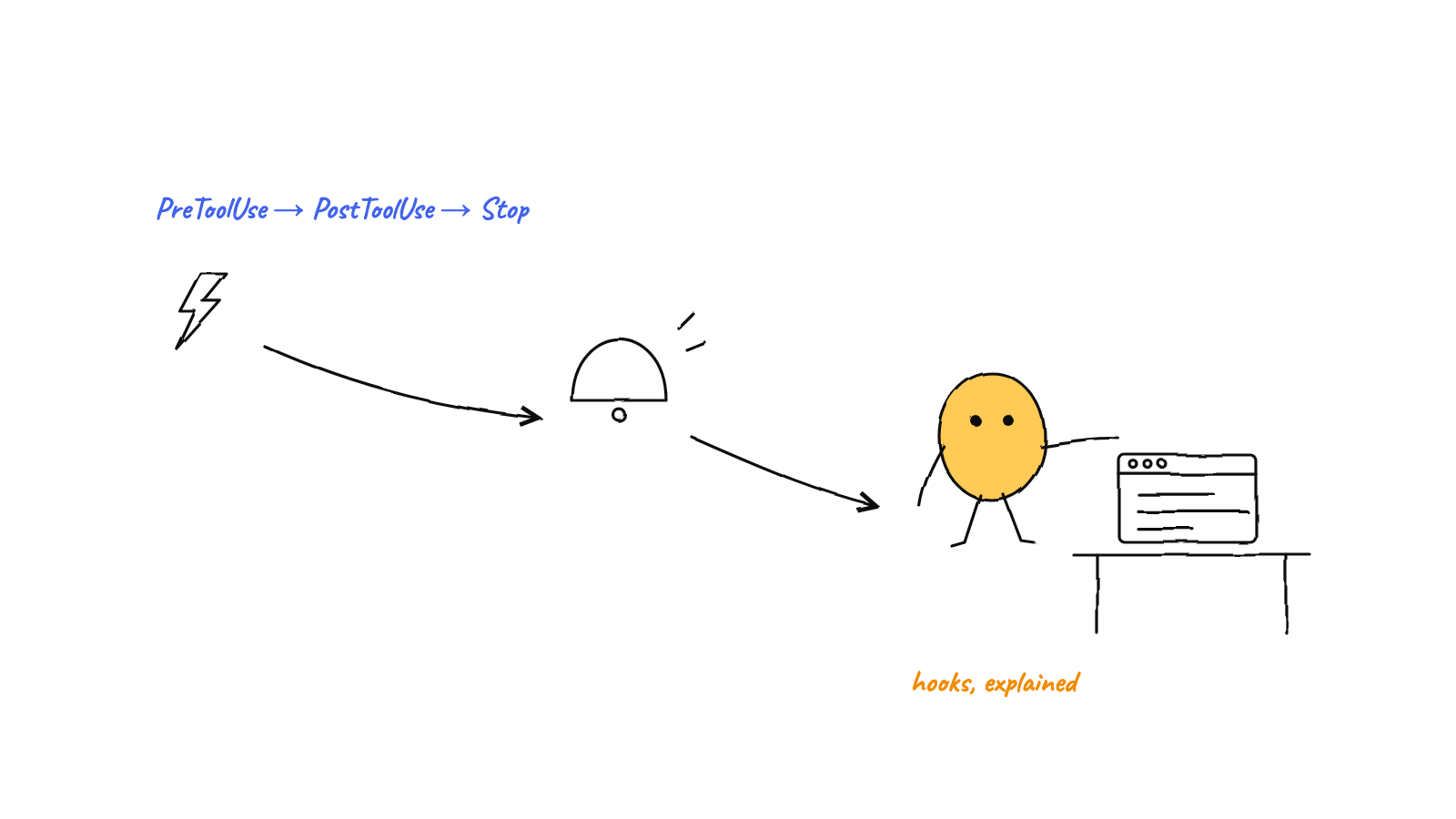
How a tiny shim bridges Claude Code's lifecycle hooks to one live process over a Unix socket, turning per-event hooks into a telemetry and control channel.
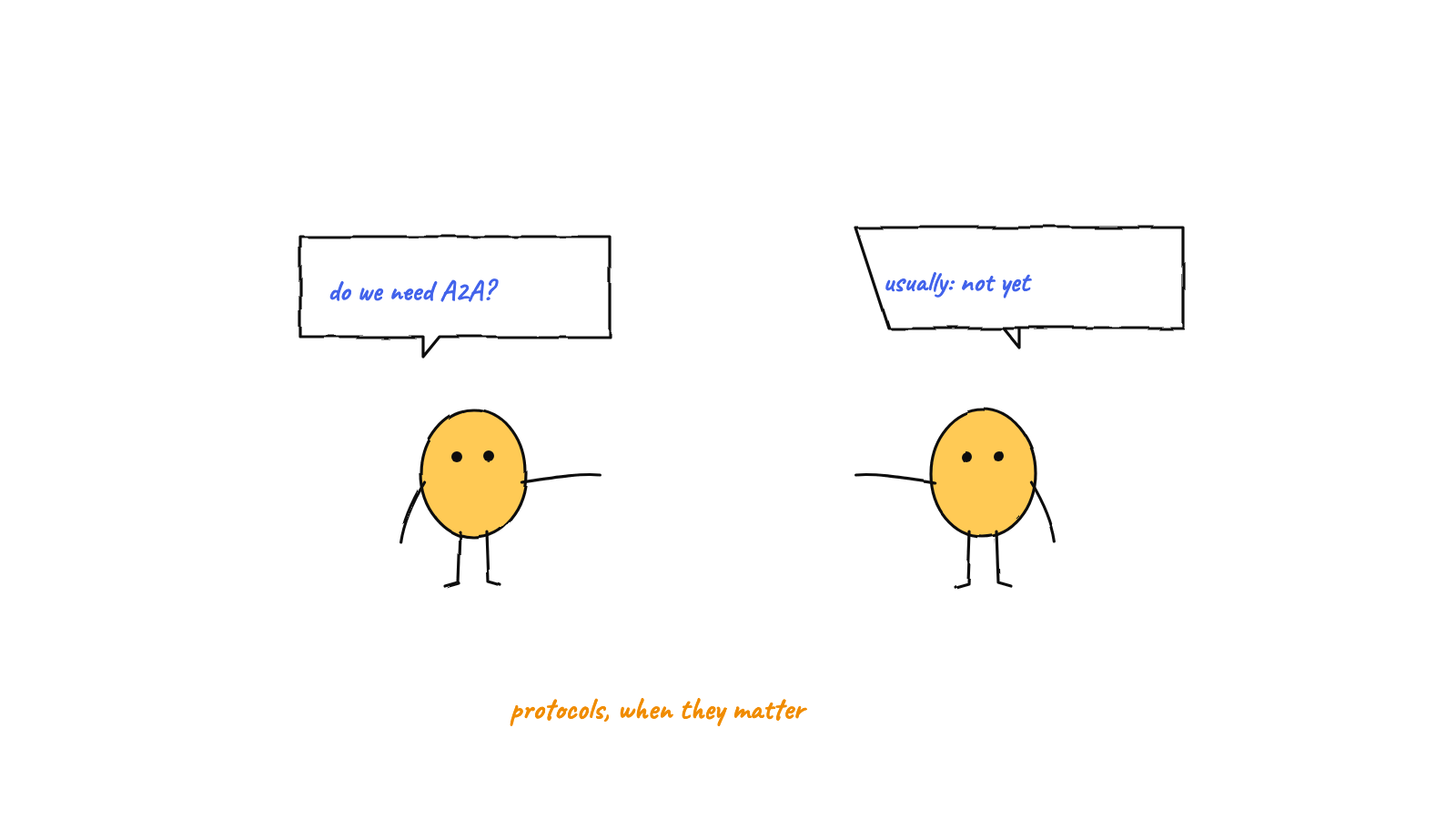
When do AI agents need a protocol like MCP or A2A? Agents you own coordinate fine with file mailboxes; protocols earn their keep across boundaries.
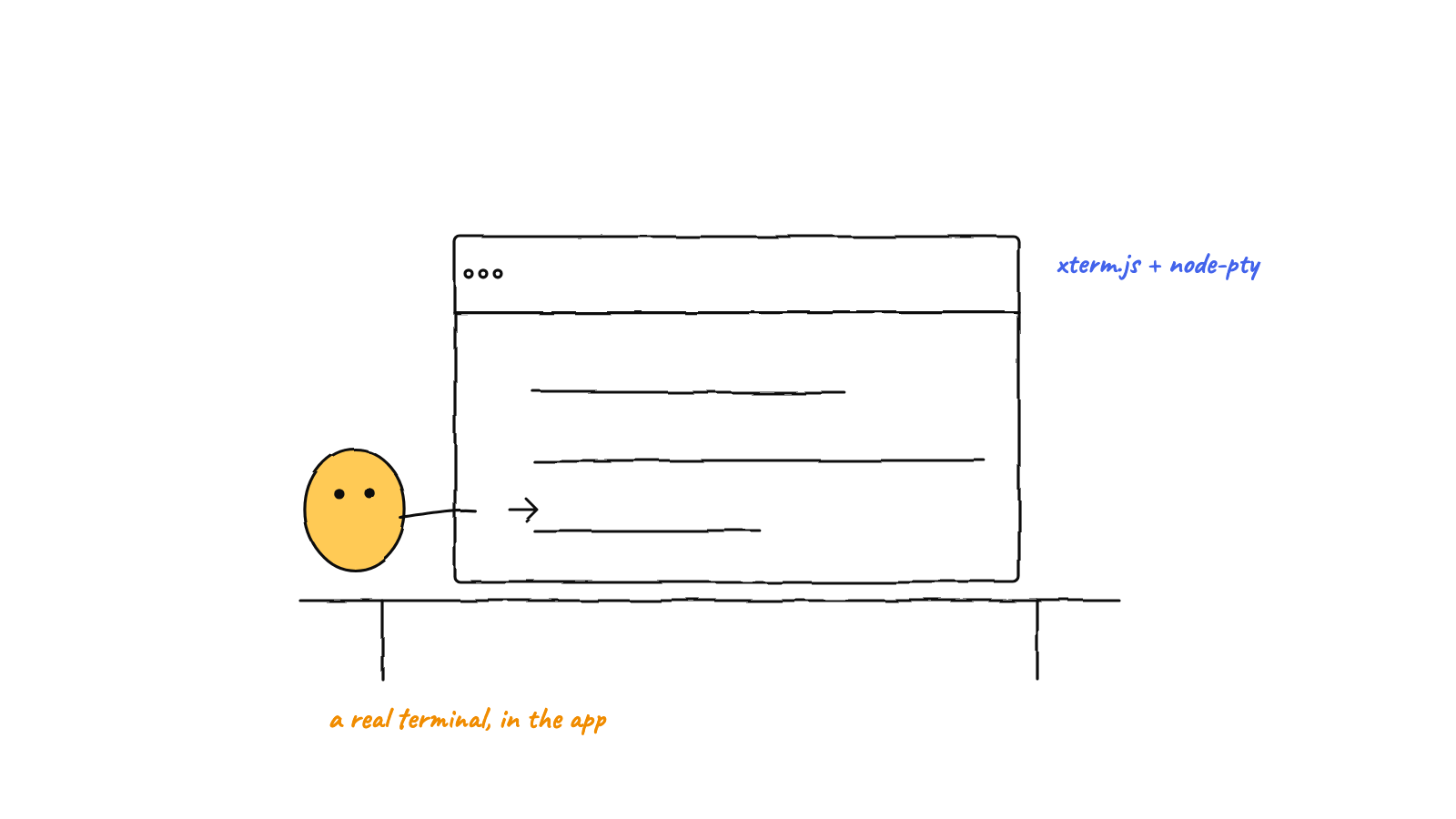
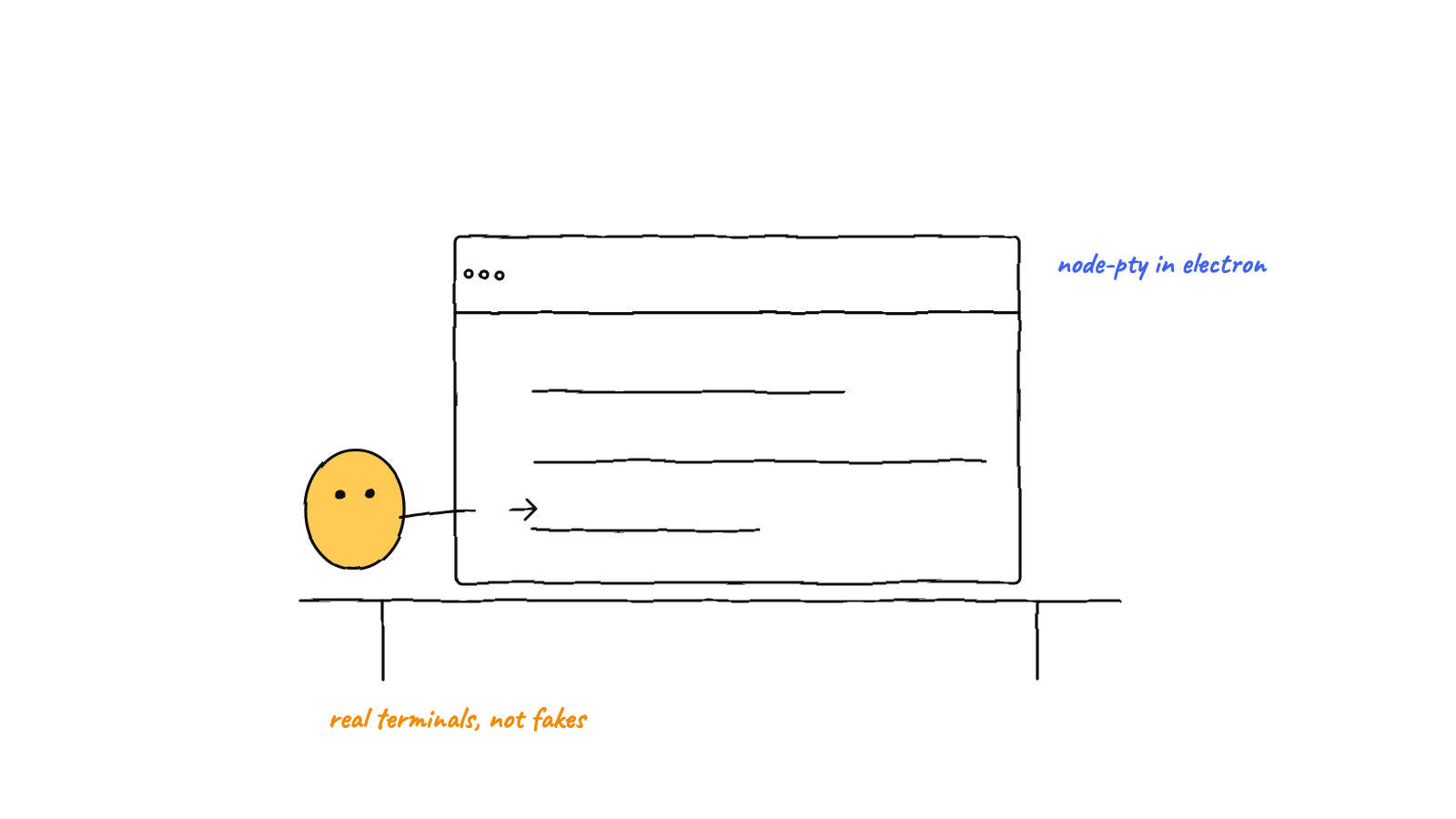
Wire xterm.js to a node-pty backend: stream output, write keystrokes back, handle resize, and keep many live terminals fast with a terminal pool.
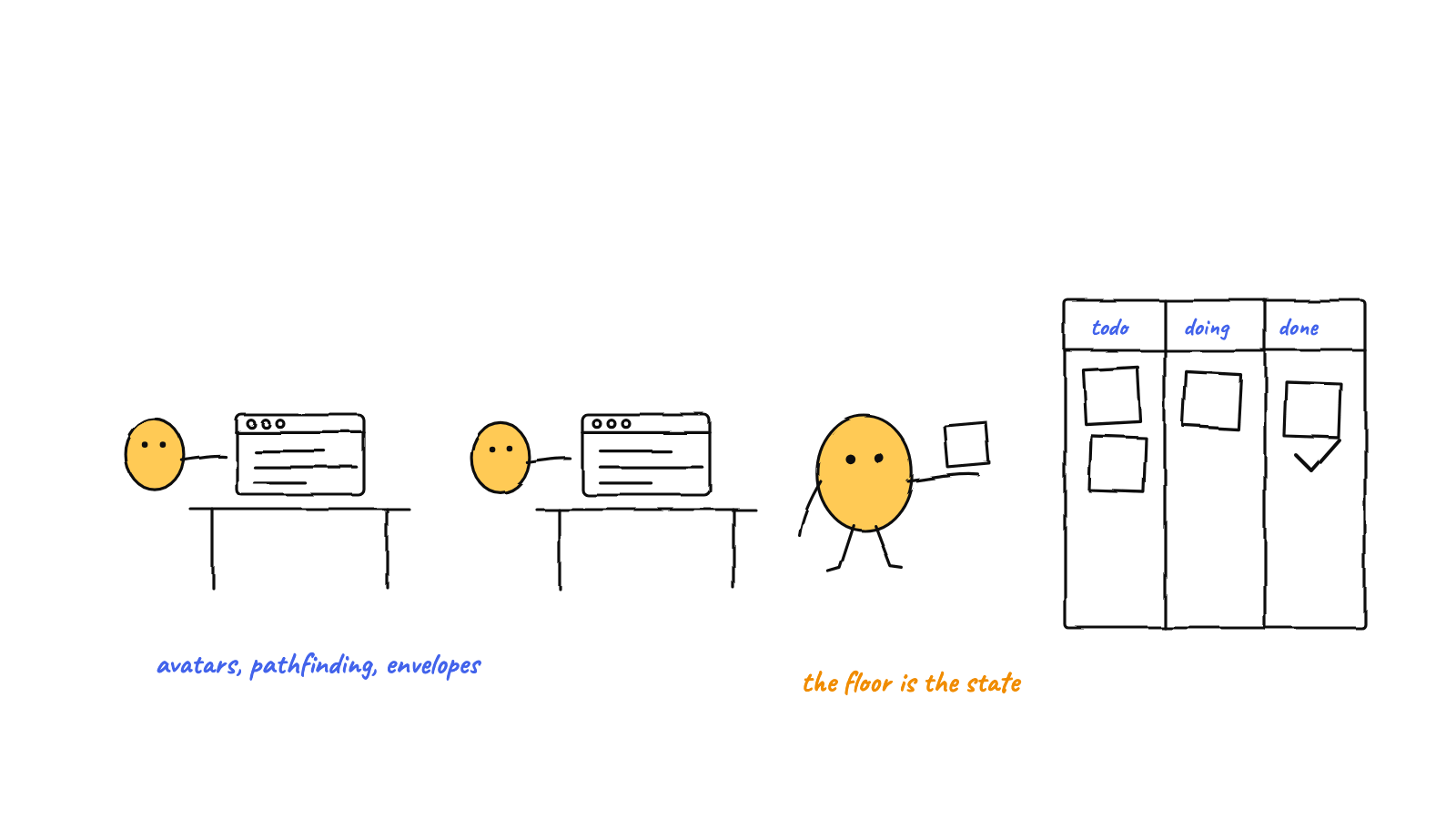
The game-dev techniques behind a dev tool's office floor: Tiled maps, BFS pathfinding, sprite recoloring, and flying message envelopes in Pixi.js.
A practical tour of Claude Code hooks — the PreToolUse, PostToolUse, and Stop lifecycle — and how a Unix-socket hook shim drives a live office floor.
How to run byte-for-byte authentic shells inside Electron with node-pty: the native-rebuild gotcha, the macOS PATH trap, and streaming PTY output over IPC.
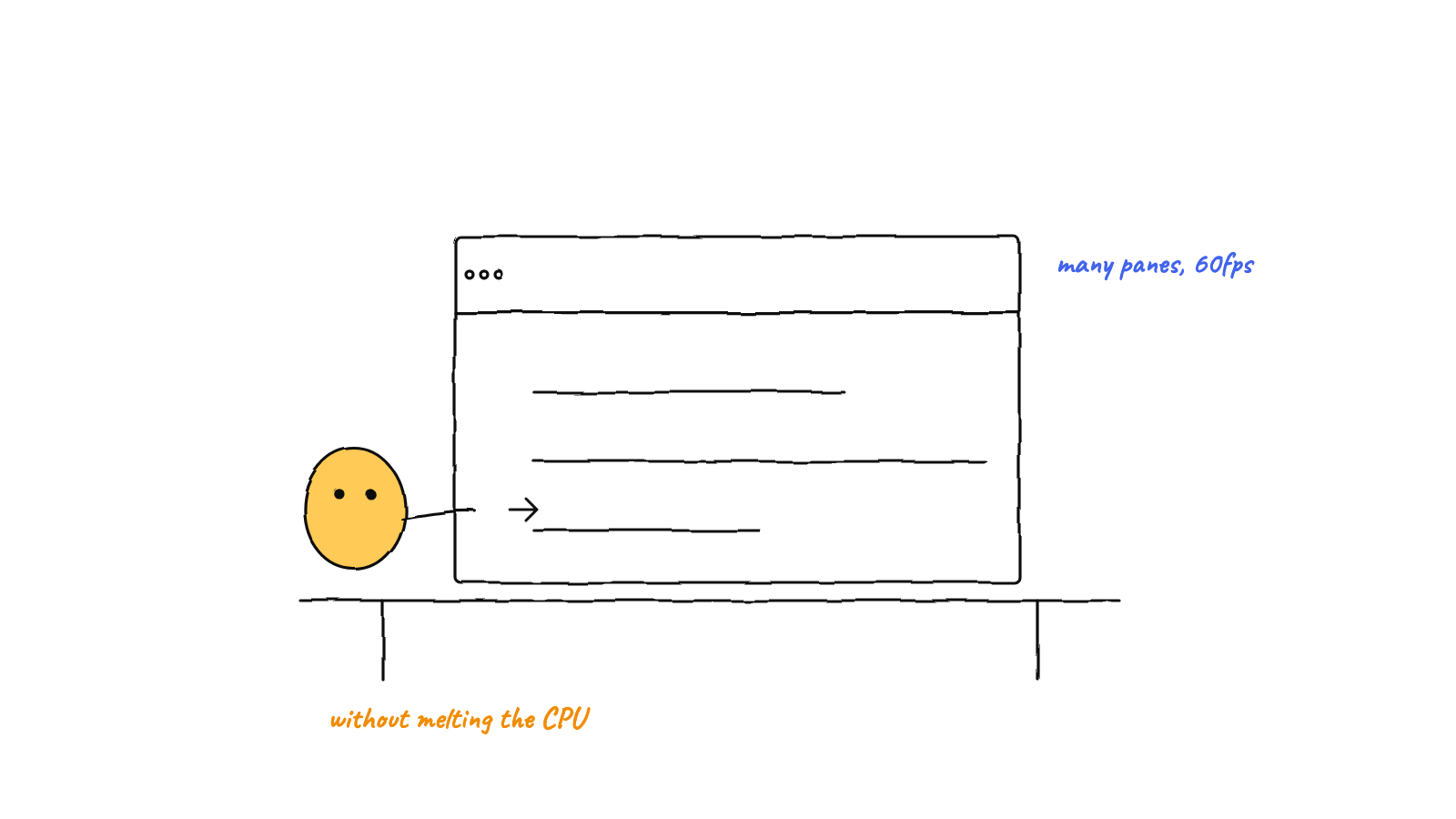
xterm.js performance for many live PTYs: a terminal pool, render-only-visible, smart scrollback, and accelerated rendering to stream dozens at once.
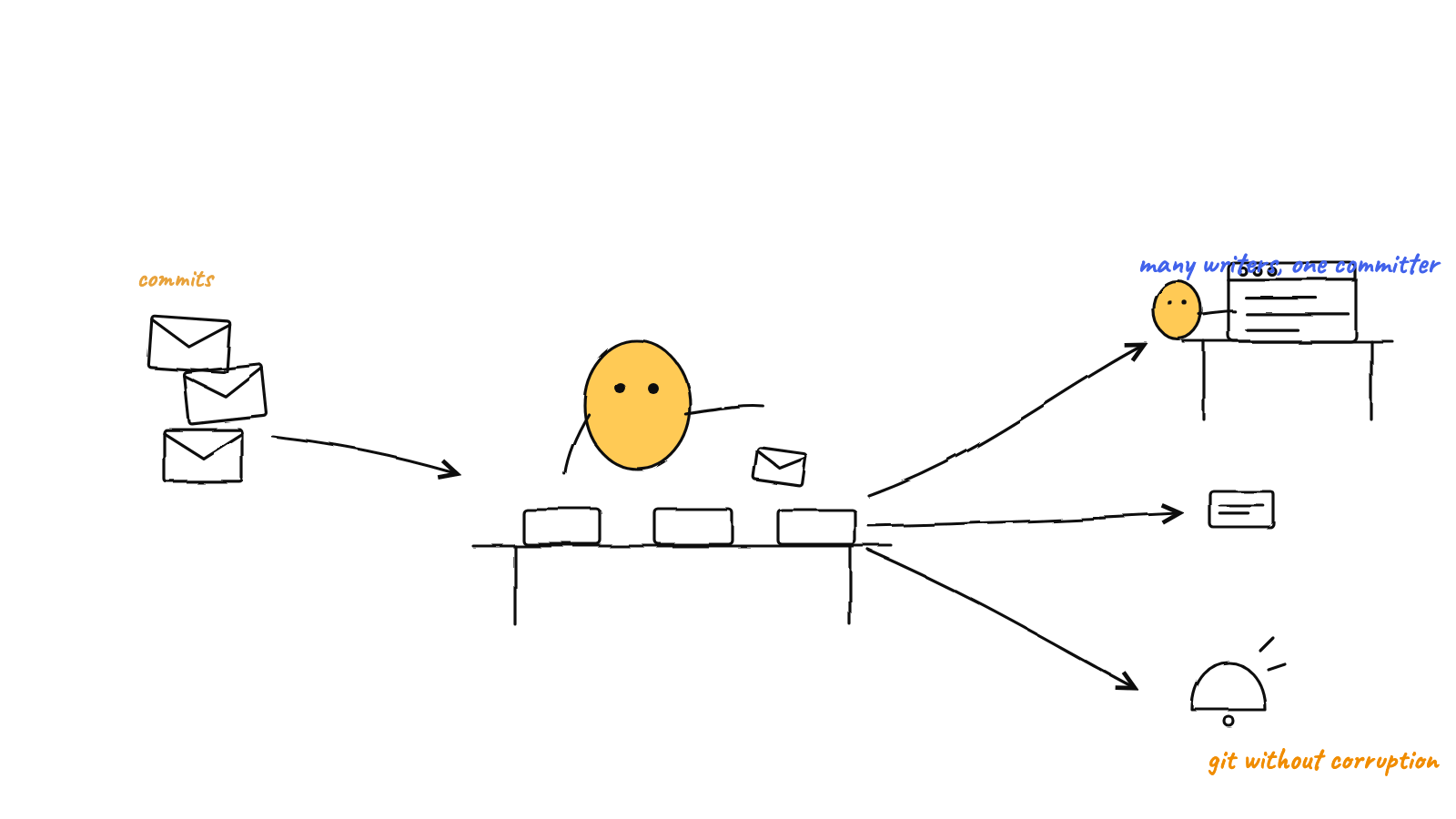
Parallel agents corrupt a repo with index.lock races. The single-committer pattern — agents write, one process commits — fixes concurrent git writes.
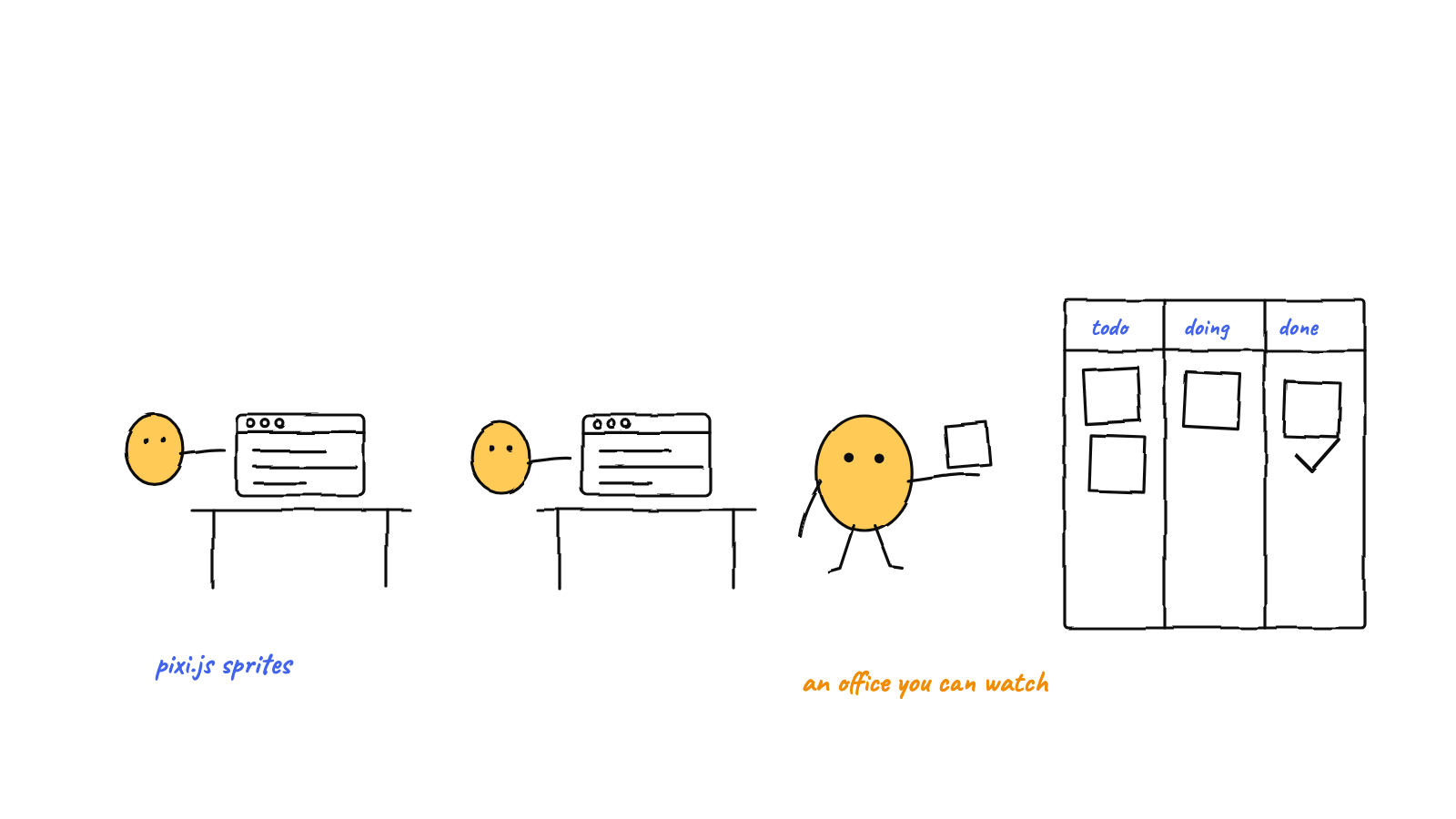
How we render AI agents as avatars on a Pixi.js office floor — driven by real hook and message events, with seat assignment, pathing, and flying envelopes.
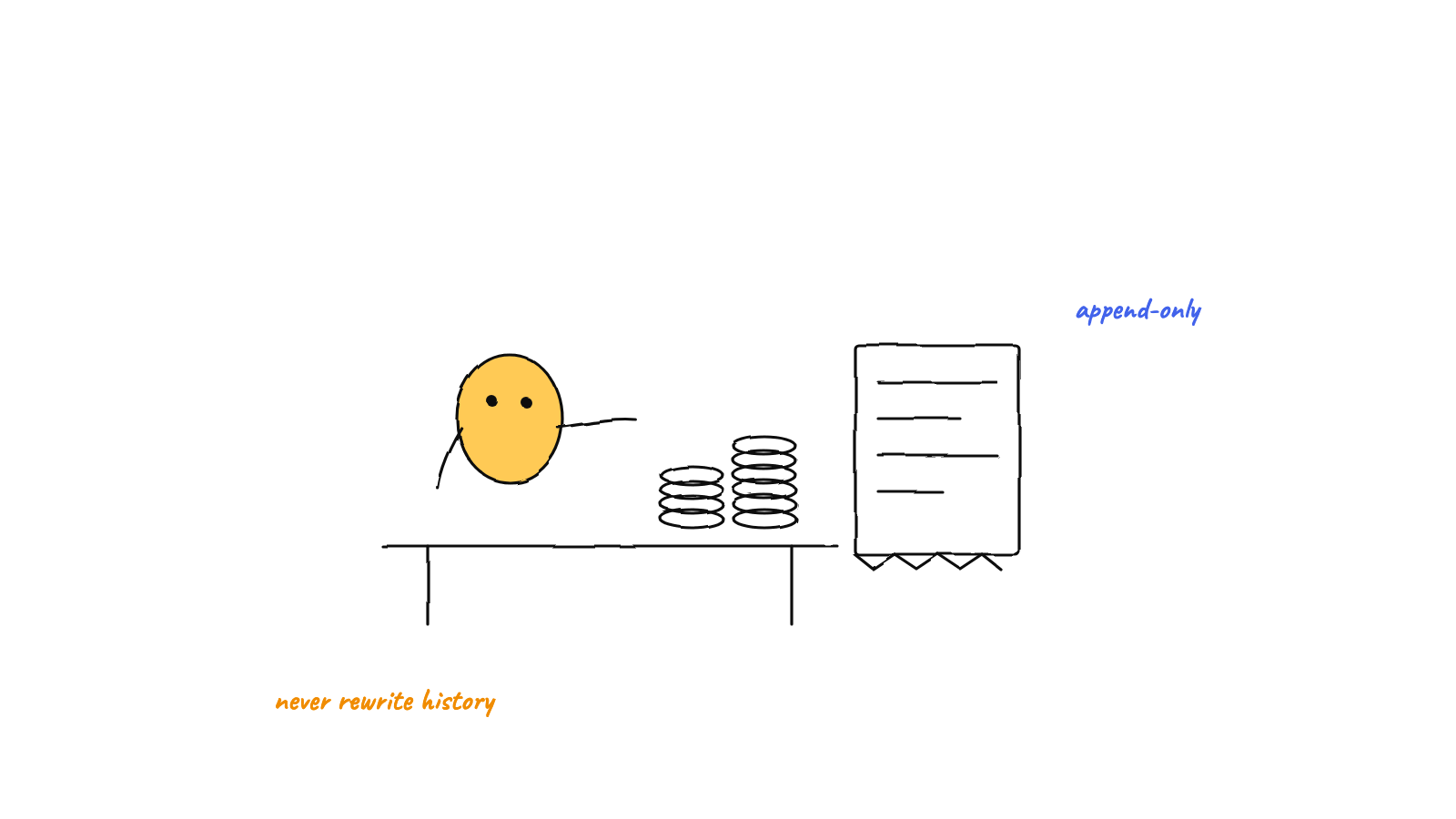
How an append-only event log makes a multi-agent system debuggable and replayable: what to record, and why one JSON line per event beats a database.
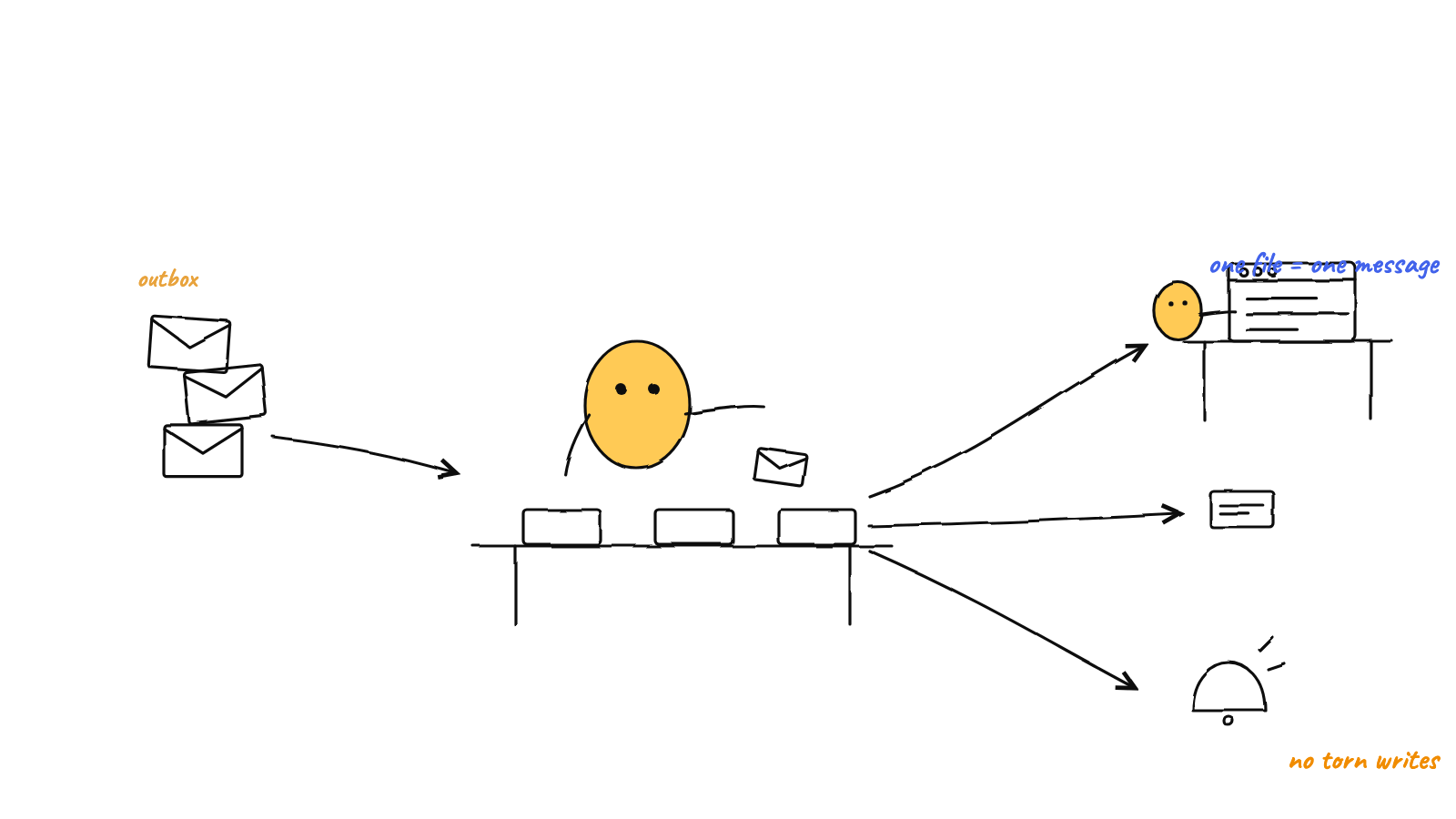
Can Claude Code agents talk to each other? Yes — the outbox-router-inbox design that lets agents message safely using plain files and atomic renames.
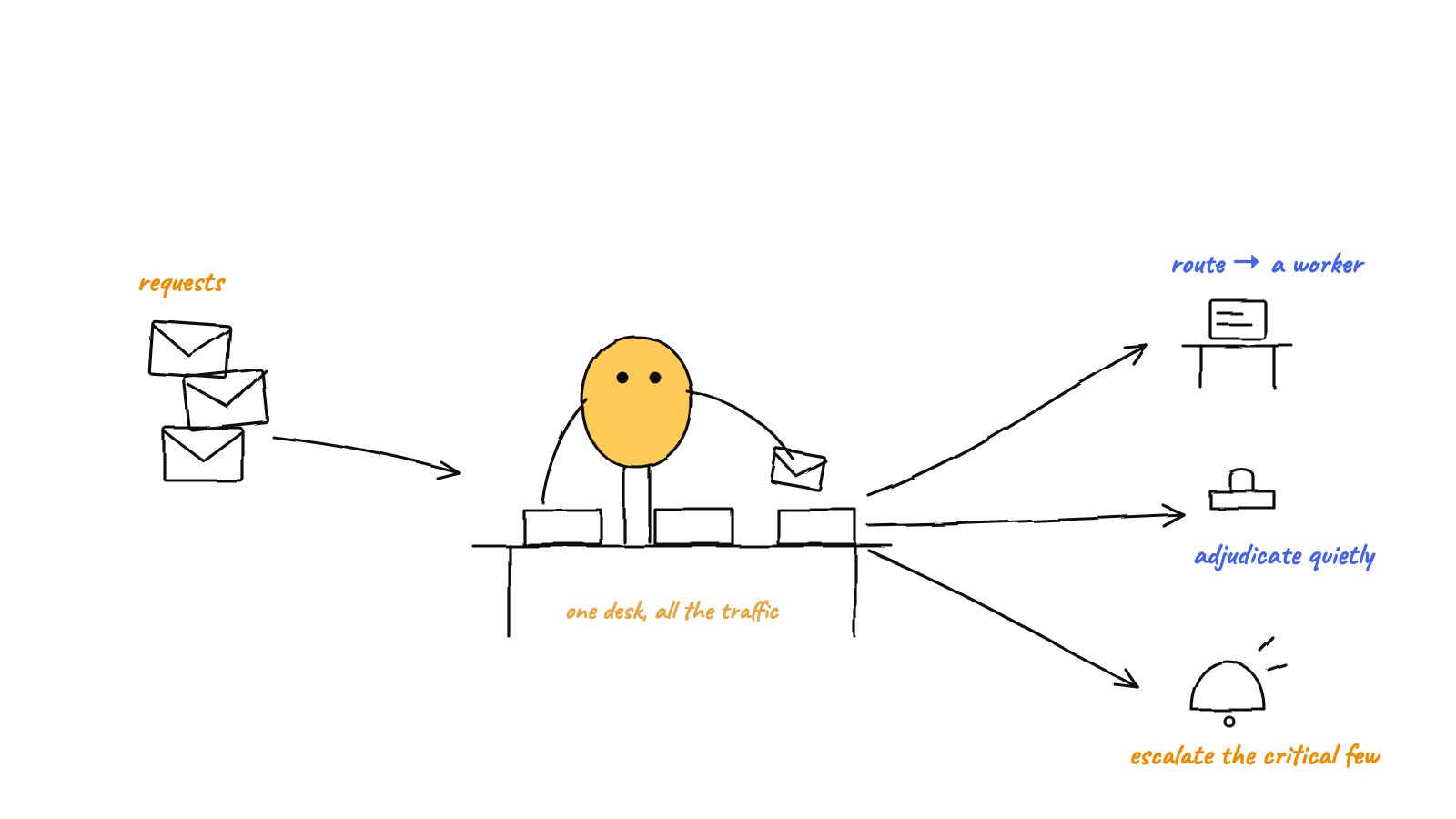
A deep dive into the Claude Code orchestrator: how a GOD agent reads requests, routes work, adjudicates routine traffic, and escalates the critical few.