OpenCode 2.0: what changed and how to upgrade
OpenCode 2.0 from Anomaly: the background service, Code Mode, background subagents, the new plugin API and SDK, and how to upgrade. Checked 15 Oct 2026.
Concepts
Read →
Topic
The ideas underneath the product — harnesses, hives, memory, orchestration — explained without the hand-waving.
OpenCode 2.0 from Anomaly: the background service, Code Mode, background subagents, the new plugin API and SDK, and how to upgrade. Checked 15 Oct 2026.
Claude Code Router, checked 14 Oct 2026: what the local gateway does, how to install it, which providers it lists, and what Anthropic says about it.
Google's own numbers for Gemini 4 Argon on real code: 134 bugs triaged in under 3 hours, 30% fewer rollbacks, a framework tuned overnight. Checked 13 Oct 2026.
Gemini 4 Argon went on general release on 13 Oct 2026: $2 input and $10 output per 1M tokens through 30 Nov, a 1M token window, and where you can use it.
Meta's Muse Wonder and Muse Wonder Full: API price, Muse Code plans, context window and Meta's own coding scores, checked 13 Oct 2026.
Claude routines run a saved Claude Code prompt in the cloud on a schedule, an API call or a GitHub event. Plans, steps and limits, checked 12 Oct 2026.
Claude Code Projects, checked 11 Oct 2026: a public beta on Pro and Max where Claude runs your tasks as parallel threads. Access, limits and plan use.
Dynamic workflows let a Claude Managed Agents agent write a program that runs many agents. How to turn them on, beta limits and cost, checked 11 Oct 2026.
Claude Code agent teams, checked 8 Oct 2026: what they are, the experimental setting that turns them on, how they differ from subagents, token cost and limits.
Claude Haiku 5.5 is Anthropic's new small model. Its tiered price, Anthropic's own scores and how to pick it in Claude Code, checked 8 Oct 2026.
GPT-6 with Intelligent UI in ChatGPT: Plus, Pro, Business and Enterprise from 7 Oct 2026, then Free and Go. Codex models are not changing in this release.
The Claude Agent SDK is Claude Code as a Python and TypeScript library. Install commands, features, billing, licence and limits, checked 8 Oct 2026.
ZCode is Z.ai's Apache-2.0 coding workspace: desktop app, browser view and terminal agent. How to install it, which models it lists, and what it costs.
The OpenAI Decisions API is a beta endpoint that returns a probability, a pick or a score. Price, limits and how to call it, checked 7 Oct 2026.
Mistral Large 4 is a 1 trillion parameter open weight model in public preview. Context window, API price, Mistral's own scores and weights, checked 6 Oct 2026.
OpenAI text watermarking (textGrain) is opt in for the API now and is coming to eligible ChatGPT and Codex text in the EU. Limits checked 6 Oct 2026.
Reflection AI Beam is a 501B parameter open weight model. Size, Reflection's own scores, licence and when you can get it, checked 6 Oct 2026.
Claude Cowork is Anthropic's agent for multi-step office work. Which plans include it, what it costs, where it runs and how to start, checked 3 Oct 2026.
Gemini Spark is Google's personal AI agent in the Gemini app. Plans, US prices, countries, limits and how it compares with Grok Bot, checked 3 Oct 2026.
Hermes Agent is Nous Research's MIT licensed AI agent with memory, skills and chat channels. Install command, models, pricing and how it compares.
Codex is OpenAI's coding agent for your terminal, editor, desktop app and cloud. ChatGPT Free, Go, Plus and Pro include it. Plans and models, 15 Oct 2026.
Pi agent is Earendil's MIT licensed coding agent harness. What it is, how to install it, what Pi 1.0 and Pi Durable add, and how it compares.
A ChatGPT dot is an always on agent with its own cloud computer. Needs Pro (from $100 a month) or Business Premium, not Plus. Not on Pro in the UK or EU.
OpenCode is a free, MIT licensed coding agent from Anomaly. The tool costs nothing; you pay for the model you connect, unless it is local or free.
Ollama is good for coding on scoped, private work if the model fits your memory. Which models to pull, how much RAM, and where Claude still wins.
Is the Claude Max plan worth it? Max 5x and 20x against Pro, checked 29 Sep 2026: price, five hour and weekly limits, Fable, and the API break even.
No. Claude Code is proprietary under Anthropic's terms. What its GitHub repo holds, what the 2026 leak changed, and which open tools sit around it.
Vibe coding means building software from AI prompts without reading the code. Where the term came from, when it is fine, where it bites, and what to check.
An MCP server gives an AI agent tools, data and prompts over one open protocol. What it is, the host, client and server roles, and where Claude Code plugs in.
Claude Code pricing checked 29 Sep 2026: Pro, Max, Team, Enterprise and API rates, usage limits, what changed this year, and whether Claude Code is free.
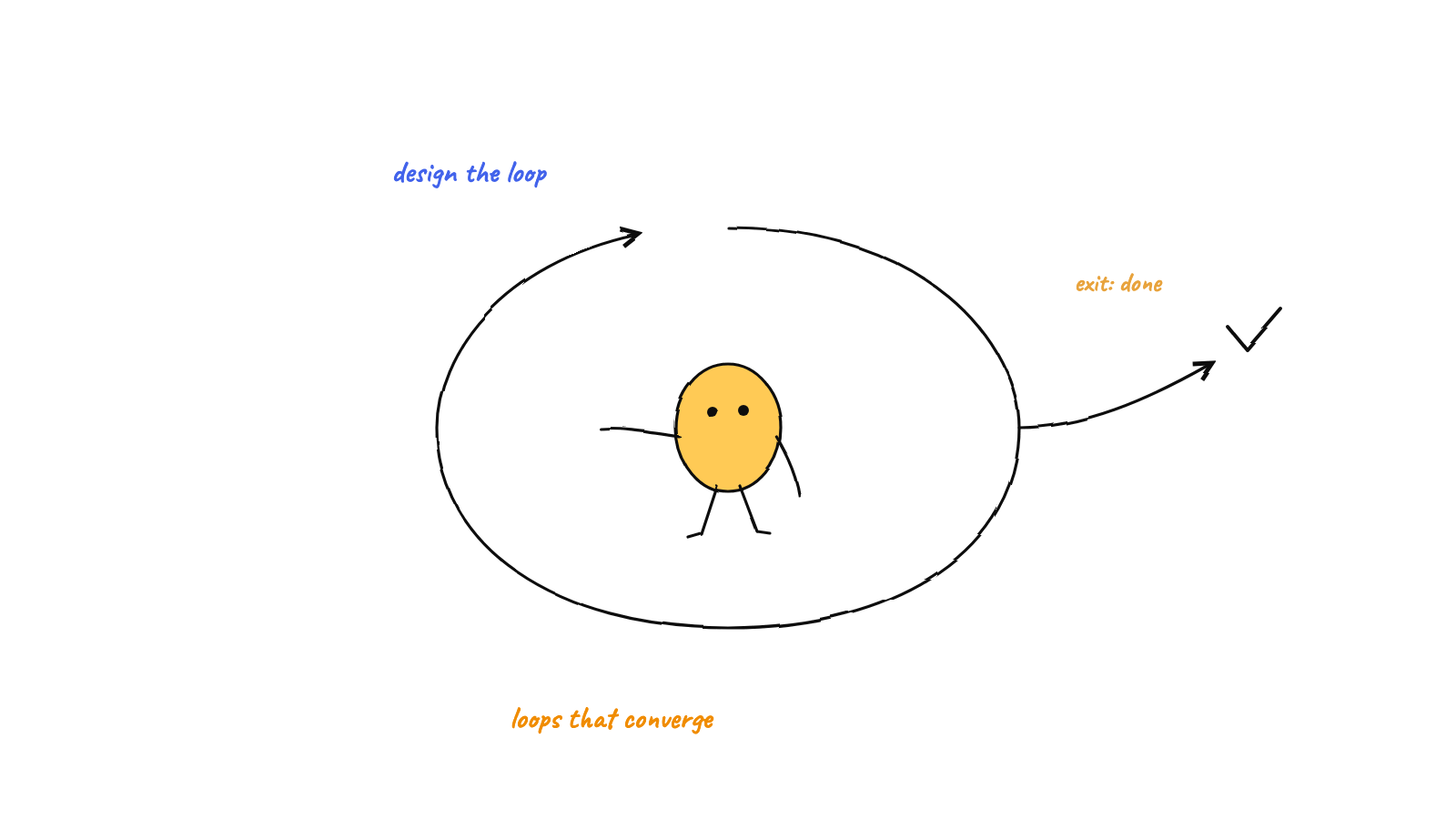
Everyone engineers the prompt; almost nobody engineers the loop around it. Stop conditions, drain loops, retry with backoff, compaction cycles, breaker escalation, budgets, and human gates — the outer-loop mechanics that make an agent converge instead of run away.
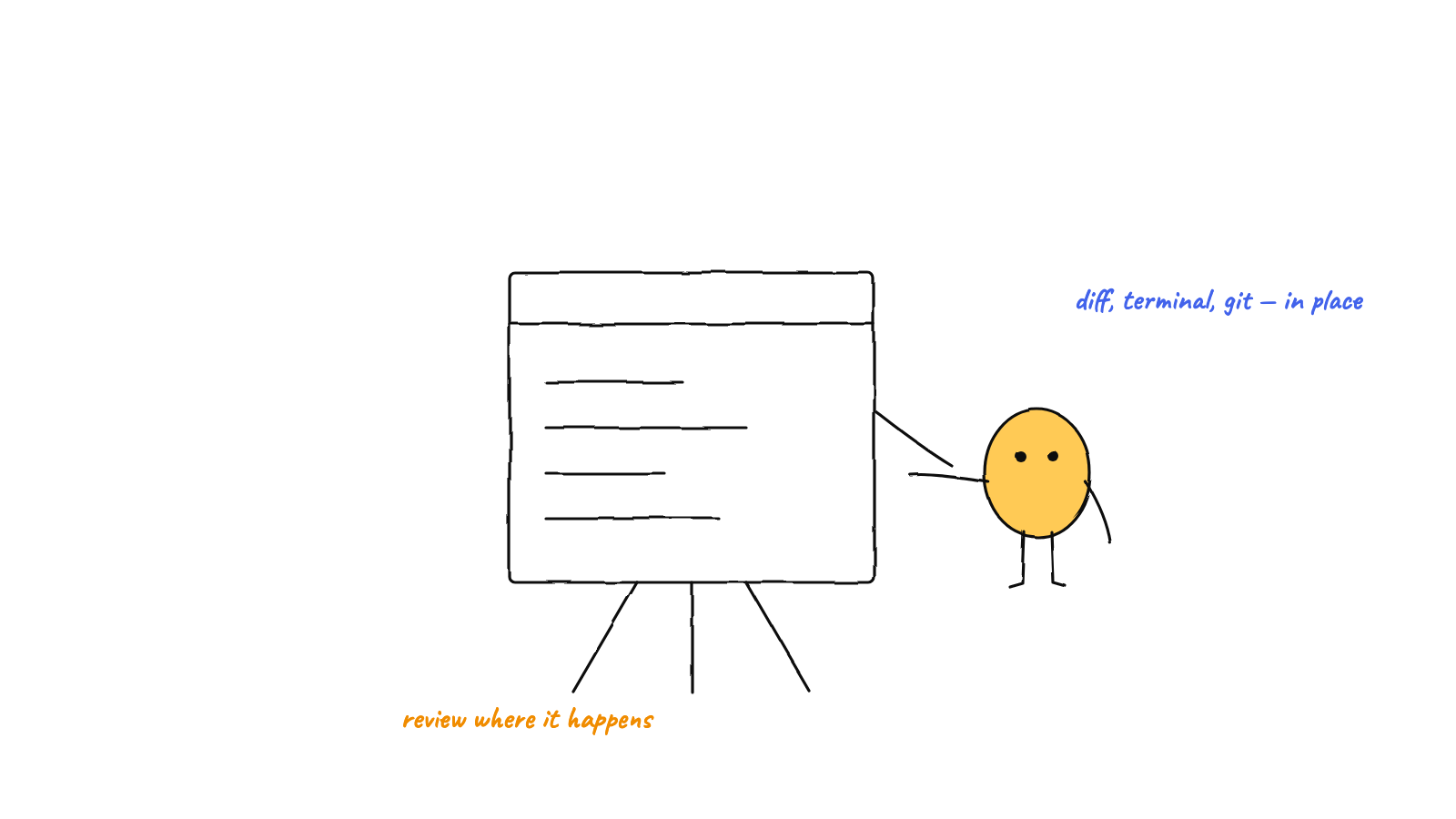
AI agents produce diffs faster than humans can review them, and alt-tabbing to an external editor breaks supervision flow. The case for review-in-place: Munder Difflin's built-in Monaco IDE puts a CHANGES rail and side-by-side diffs vs HEAD right on the office floor.
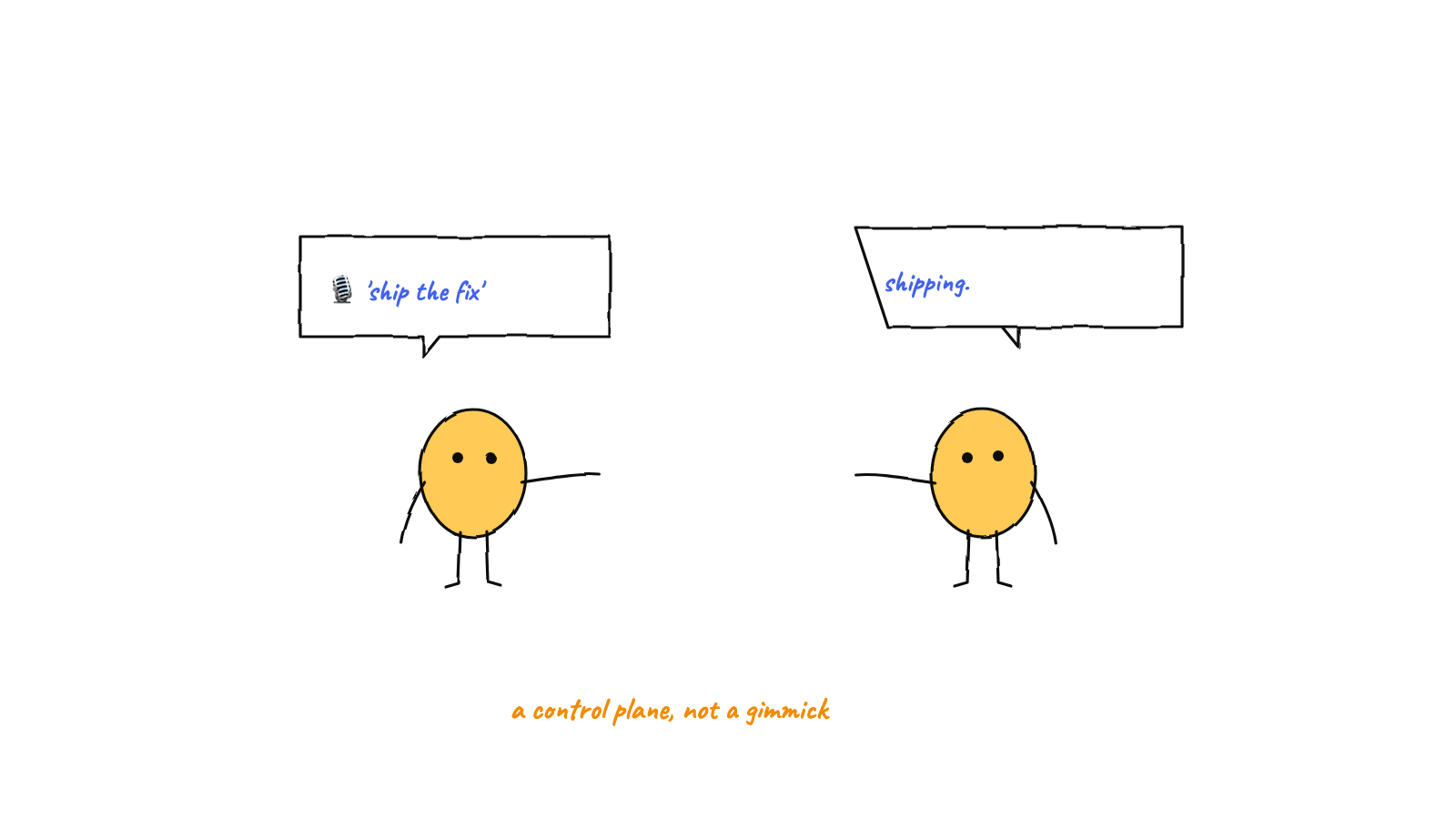
Voice is a terrible way to write code and a great way to run a fleet. Why low-bandwidth commands over high-bandwidth work is the right split — with Munder Difflin's Talk mode (echo-back confirmation, spend caps, michael-voice attribution) as the case study.
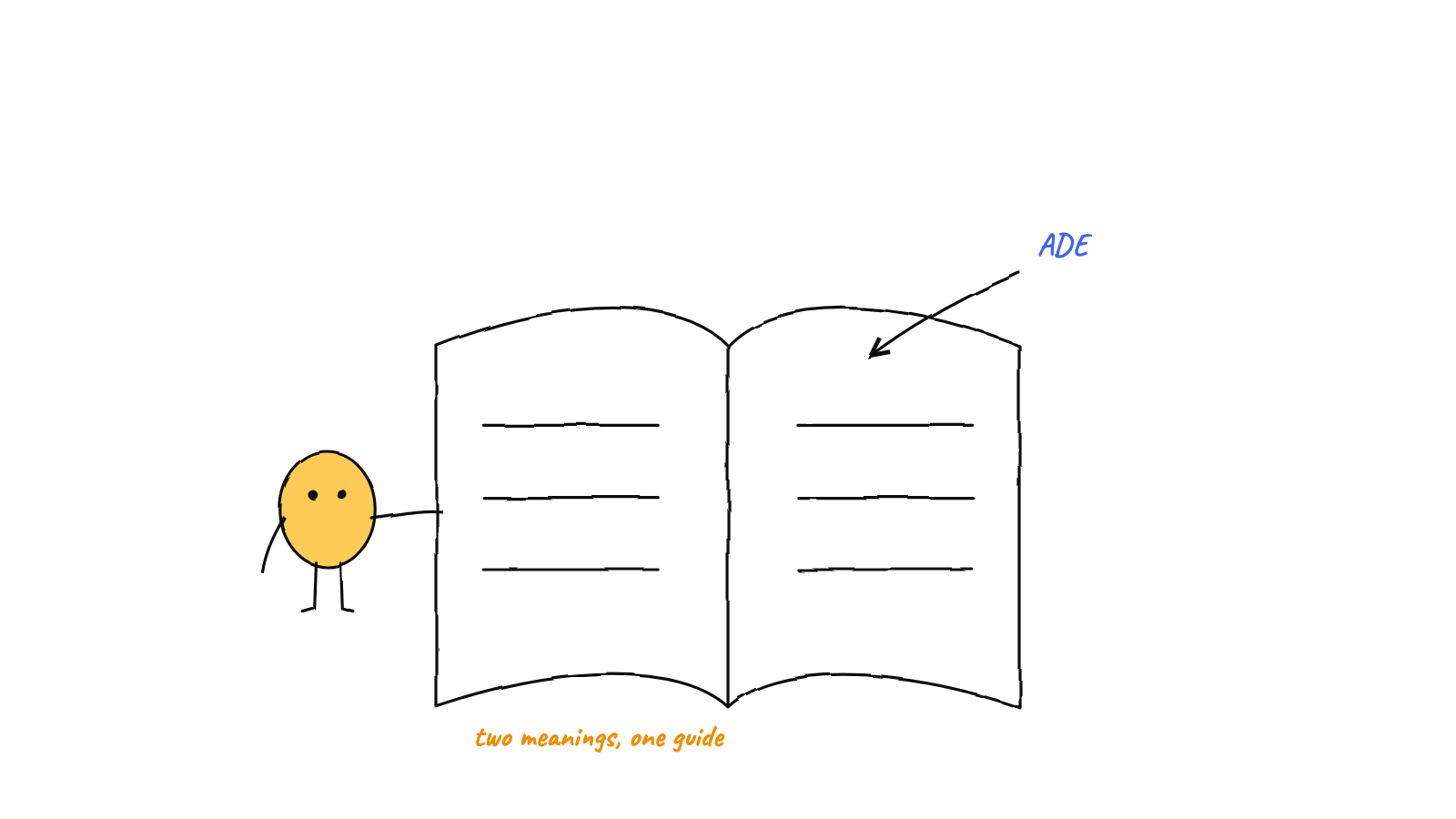
ADE means two things in 2026: a platform for building agents (Letta's sense) and a workspace for shipping code with fleets of coding agents (Orca's sense). Here's the full tooling map — chat IDEs, agent CLIs, agent IDEs, and agent harnesses — and how to pick.
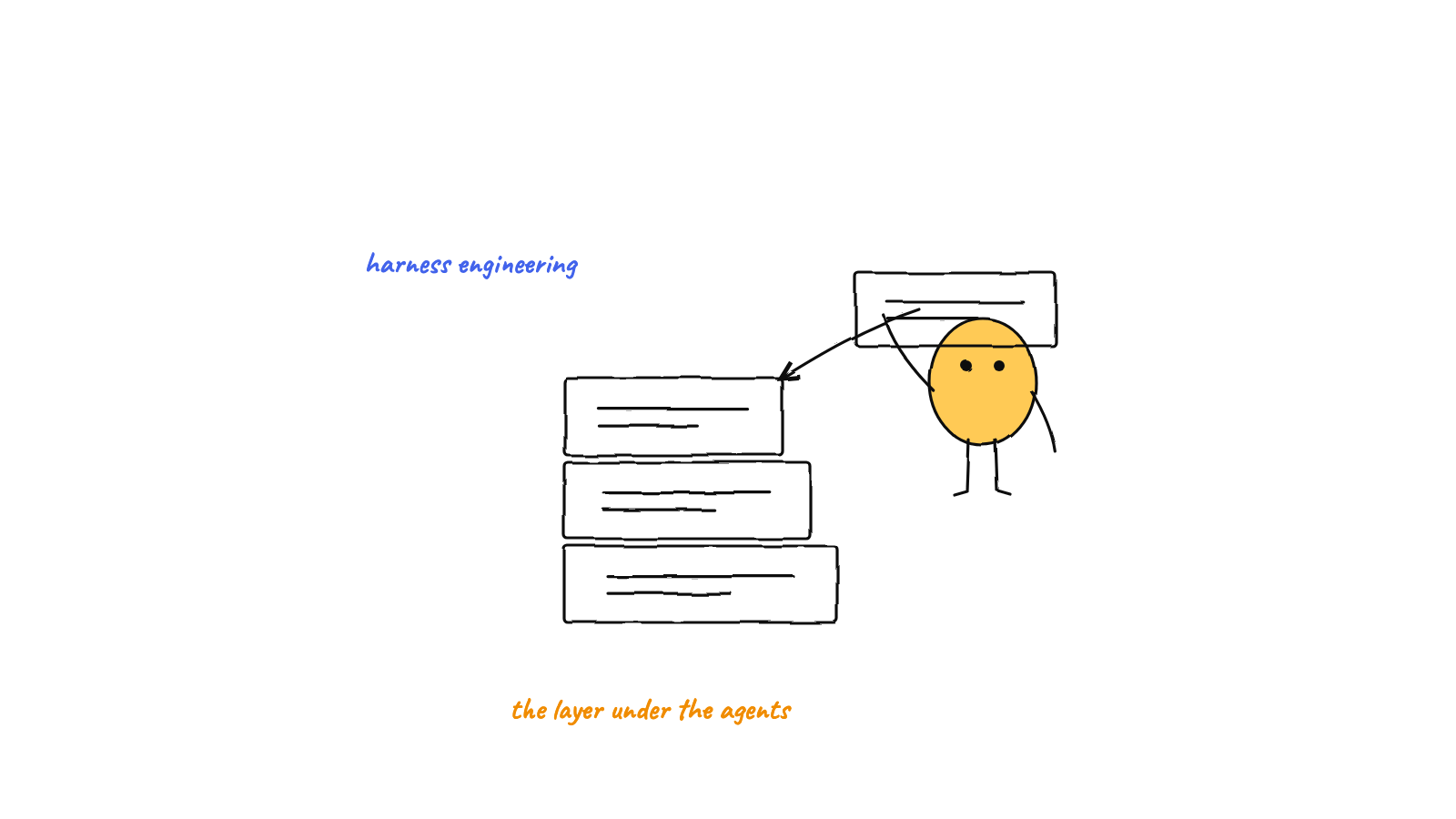
Harness engineering is the discipline of building everything around the model — PTY plumbing, lifecycle hooks, mailboxes, memory, budgets, human gates, observability — because that's where agent reliability actually comes from. A definition, and four case studies from inside Munder Difflin.
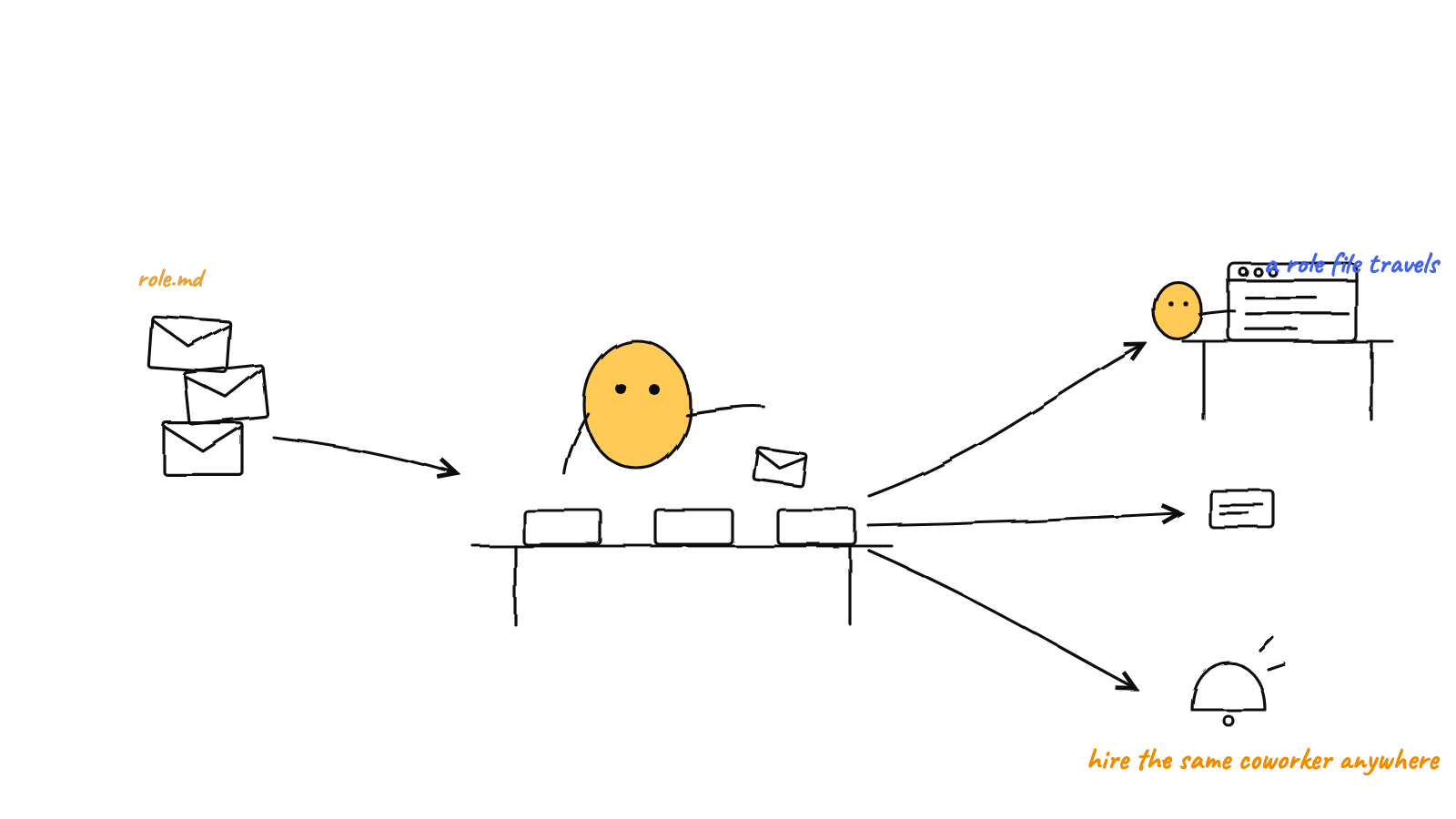
Why agent roles should be portable: what a hire manifest encodes, how one-click hiring stays safe, and how The Hiring Fair turns tacit setup into a shareable artifact.
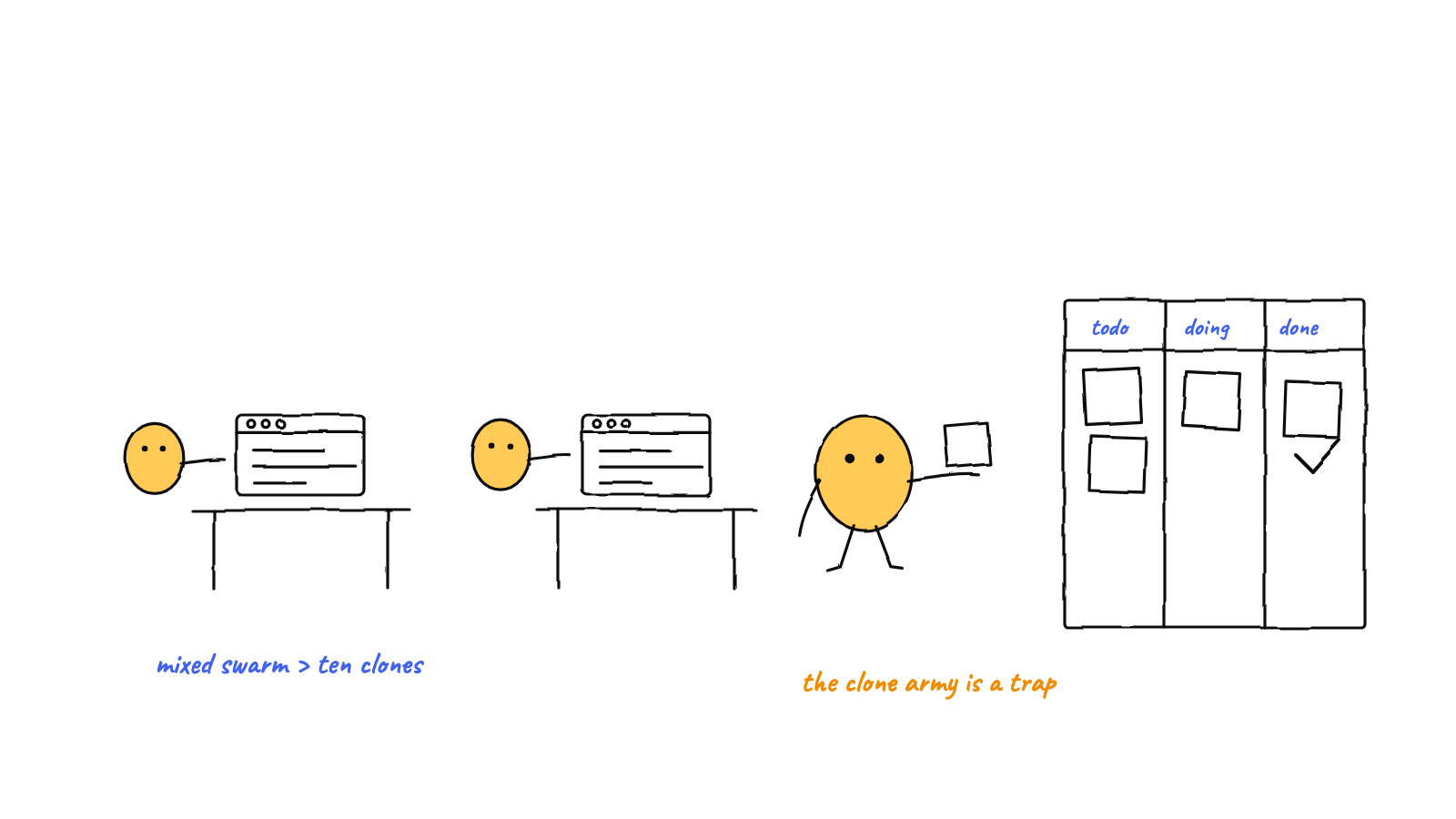
Spinning up tens of identical top-tier CLI agents feels powerful and burns tokens on work a cheaper agent could do. A mixed-capability swarm with shared memory wins on cost — and often on quality.
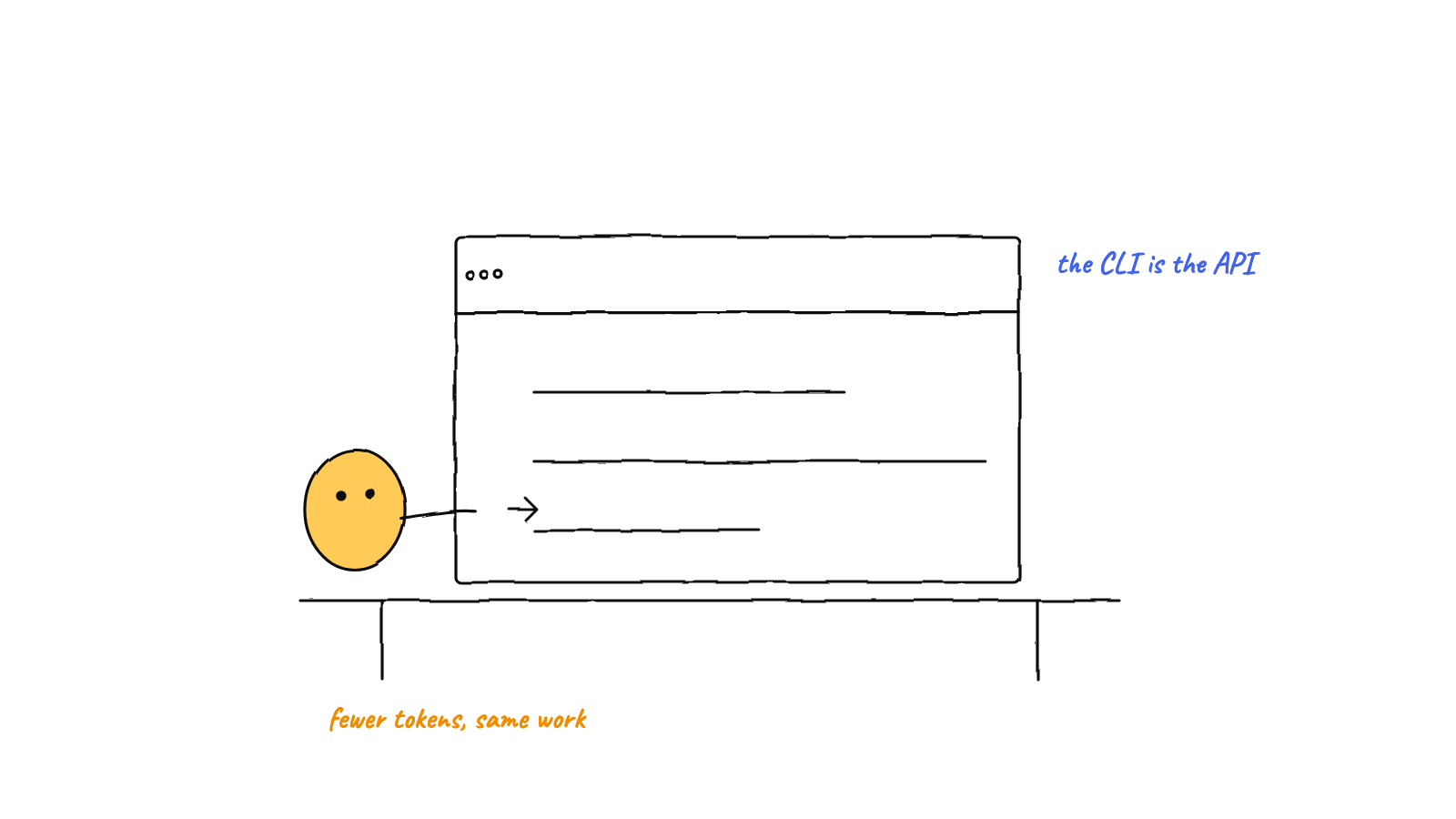
CLI agents are powerful because they have terminal-level access: they run builds, tests, and git, and verify their own work by executing it. Here's why that matters — and the concrete ways Munder Difflin cuts token consumption while doing it.
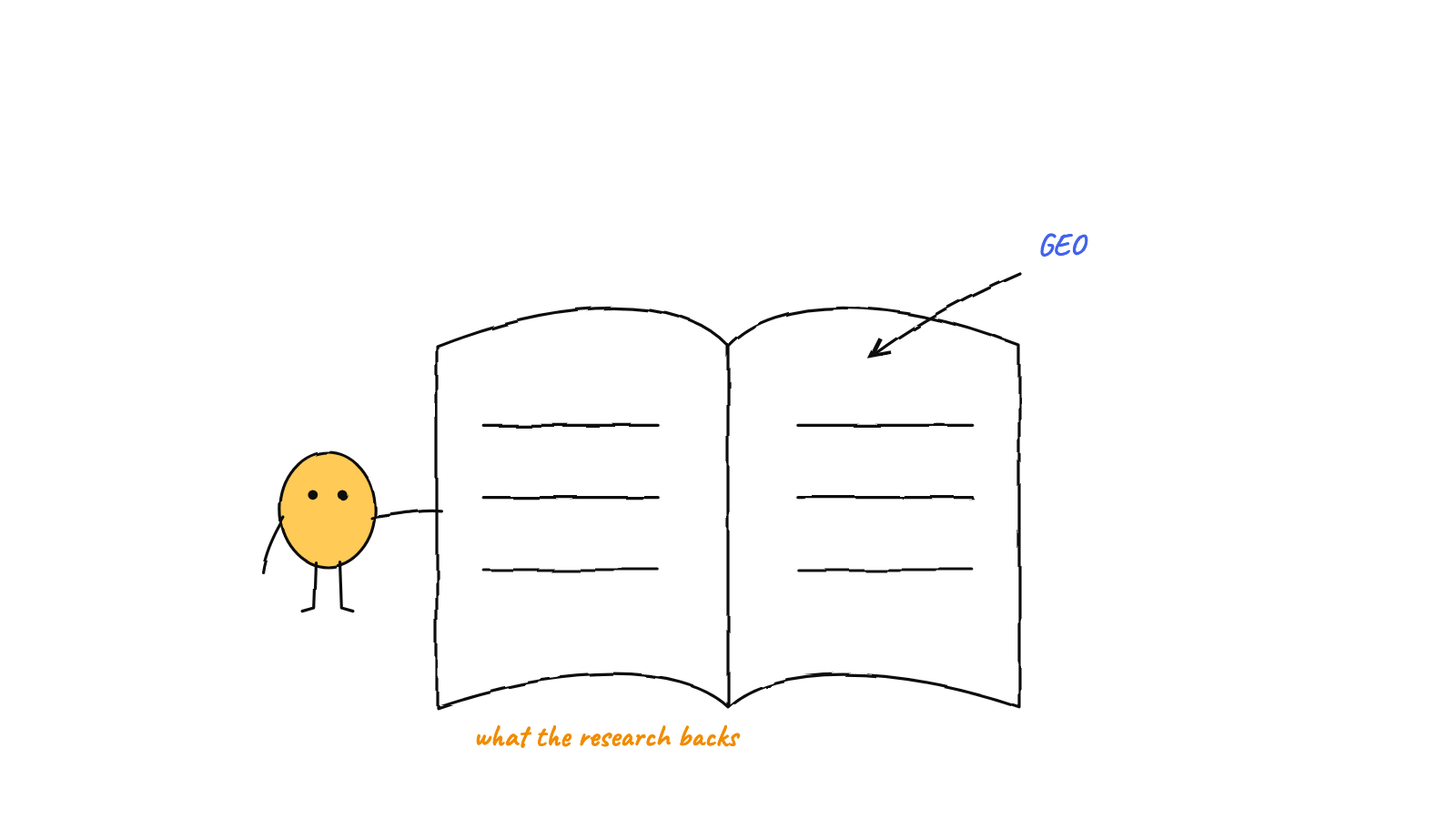
What the first peer-reviewed GEO study found works to get content cited by AI — statistics, source citations, quotes — and why keyword stuffing backfires.
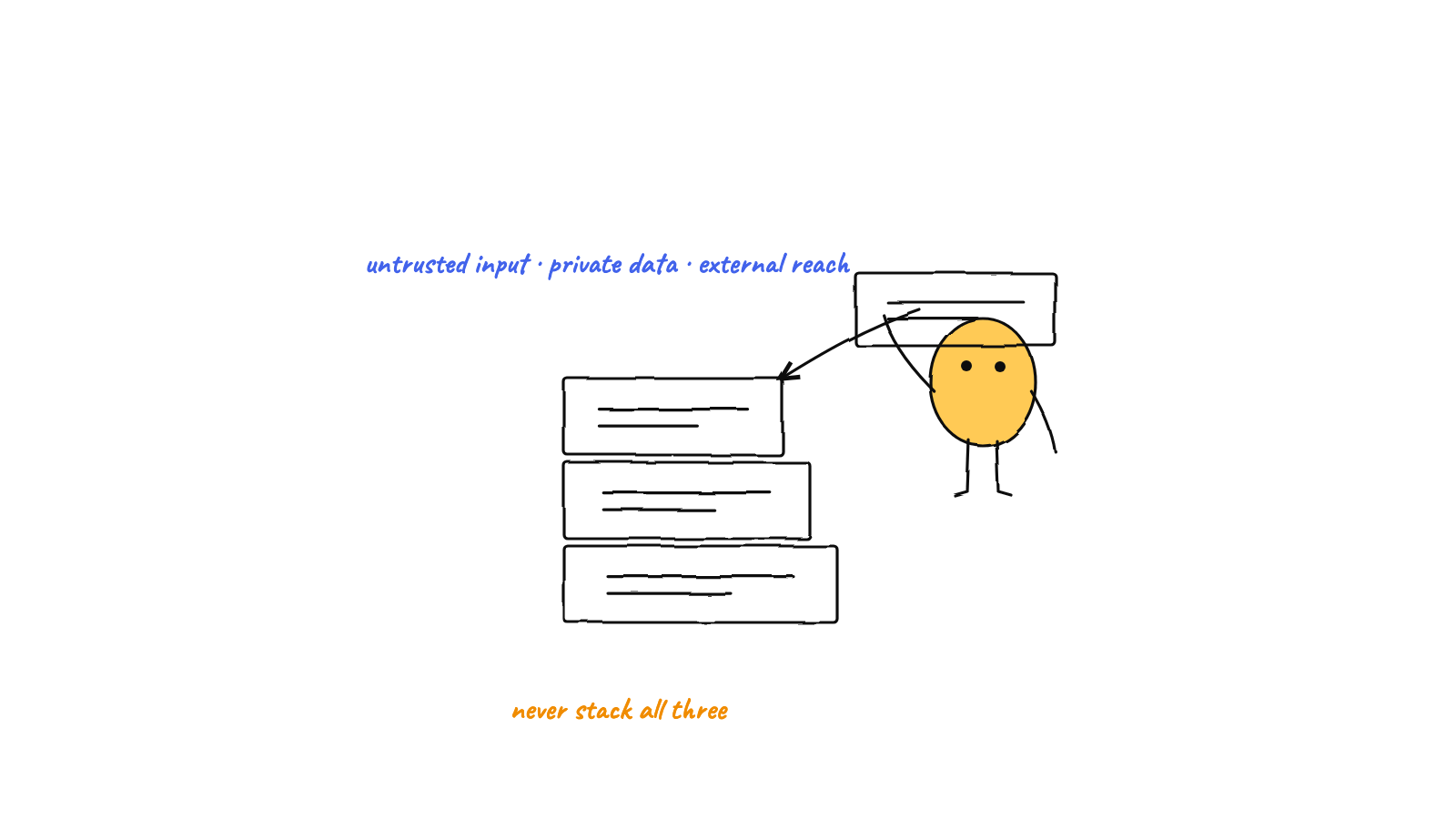
Meta's Agents Rule of Two for coding agents: don't let one session combine untrusted input, private data, and external reach at once — or supervise.
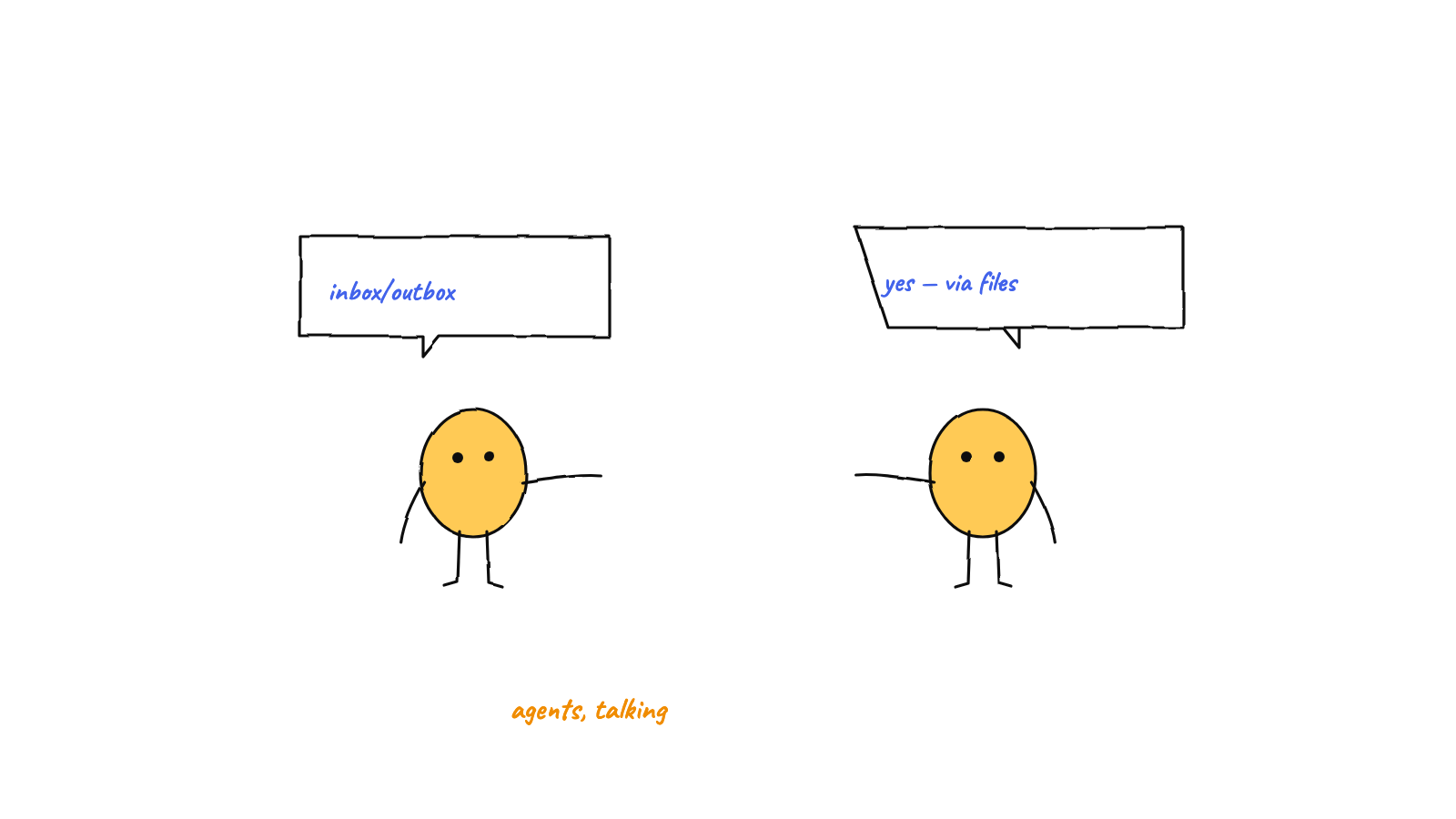
Can Claude Code agents talk to each other? By default they report to their launcher — but a small coordination layer lets them message peer-to-peer.
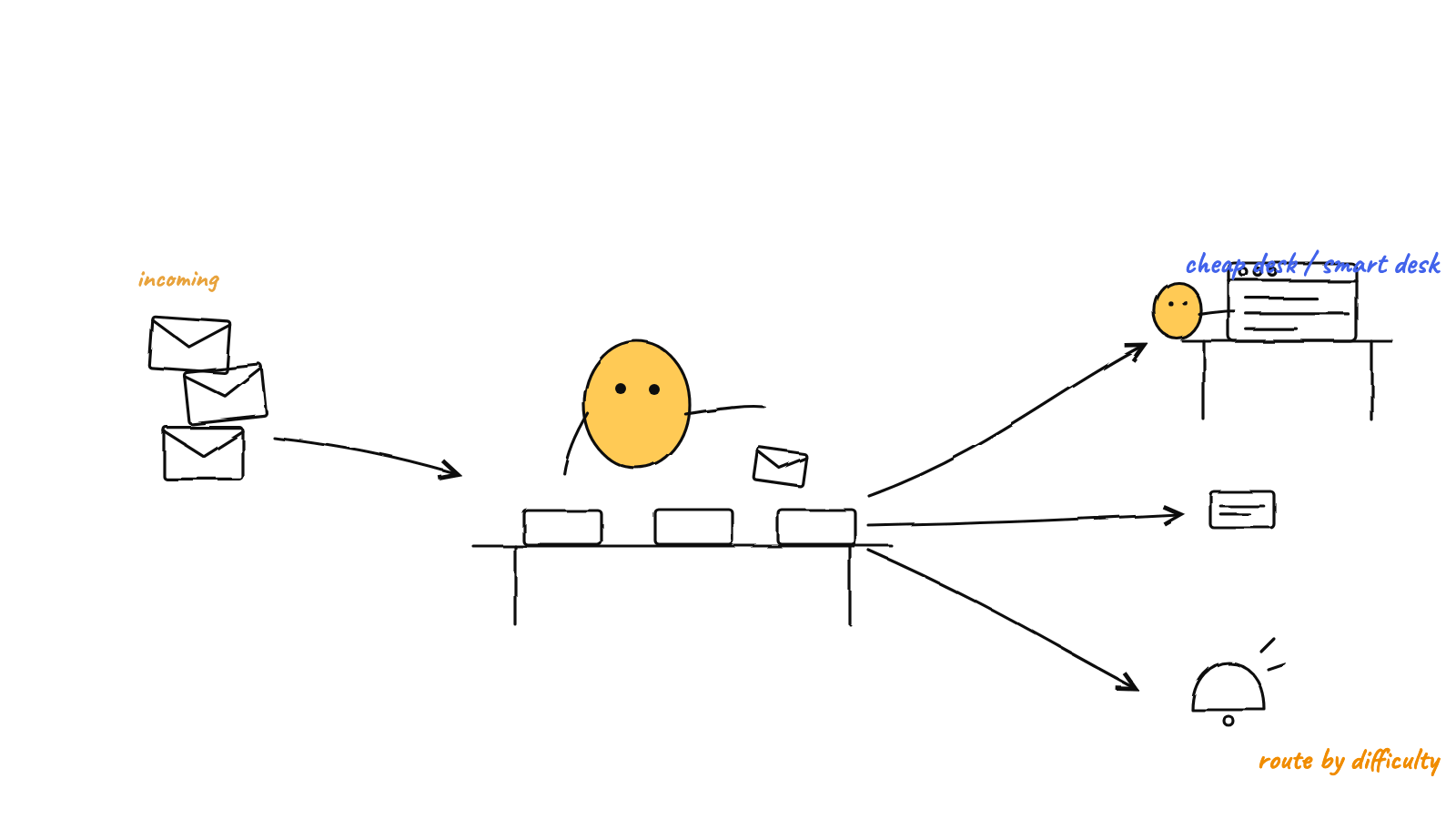
Why a hive of agents shouldn't all run the biggest model — and how routing the right task to the right model cuts cost and latency without losing quality.
The discipline that makes an autonomous coding agent trustworthy: prove every claim, reproduce the green, and check the fix — not just the intent.
Agents used to answer in seconds; now they run for hours. The data behind the shift — and why a longer agent is a different problem, not just a bigger one.
Agents touch your code, keys, and memory. That's why agent tooling should be open source and local-first — so you can verify it, not just trust it.
Answer Engine Optimization for dev tools: how to get cited by ChatGPT, Claude, and Perplexity with the right robots.txt, JSON-LD, and writing patterns.
When do AI agents need a protocol like MCP or A2A? Agents you own coordinate fine with file mailboxes; protocols earn their keep across boundaries.
Plain-English definitions of the AI coding agent terms everyone trips over — harness, orchestrator, hive, subagent, agent memory — each in one line.
Answers to the top Munder Difflin questions — what it is, is it free, does it run locally, which platforms, and how it differs from many terminals.
Claude Code agents explained in plain English — what an agent actually is, how subagents differ, and the leap from one agent to a coordinated team.
An agent harness is the code around an AI model that runs its tool loop, memory and permissions. Single vs multi-agent harnesses, compared and dated.