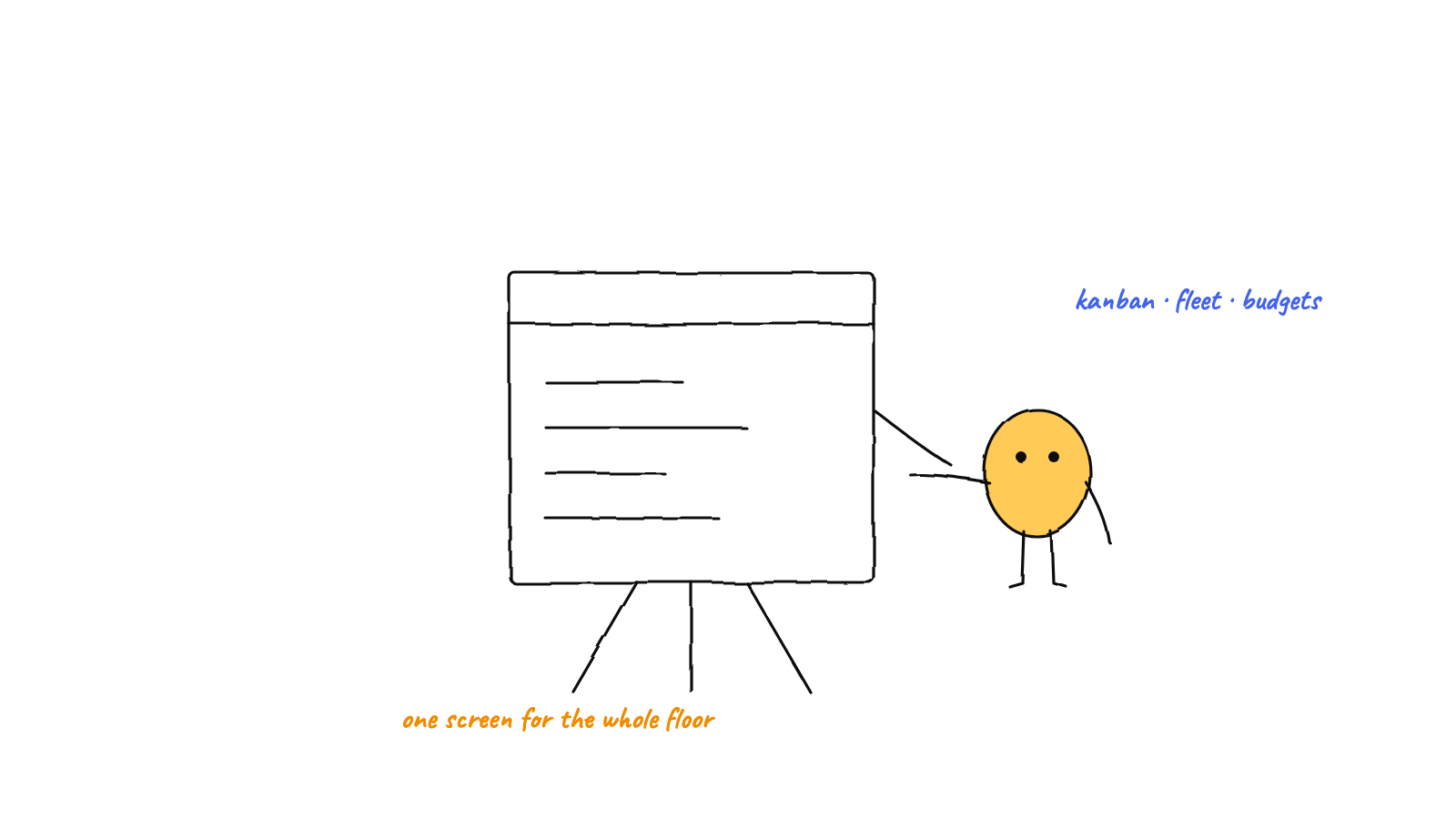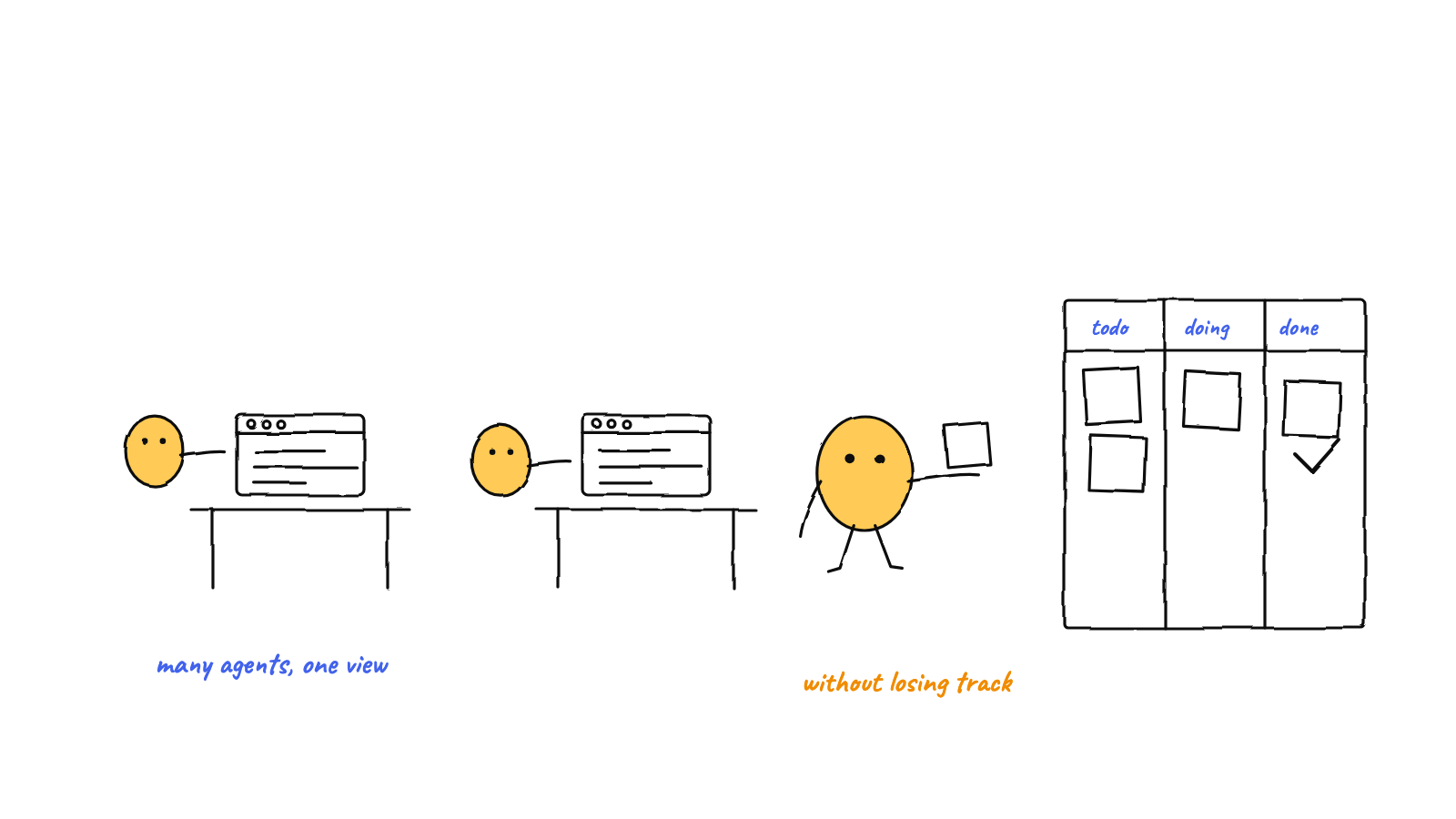
The Command Center: Kanban, Fleet, and Budgets in One Place
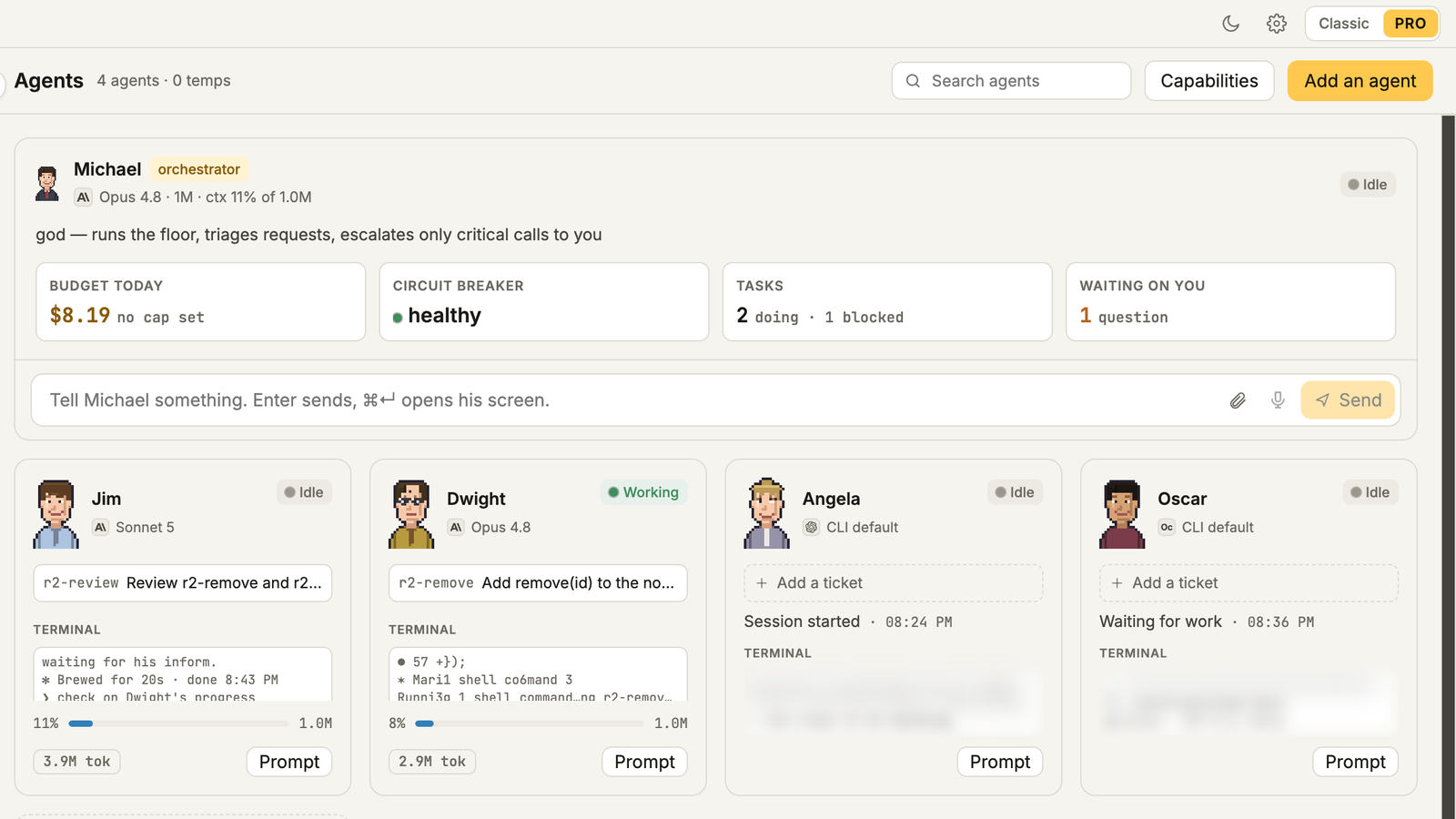
A guide to Munder Difflin's Command Center — the task kanban, live fleet monitoring, per-agent budgets and cost telemetry — and when to watch the board instead of the floor.
Topic
34 posts in this cluster.
A guide to Munder Difflin's Command Center — the task kanban, live fleet monitoring, per-agent budgets and cost telemetry — and when to watch the board instead of the floor.
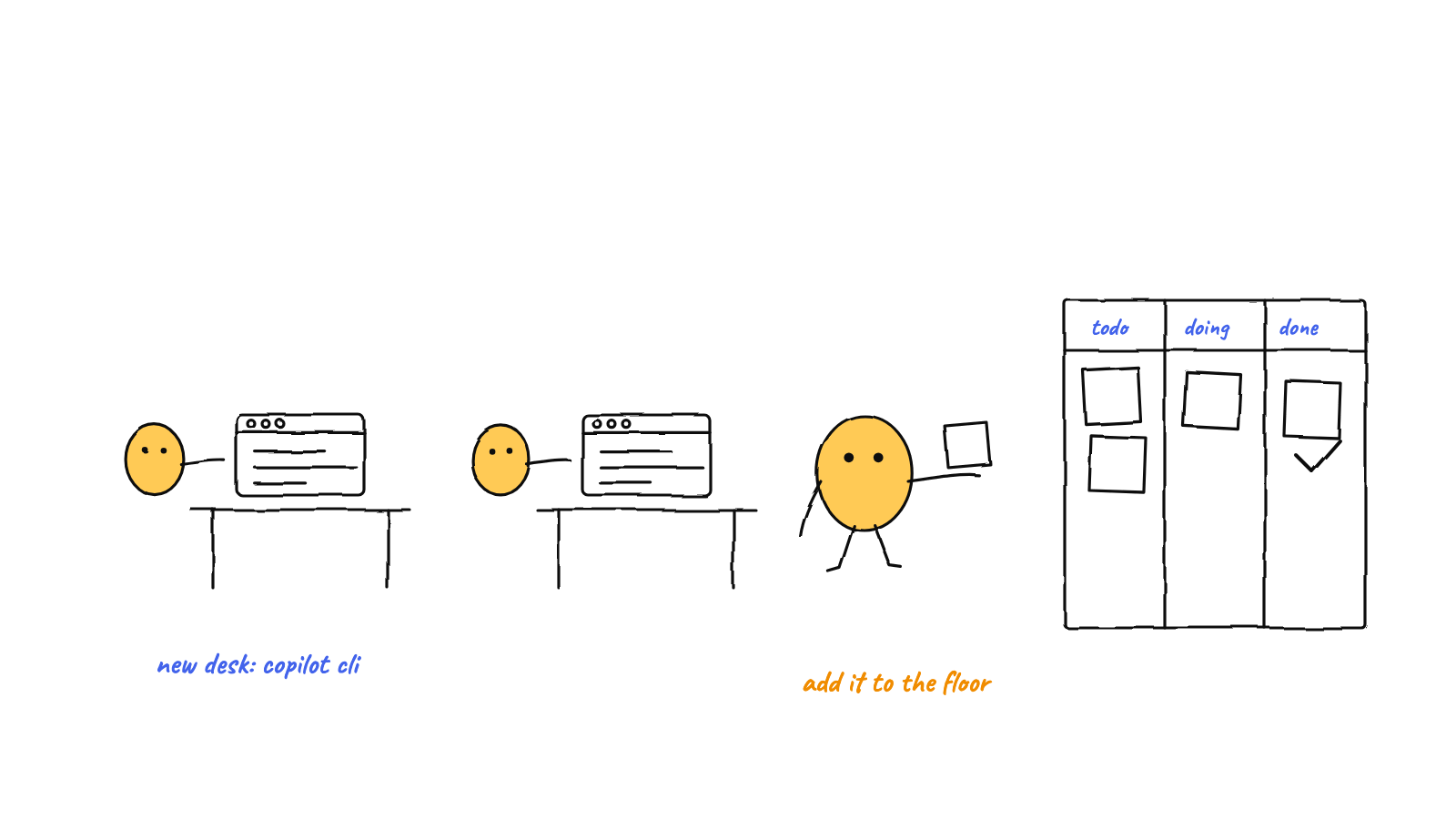
A step-by-step v0.3.3 walkthrough: install GitHub Copilot CLI (or let the harness install it for you), hire a Copilot worker, pick a model, and know exactly what print mode can and can't do.
A practical guide to Munder Difflin's Agent Gallery: browse six off-the-shelf hires, import one from a link or file, review the pre-filled manifest, customize identity, workspace, engine, and briefing — then spawn it yourself.
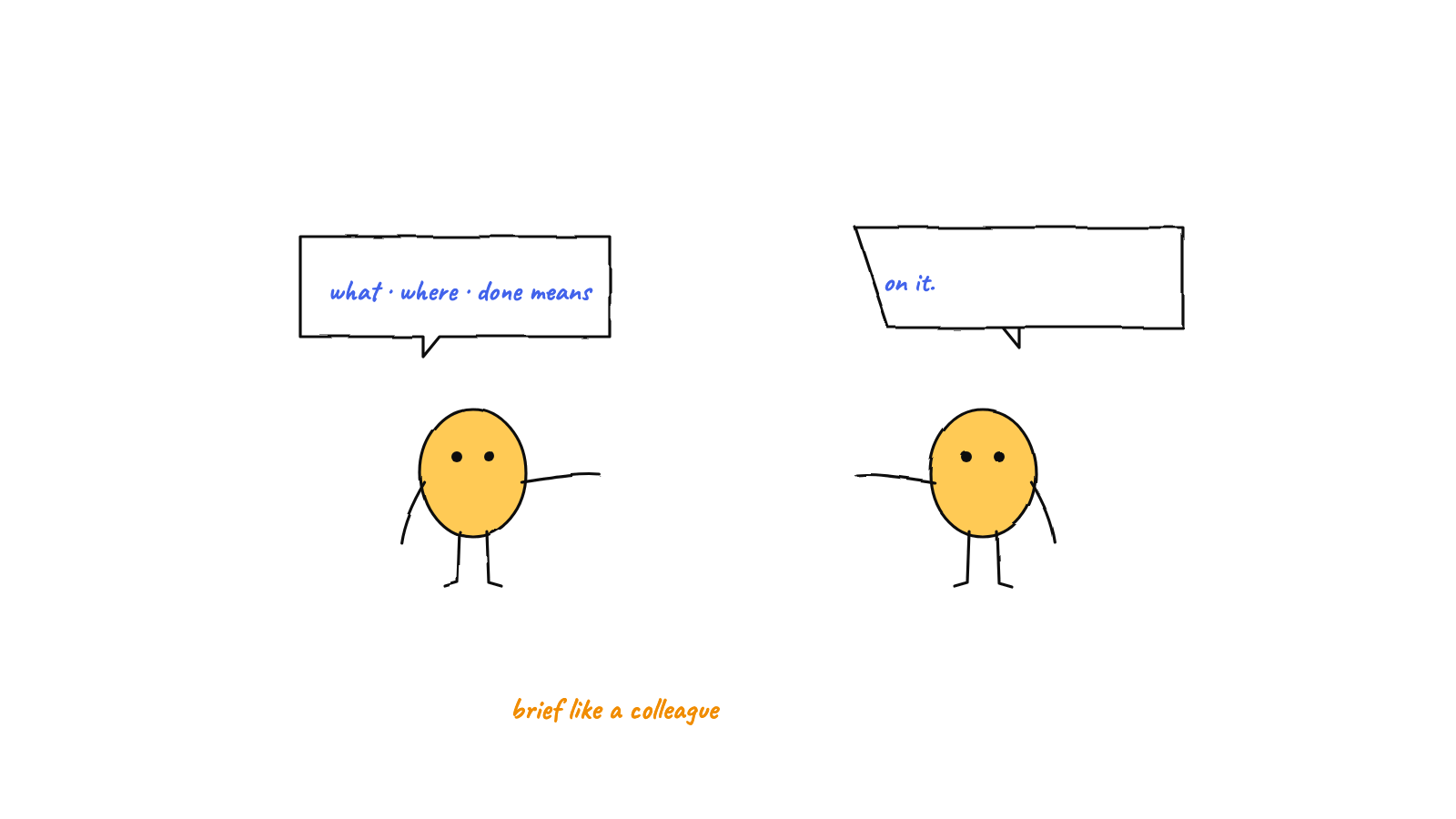
A practical guide to briefing Munder Difflin's GOD orchestrator: state the goal not the steps, set constraints and budgets, name the deliverable, and let Michael staff the floor. With bad-vs-good brief examples, mid-run steering, and Talk mode.
A practical walkthrough of Munder Difflin v0.3.3's built-in Monaco IDE: the title-bar IDE button, the git CHANGES rail with side-by-side diffs vs HEAD, the file tree, tabs, Cmd/Ctrl+S save — and the agent review workflow it enables.
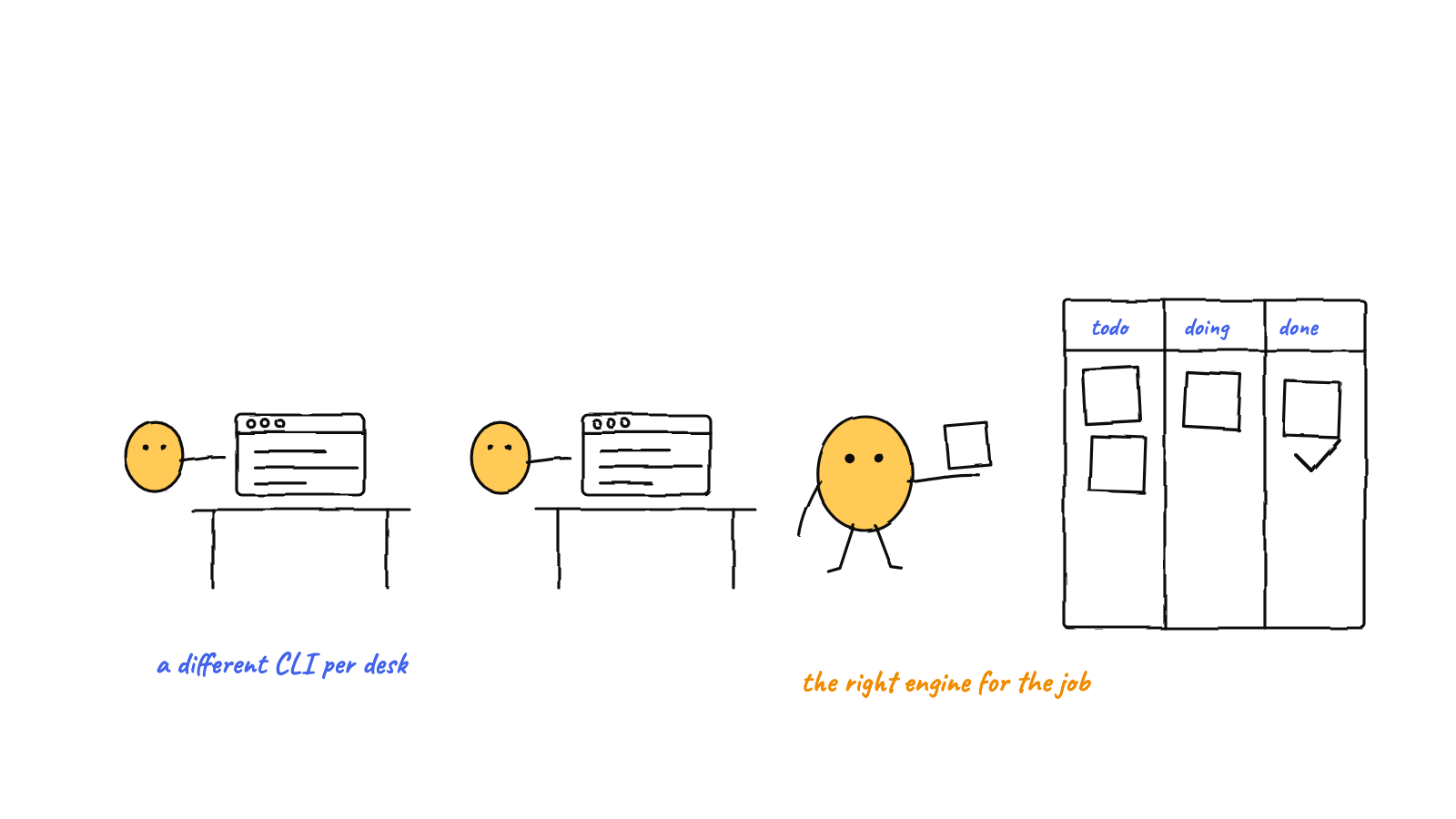
A practical guide to mixing agent engines on one Munder Difflin floor: Claude Code as orchestrator, Codex for coding bursts, Copilot for dispatched tasks, and OpenCode/Crush/pi.dev for BYOK keys and local models.
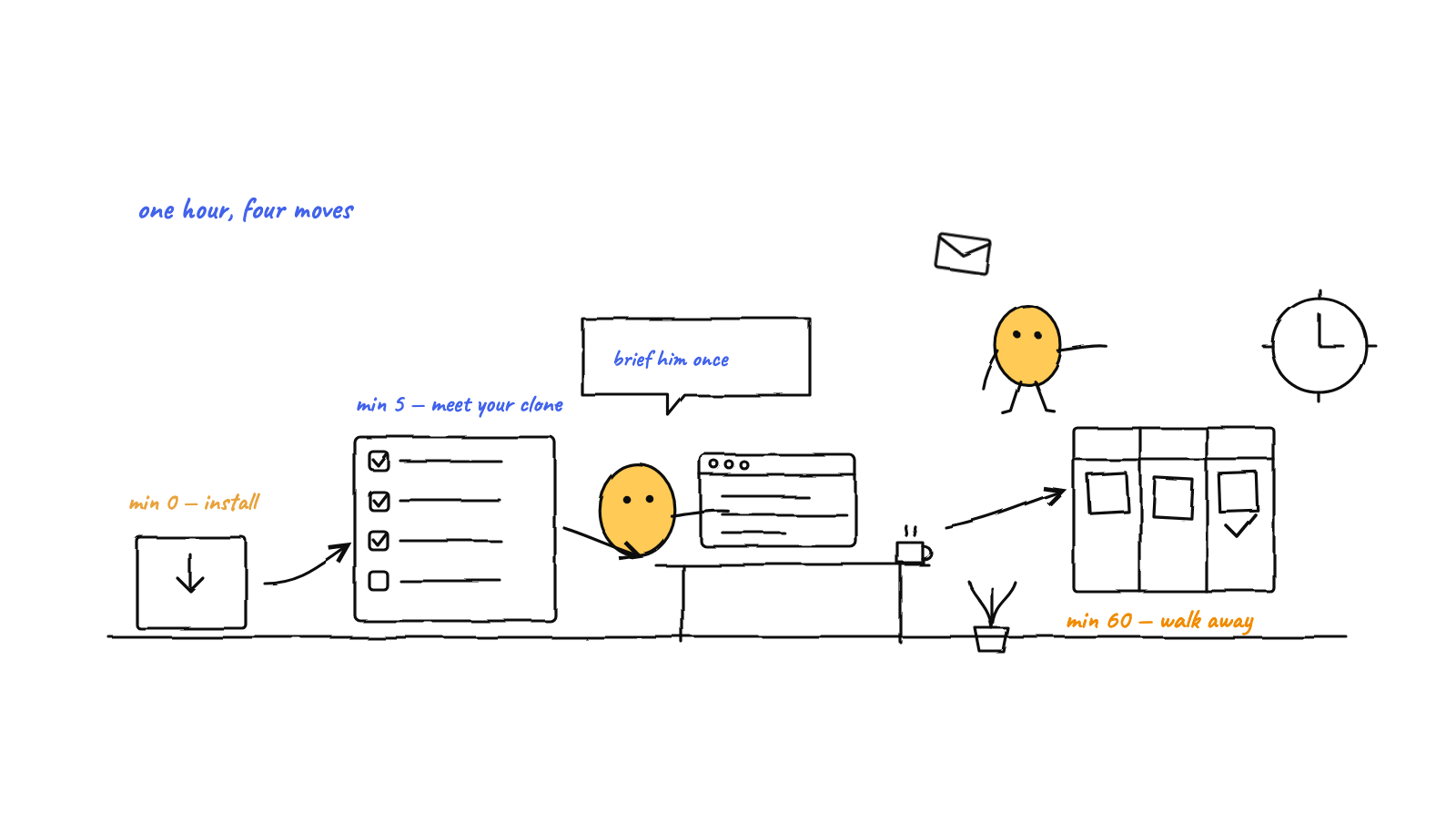
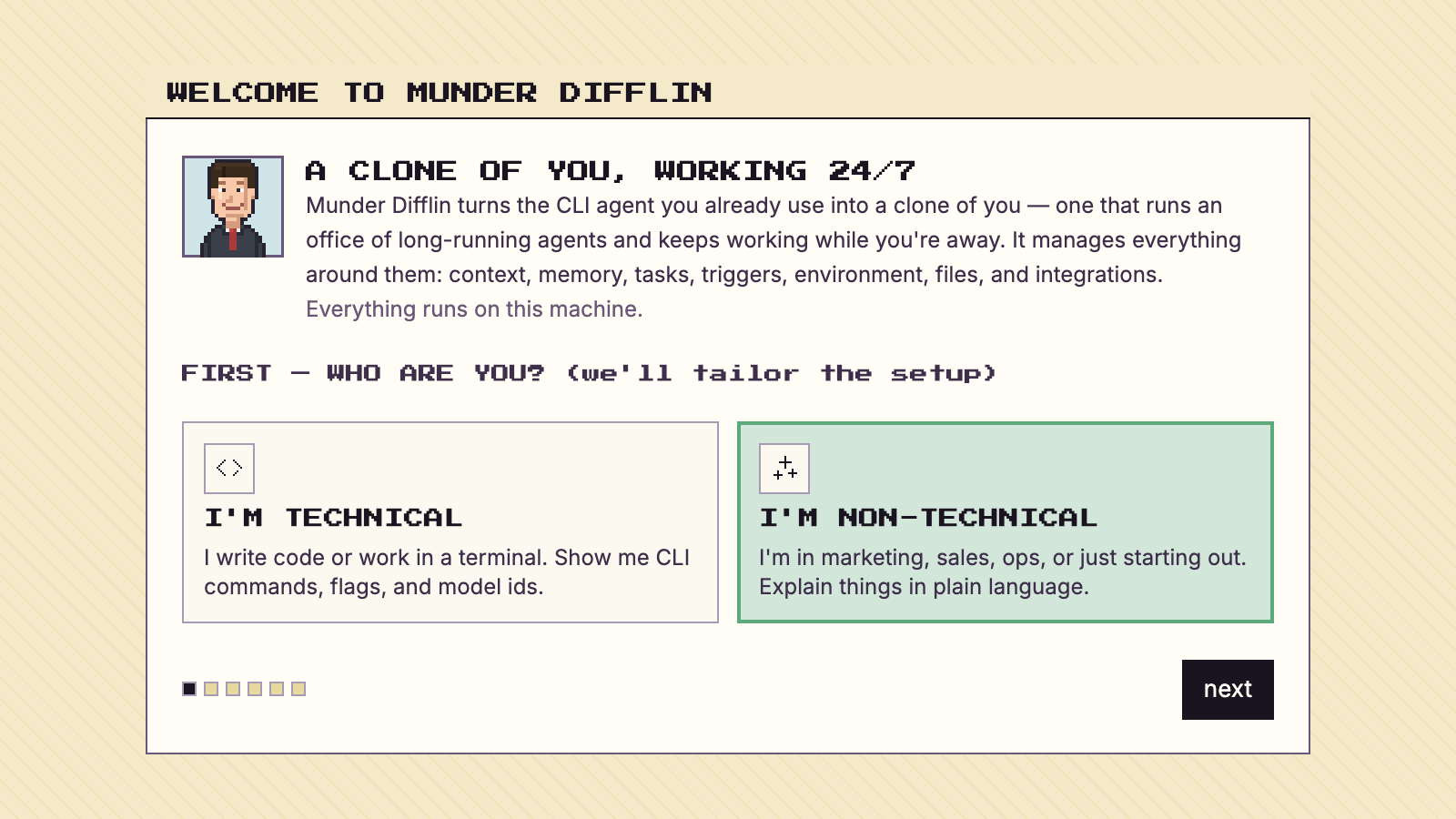
A minute-by-minute walkthrough of your first hour with Munder Difflin: install, the onboarding wizard, your first brief to Michael, watching the floor, approving your first escalation, and leaving a schedule running.
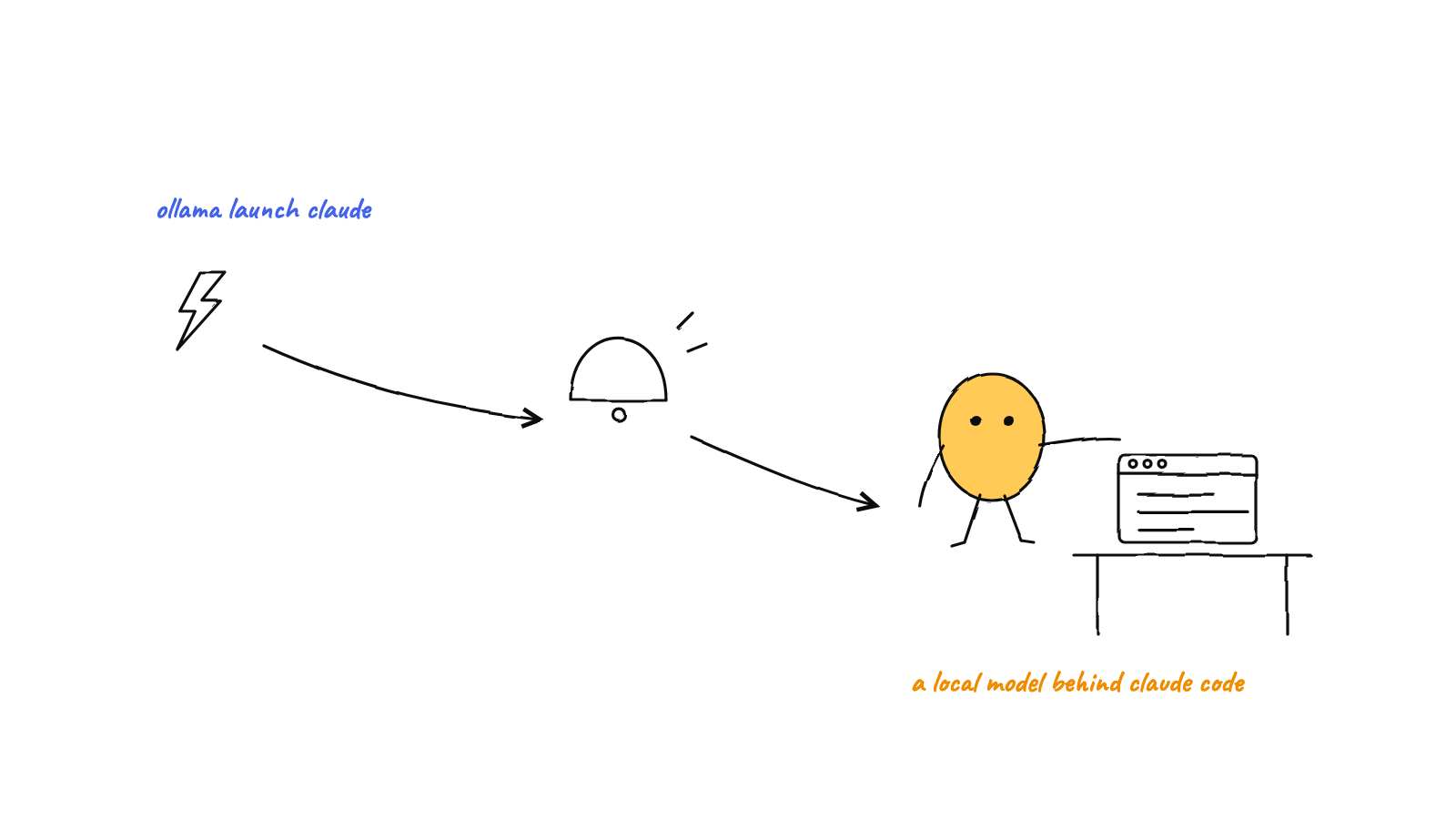
A step-by-step guide to running a whole Munder Difflin hive offline on an Apple Silicon Mac Mini — how to size models to your unified memory, install Ollama or LM Studio, and wire OpenCode and Crush to a local endpoint.
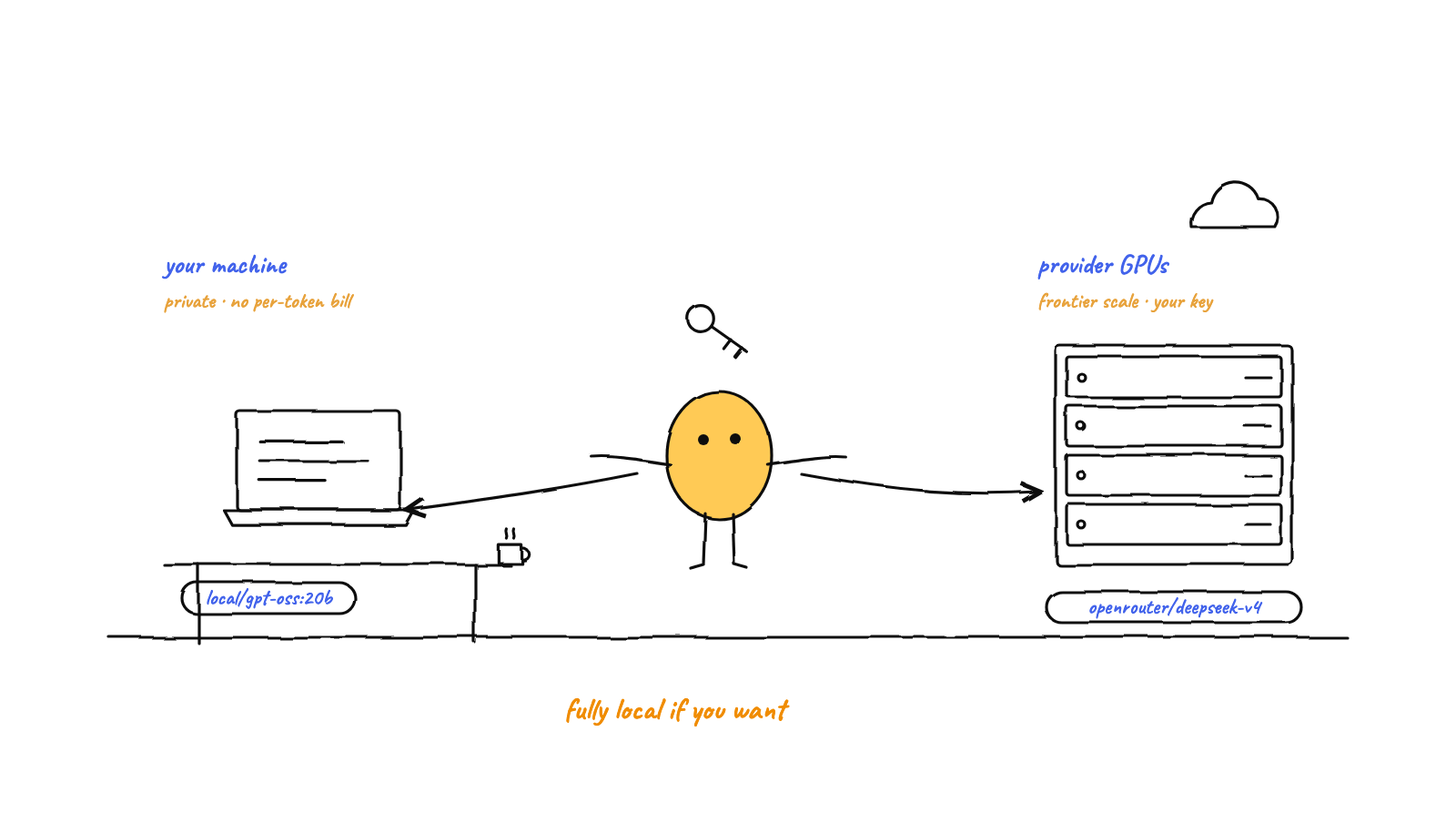
Munder Difflin v0.3.1 runs your agent floor on open-weight models — gpt-oss, Qwen3, DeepSeek, Llama, Mistral, GLM, Kimi — either fully local (Ollama/LM Studio/vLLM) or through a third-party OSS provider. Here's how to wire each across the OpenCode, Crush, and pi engines.
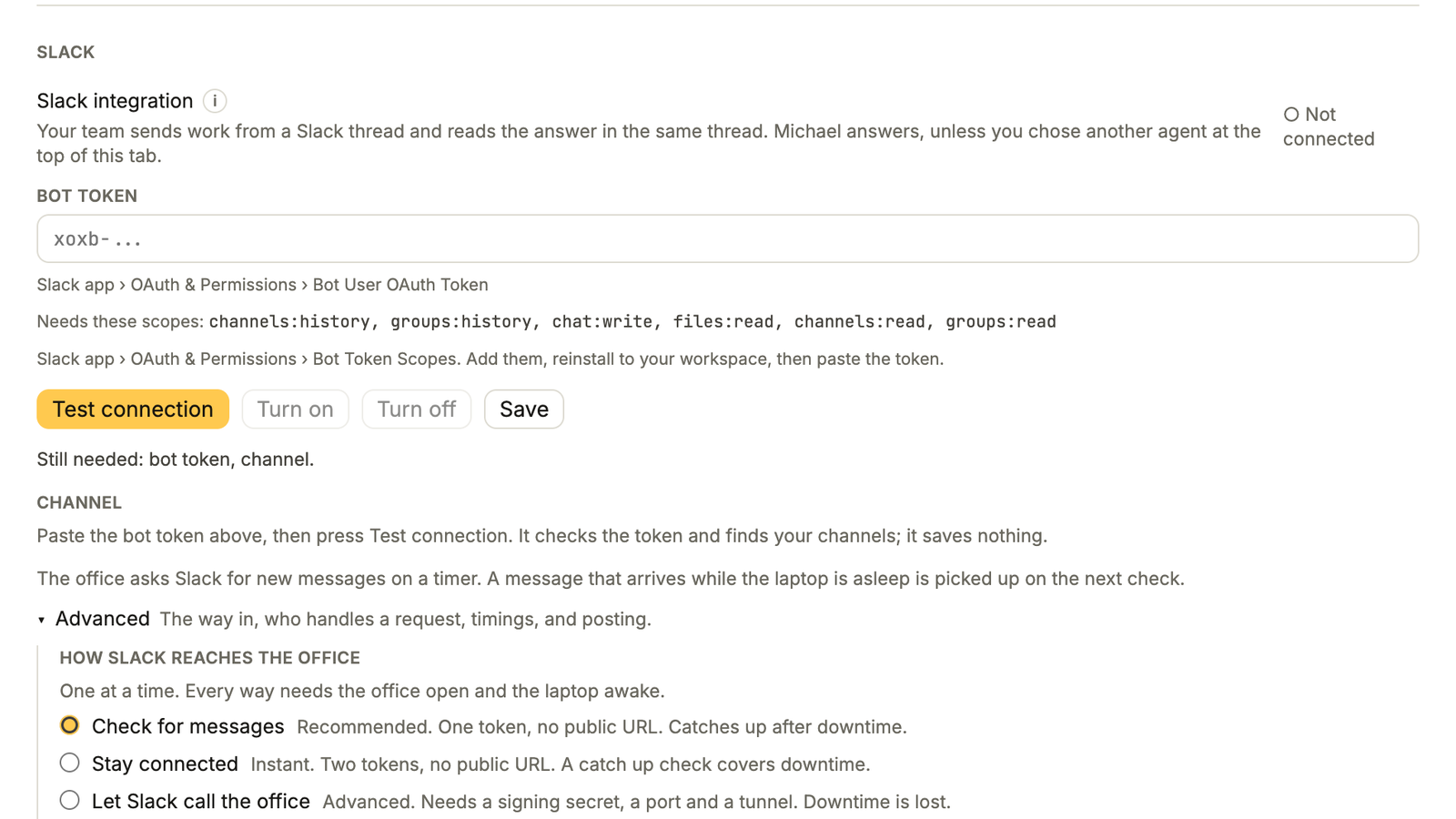
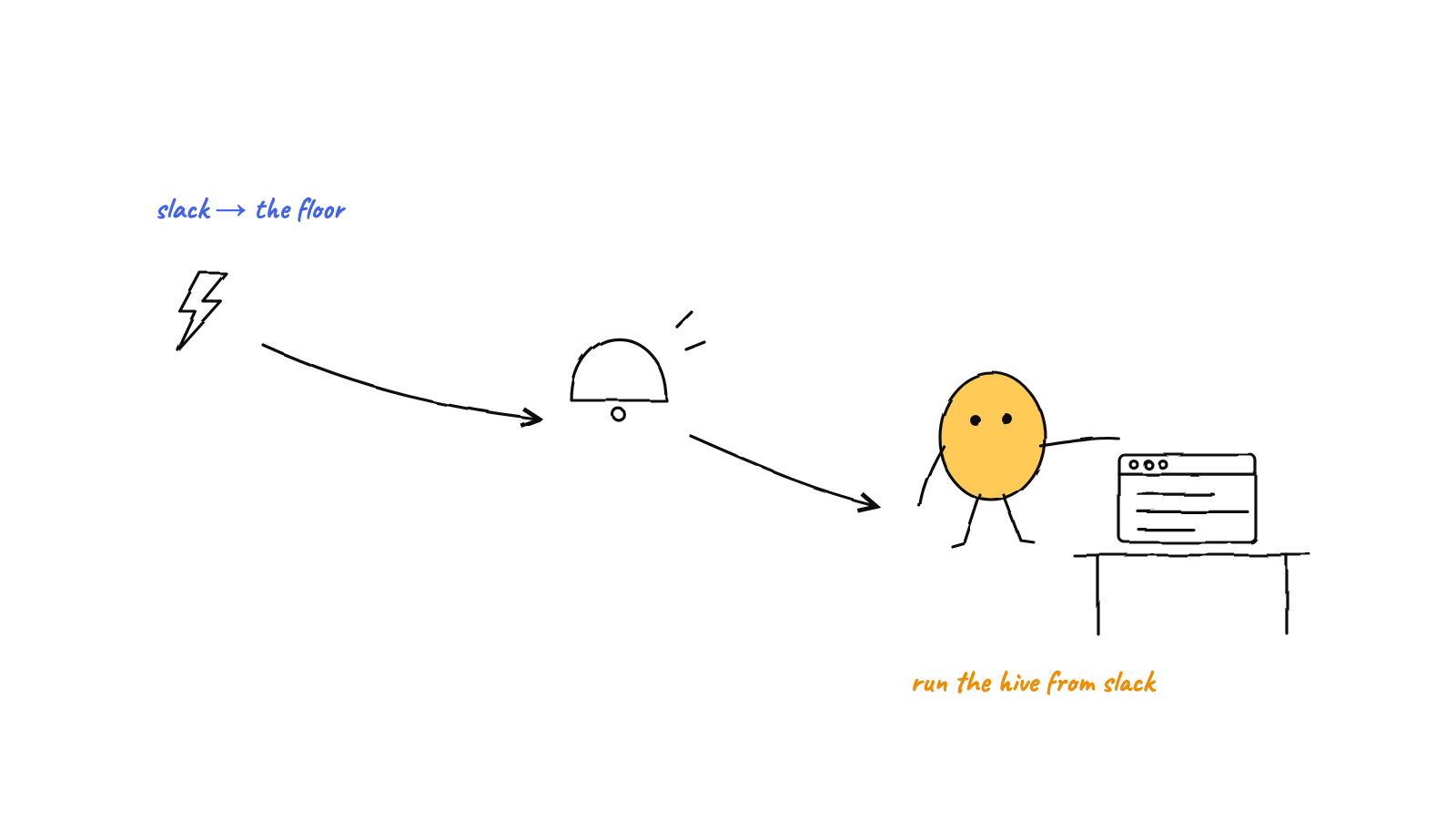
Step-by-step setup for driving Munder Difflin's AI agent hive from Slack: create the app, set scopes, paste the tunnel Request URL, and @mention your bot to start work — done-summaries post back in-thread.
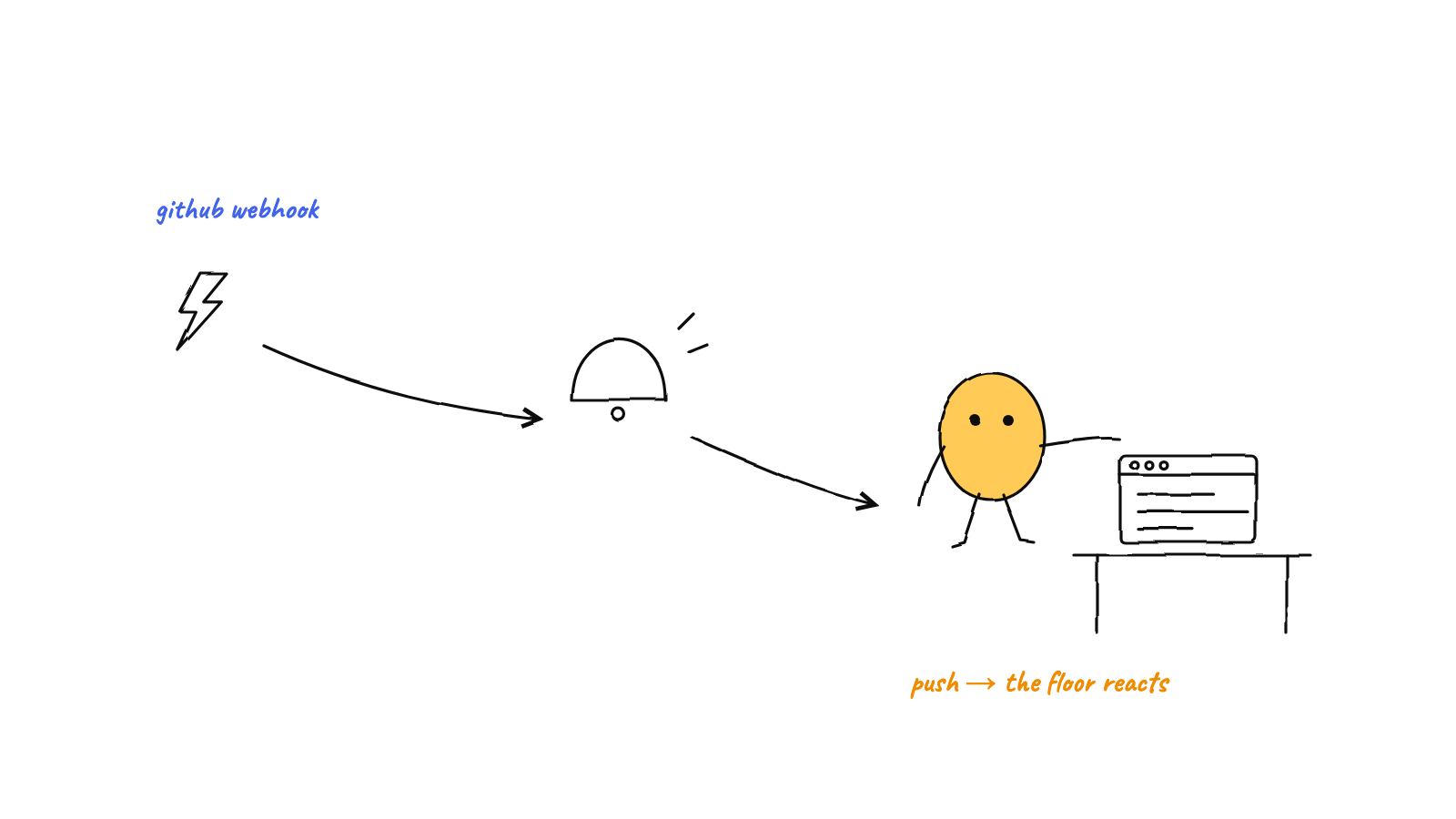
Wire a GitHub webhook to Munder Difflin: a secret-gated local endpoint turns each repo event into a task for your GOD orchestrator — POST a message, get a token, poll the result. No server to host.
A comprehensive guide to every change in Munder Difflin v0.2.4 — how the Codex lifecycle-hook bridge achieves full hive parity, what the Schedules tab adds, why tunnelmole replaced localtunnel, and what else shipped.
From June 15, 2026 the Claude Agent SDK gets a separate credit. Munder Difflin drives the native Claude Code CLI, so your hive runs on your plan as before.
Install Munder Difflin on macOS, Windows, or Linux and put a hive of Claude Code agents to work on ambitious, long-horizon tasks — start to finish.
How the Model Context Protocol gets attacked — tool poisoning, rug pulls, command injection — and the layered defenses that secure your MCP tools.
Caching, batching, model tiering, context discipline, local-first — the five levers that cut a multi-agent fleet's bill, and how they compound.
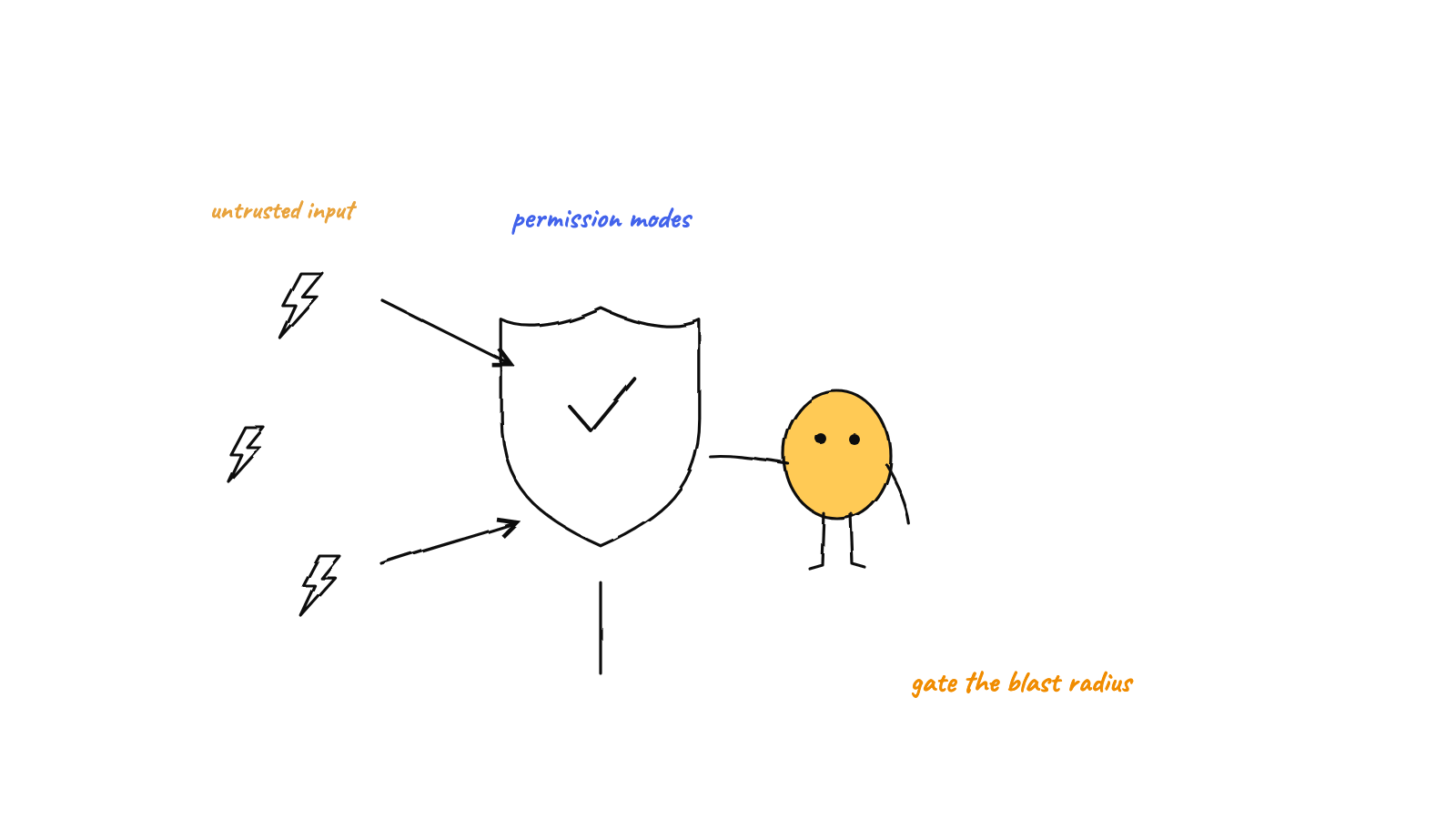
How to run autonomous AI agents safely: permission modes and the bypassPermissions foot-gun, workspace isolation, and what to gate vs. allow.
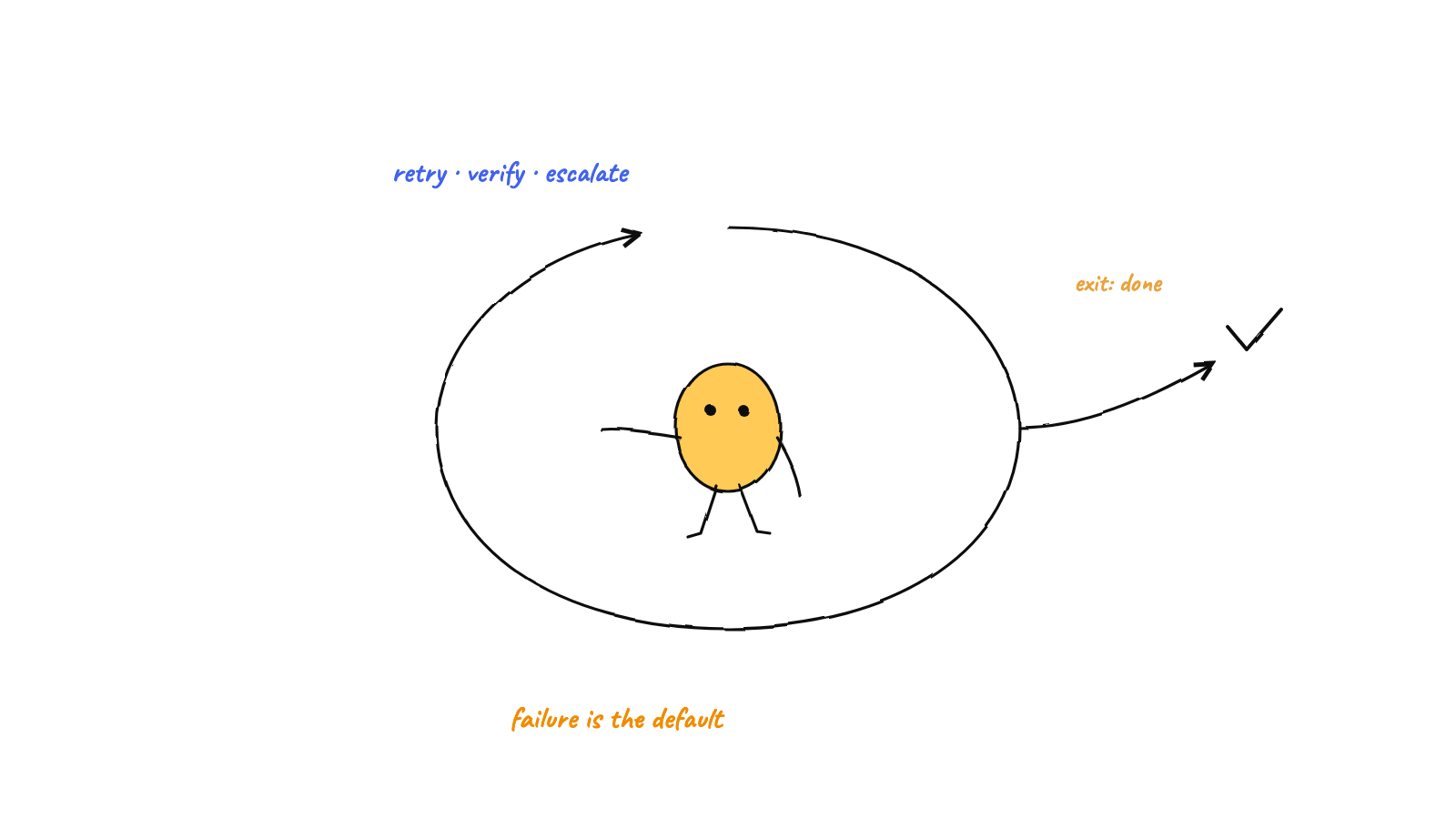
Agents fail constantly: tools error, steps stall, output goes wrong. Reliability isn't avoiding failure — it's making each one contained and recoverable.
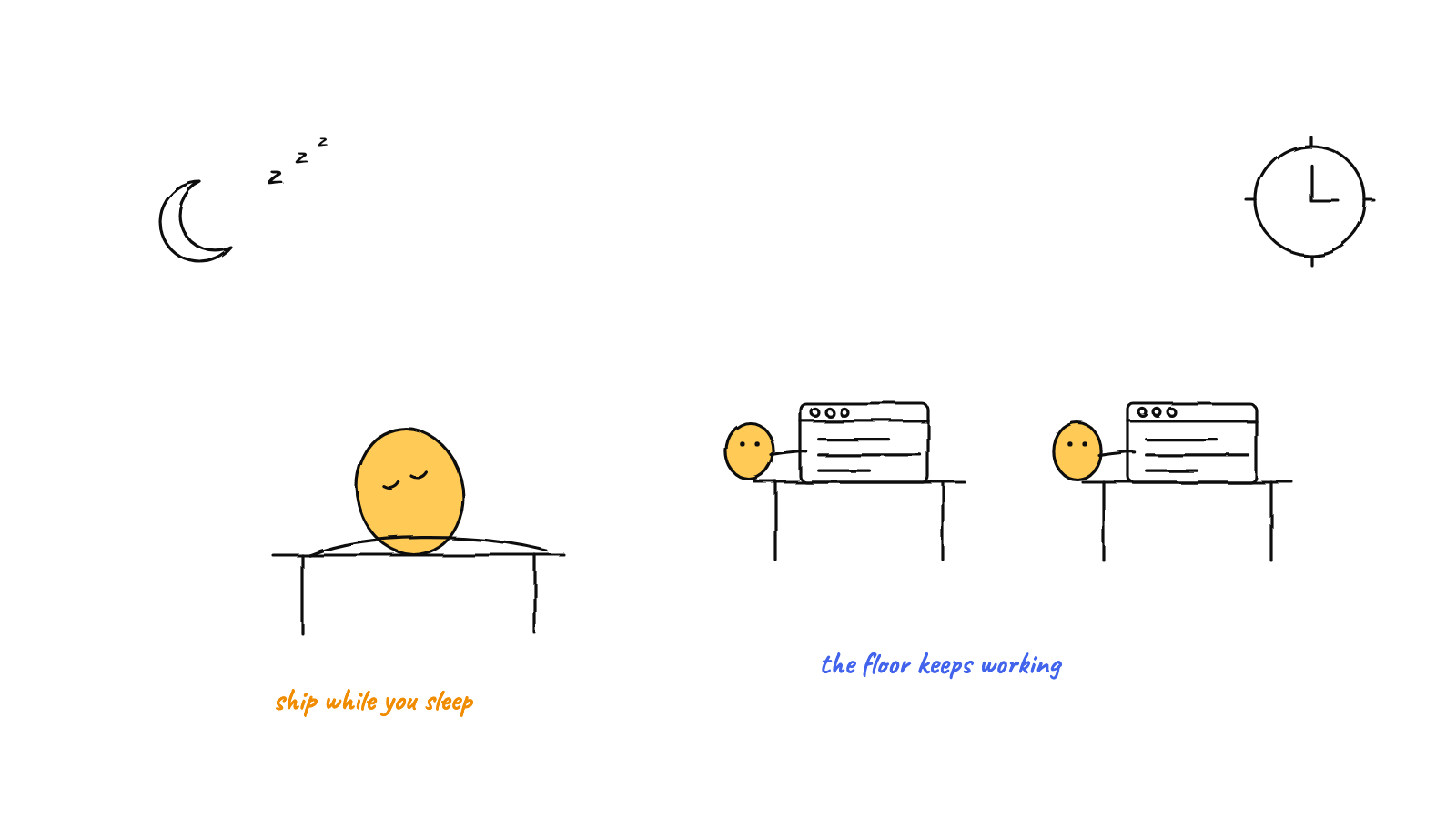
Claude Code automation that runs overnight: an autonomous Stop-hook loop, safe permission bypass, and guardrails so you wake up to progress, not chaos.
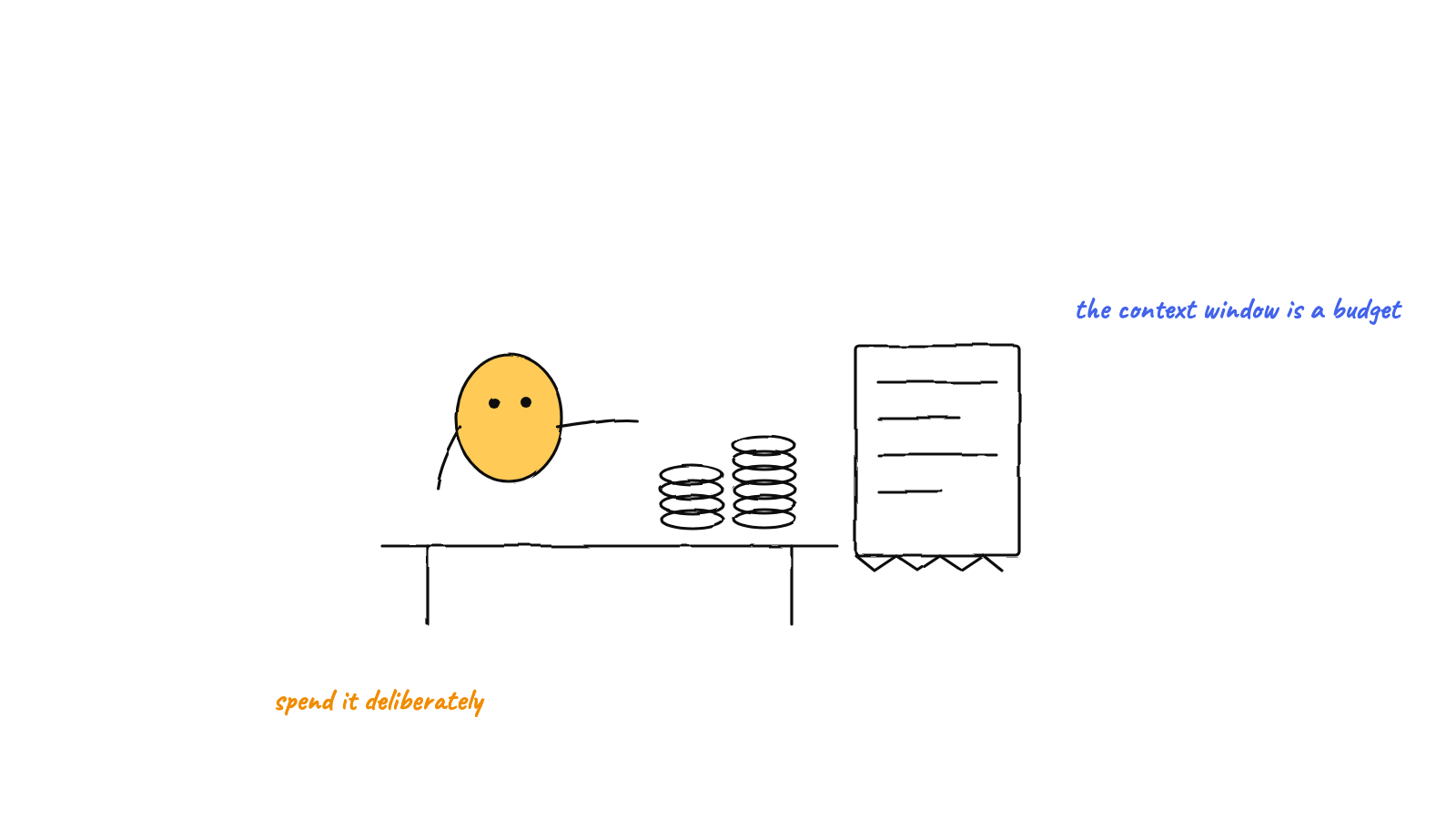
Why context engineering beats prompt wording for agents — and the tactics (isolation, retrieval, externalized state, compaction) that keep the window lean.
How to debug a multi-agent system: use the event log, per-agent terminals, message trails, and git history to find why a hive of AI agents went sideways.
How to measure whether an AI agent is reliable enough to trust: reliability thresholds, why benchmarks overstate, and evaluating on your own codebase.
How to approve what AI agents do without a parallel approval queue: native permission prompts, routing 'to: human' to the orchestrator, remote approval.
An agent re-sends the same prompt, tools, and context every turn. Prompt caching makes you pay for that prefix once — here's how to design for it.
How to run AI coding agents safely: contain the blast radius, scope every task, treat agent input as untrusted, and gate the irreversible behind a human.
How a small team adopts a hive of AI coding agents without chaos — the roles to assign, the cadence to run, and the guardrails that keep it safe.
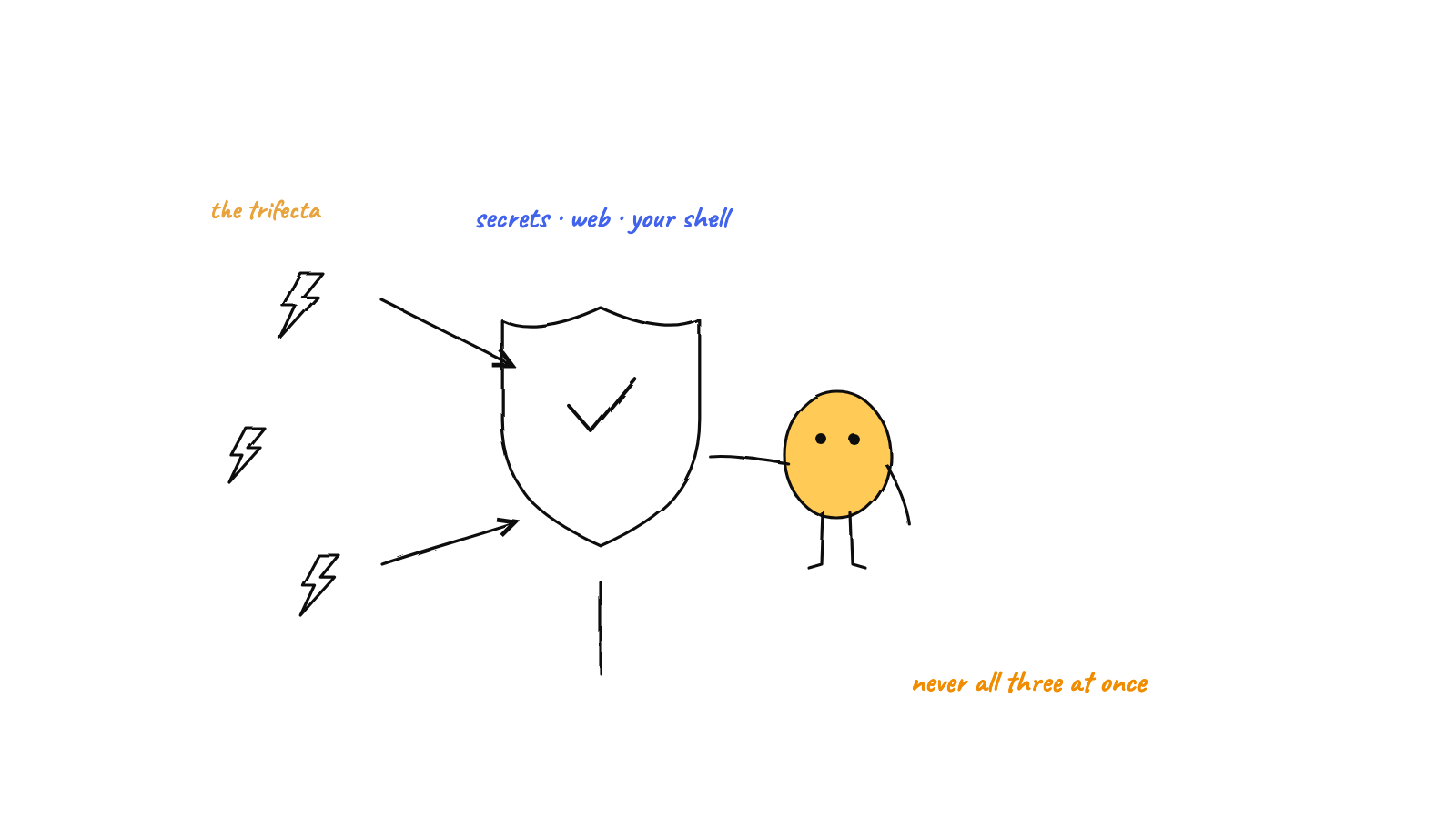
A coding agent reads private code, ingests untrusted content, and runs commands — the lethal trifecta. How a poisoned dependency leaks your secrets.
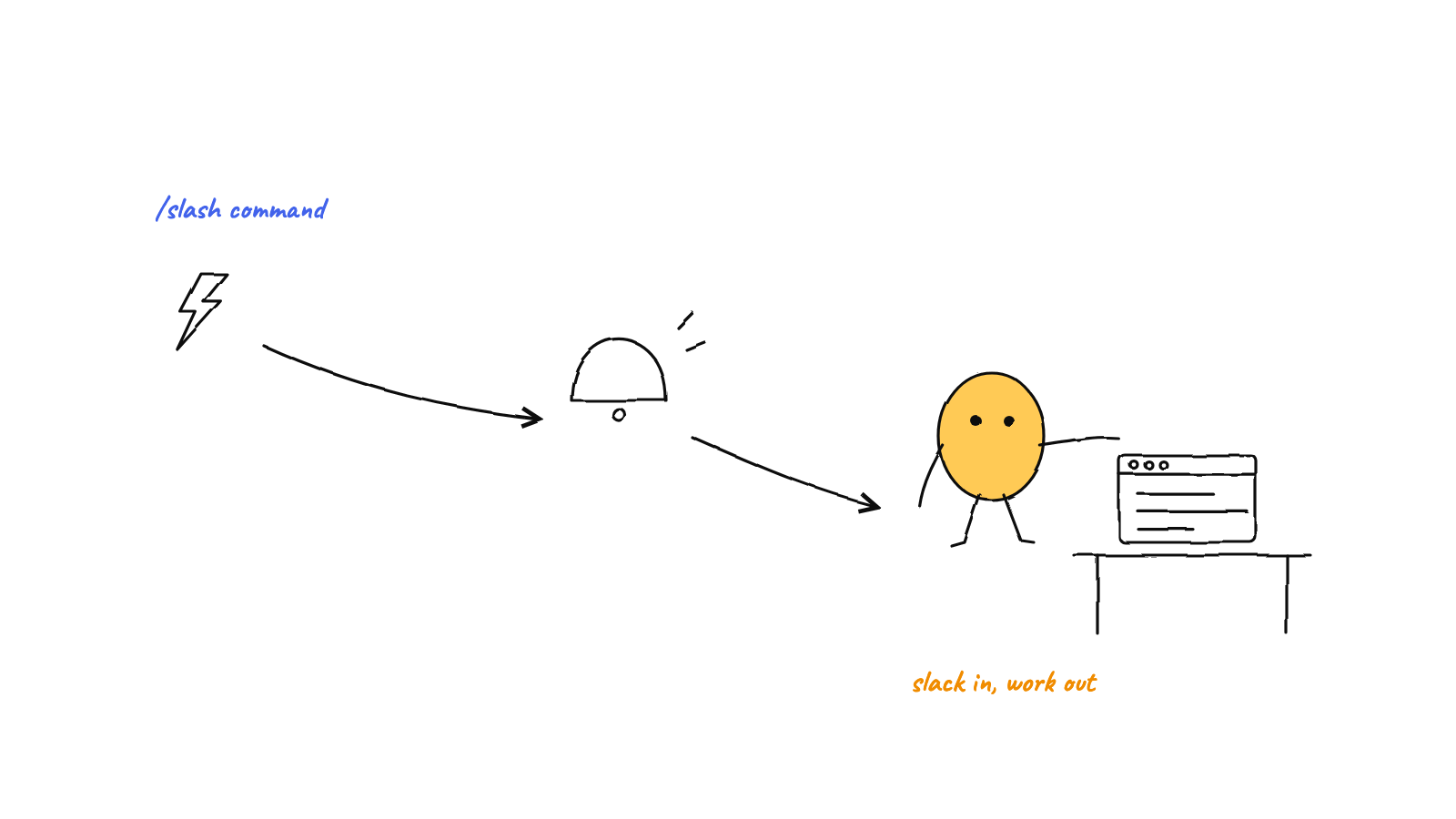
Trigger an AI agent hive from Slack: a local webhook verifies each message and drops it into your orchestrator's queue as a task — no server to host.
A grounded June 2026 roundup of agentic AI: Claude Opus 4.8, the MCP and A2A protocol layer, usage-based agent billing, and agent governance.
How agents in a hive inherit your existing Claude Code MCP servers, skills, and tools — and how to scope which agent gets which capability.
Run several Claude Code agents in parallel without the chaos: give each a role, let them coordinate, and stop alt-tabbing between terminal windows.
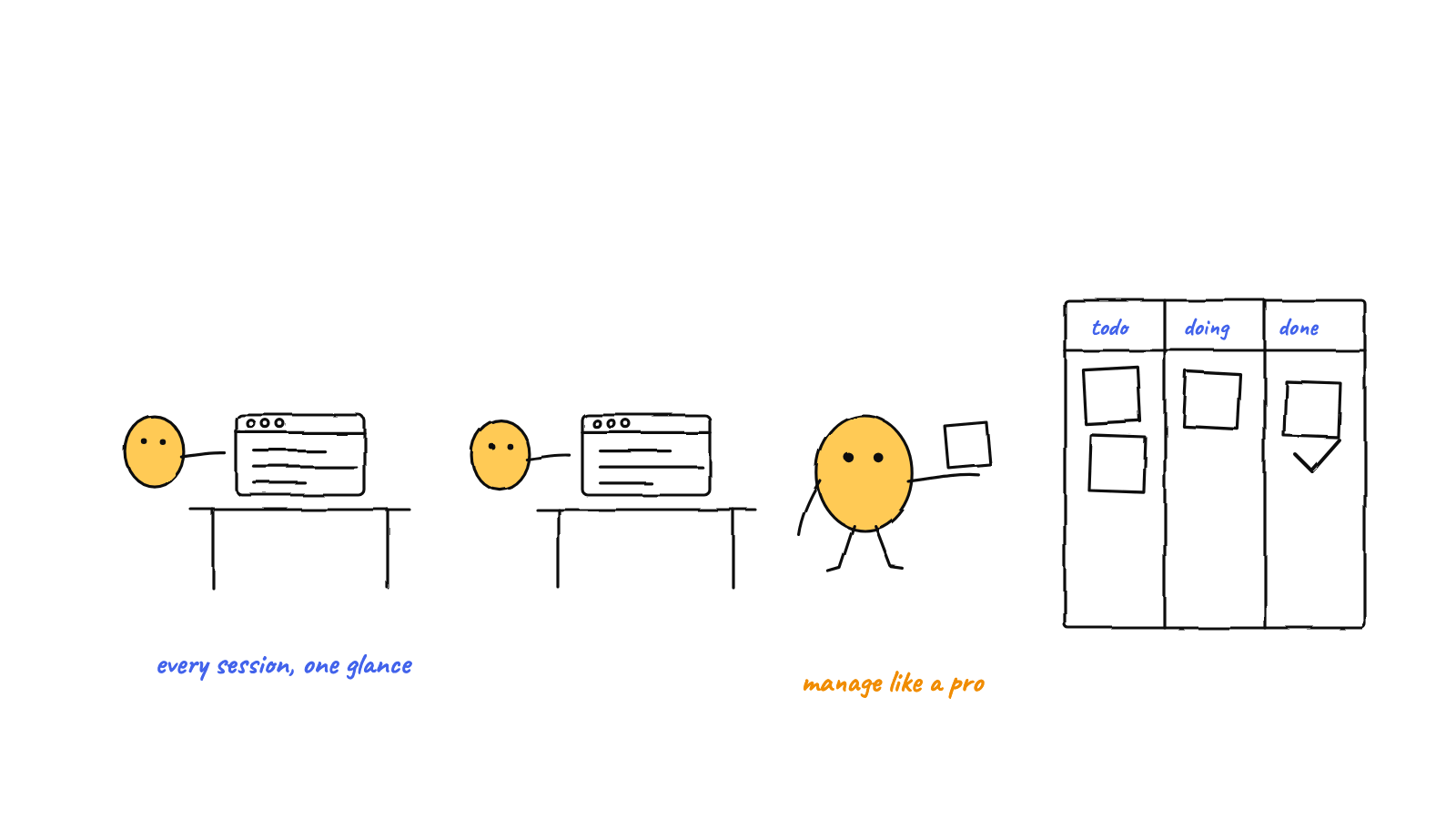
Tactics to manage multiple Claude Code sessions without losing track: naming, roles, context isolation, and when a harness beats juggling terminal tabs.
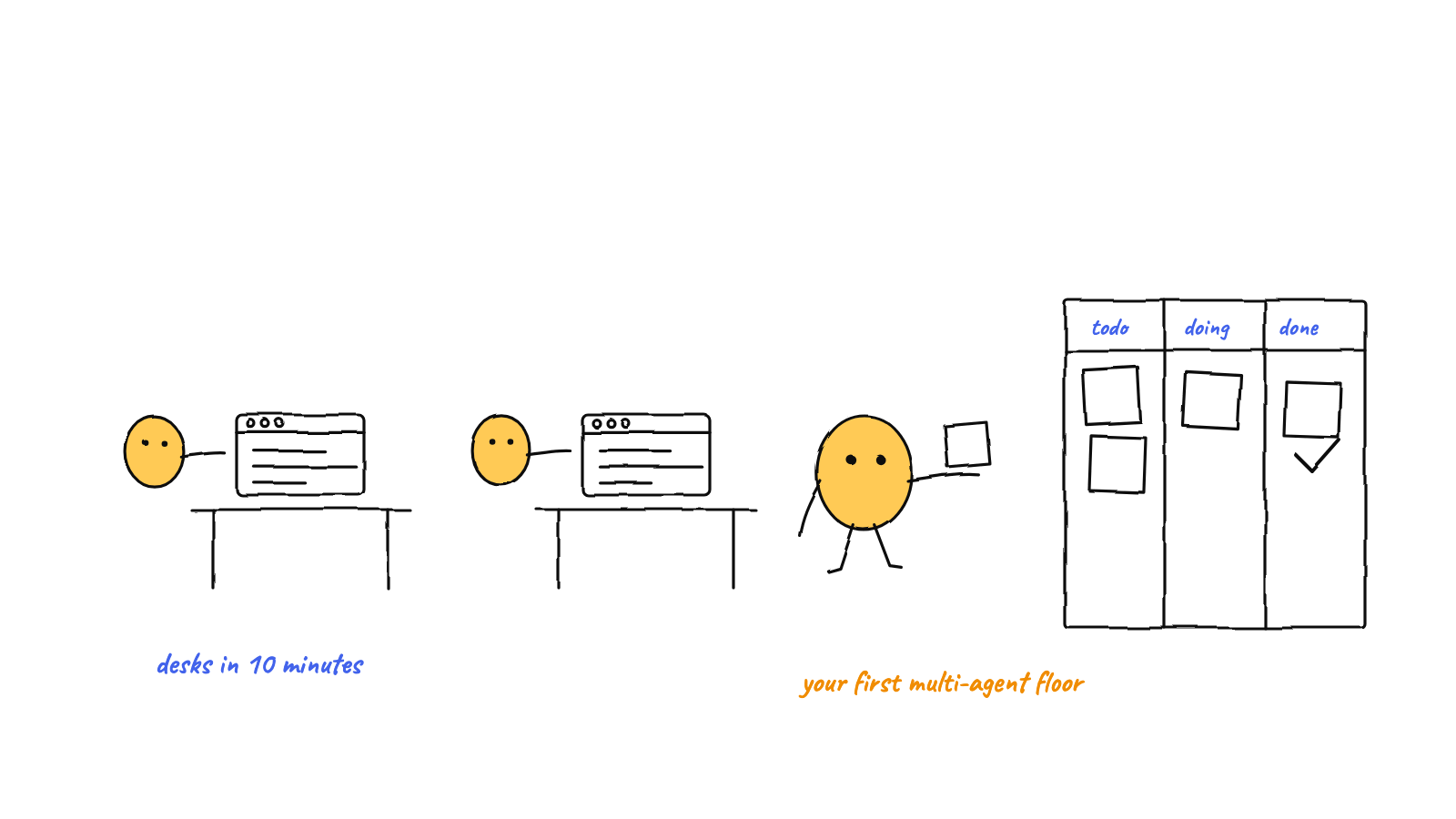
A from-zero Claude Code multi-agent setup: install Munder Difflin, onboard, spawn a few agents, and watch the GOD orchestrator route your first task.
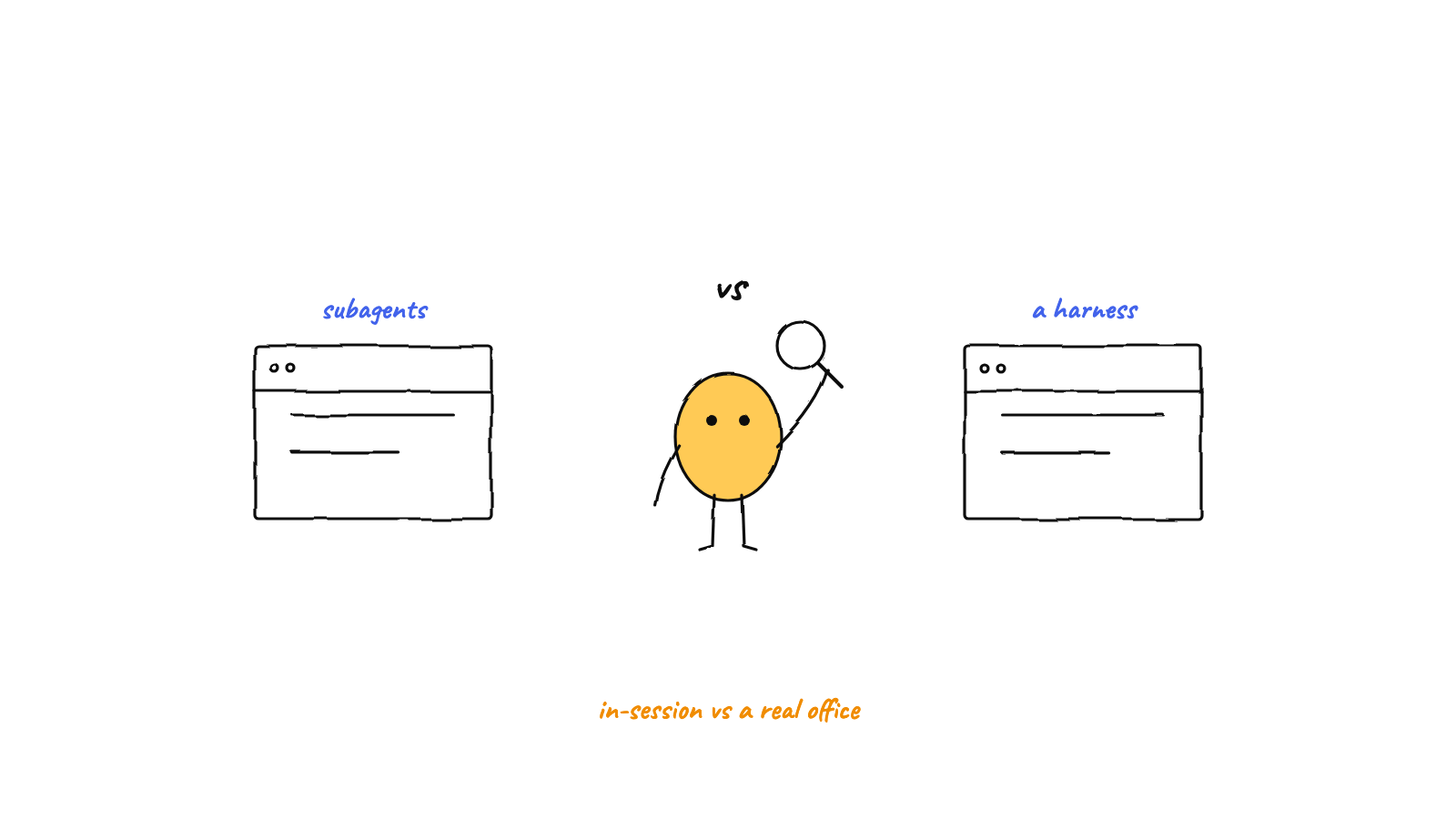
Claude Code subagents vs a multi-agent harness: where subagents stop and a harness with shared memory, messaging, and an orchestrator takes over.