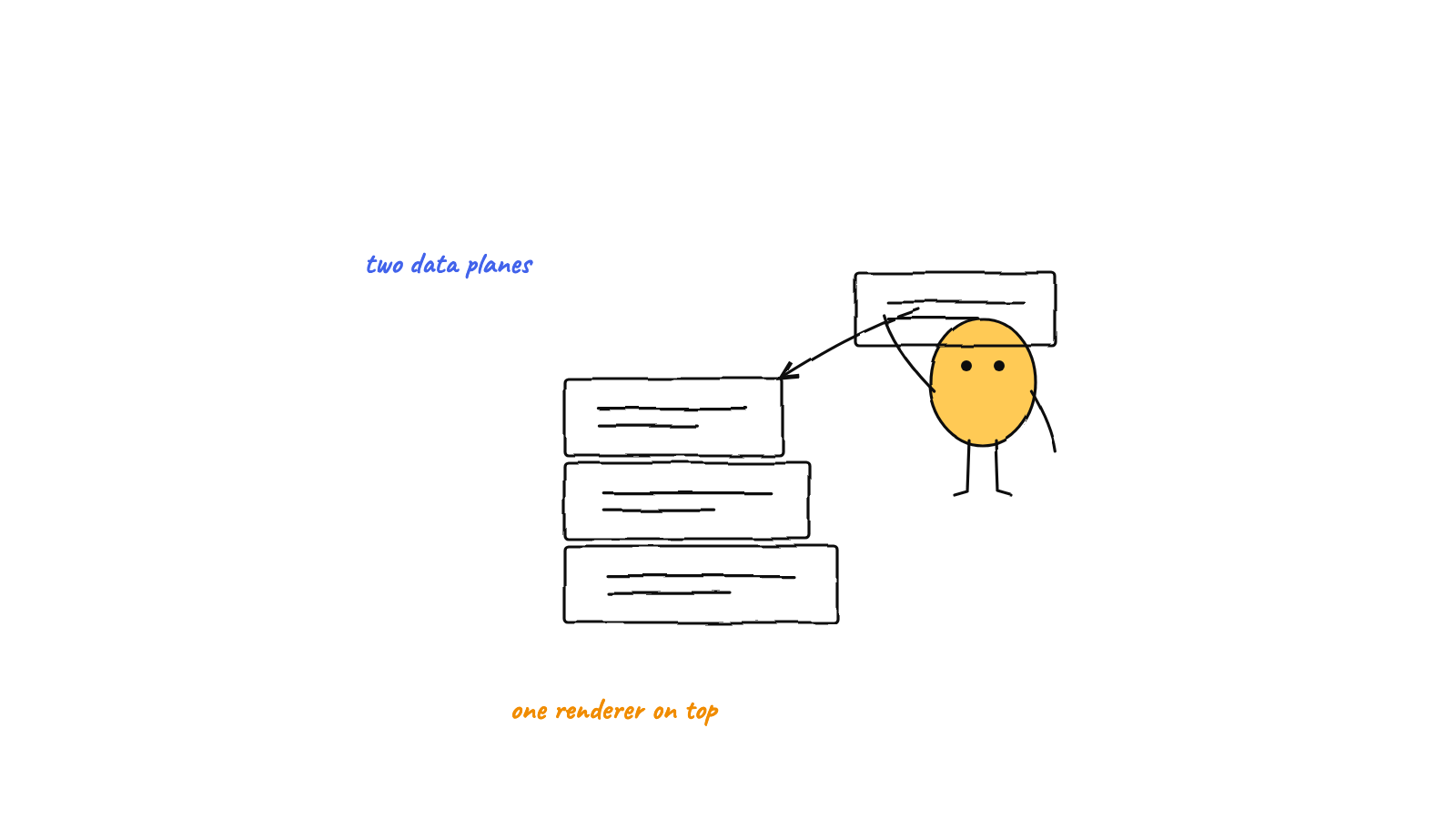
Munder Difflin's Architecture: Two Data Planes, One Renderer
A walkthrough of the multi-agent harness architecture: a node-pty terminal plane and a hooks/hive event plane feeding one React + Pixi.js renderer.
Topic
10 posts in this cluster.
A walkthrough of the multi-agent harness architecture: a node-pty terminal plane and a hooks/hive event plane feeding one React + Pixi.js renderer.
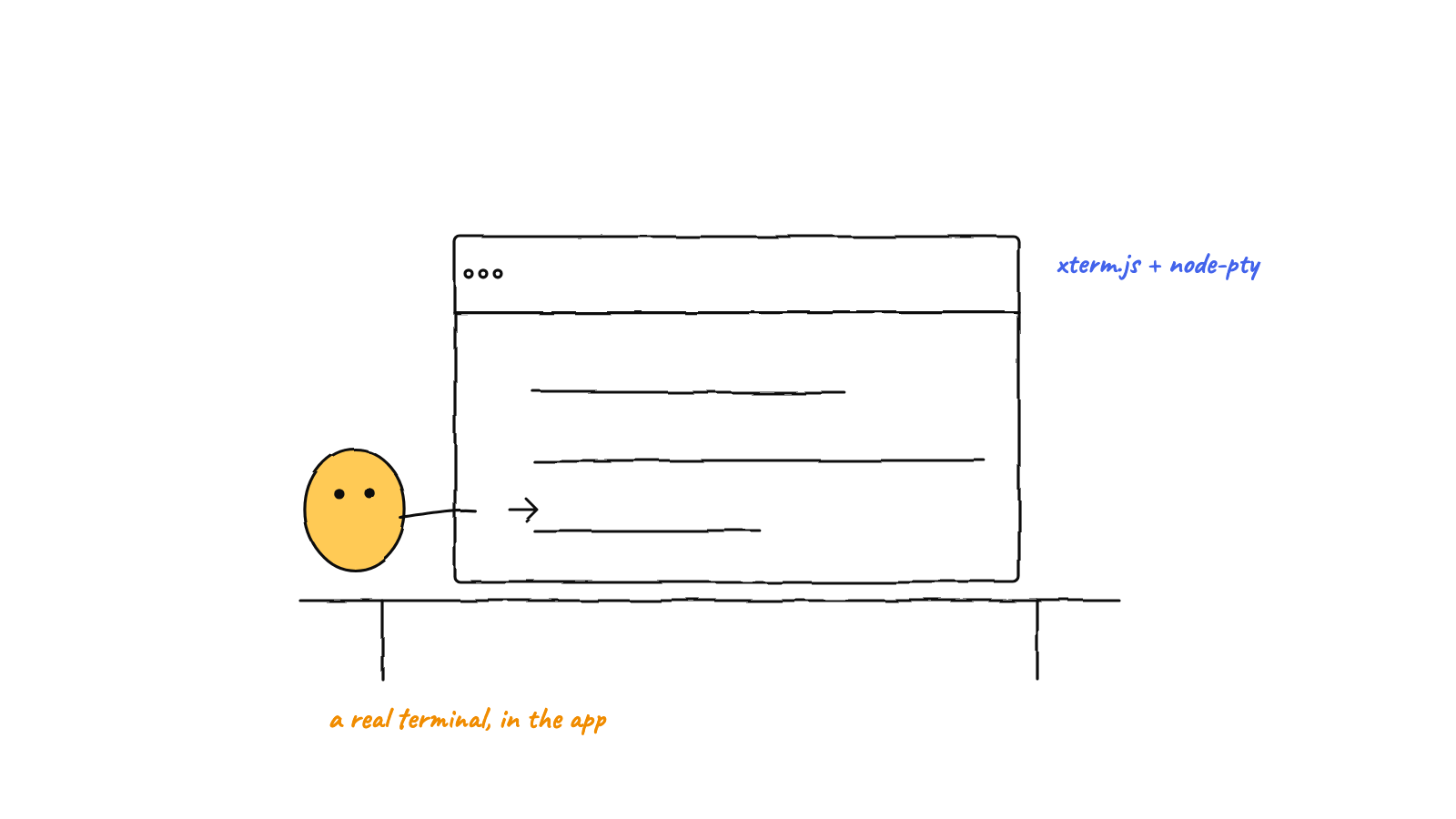
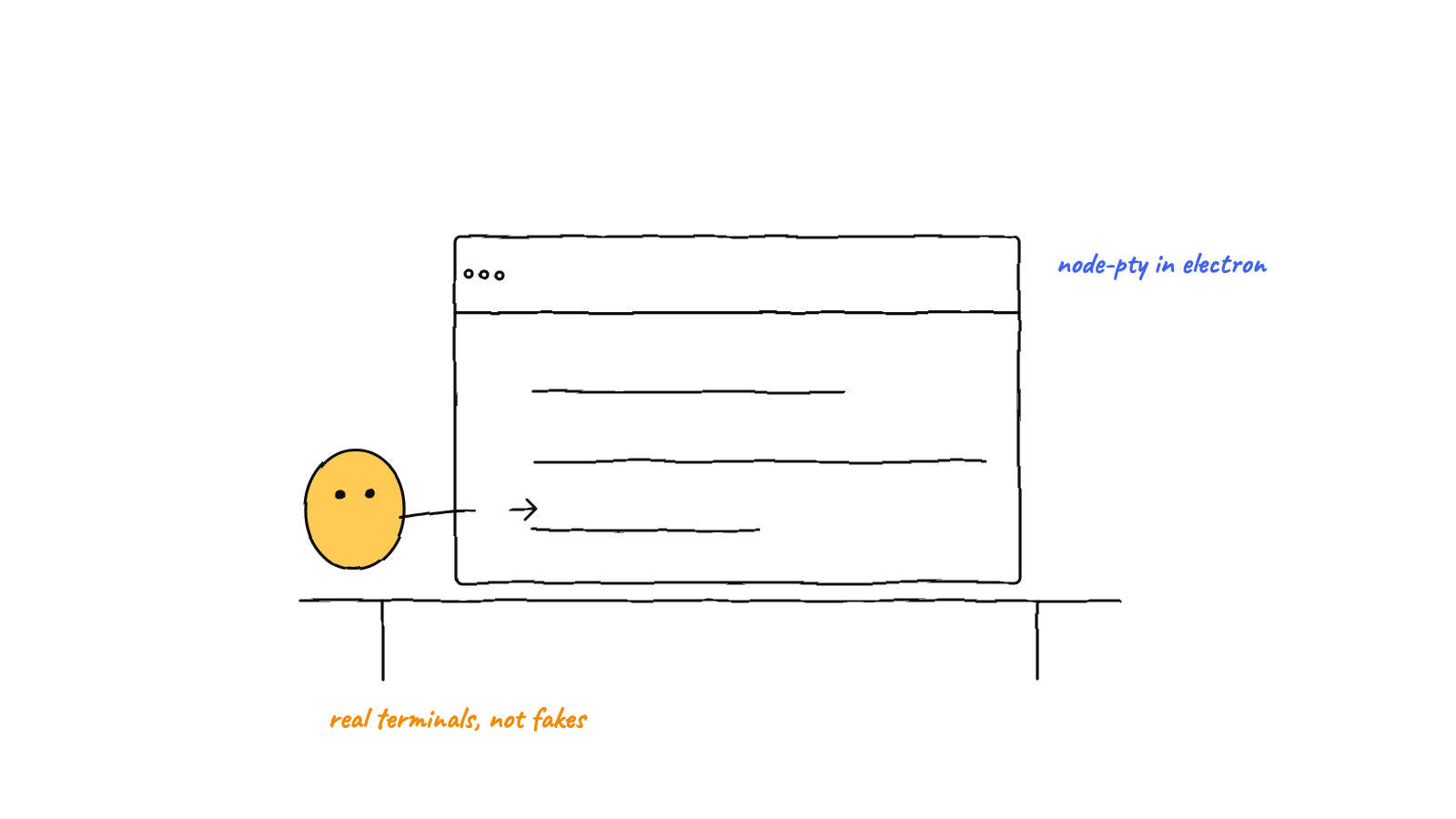
Wire xterm.js to a node-pty backend: stream output, write keystrokes back, handle resize, and keep many live terminals fast with a terminal pool.
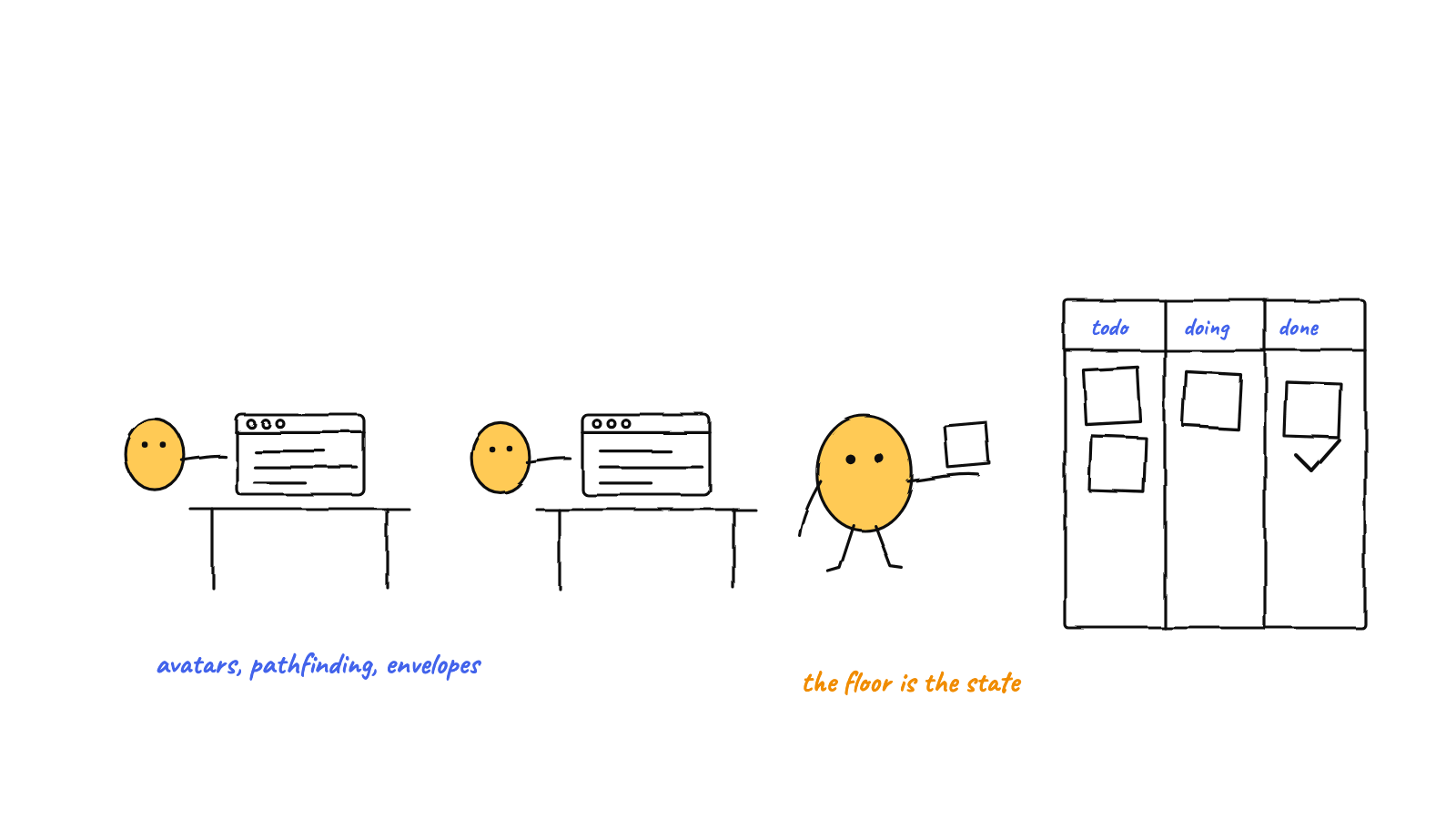
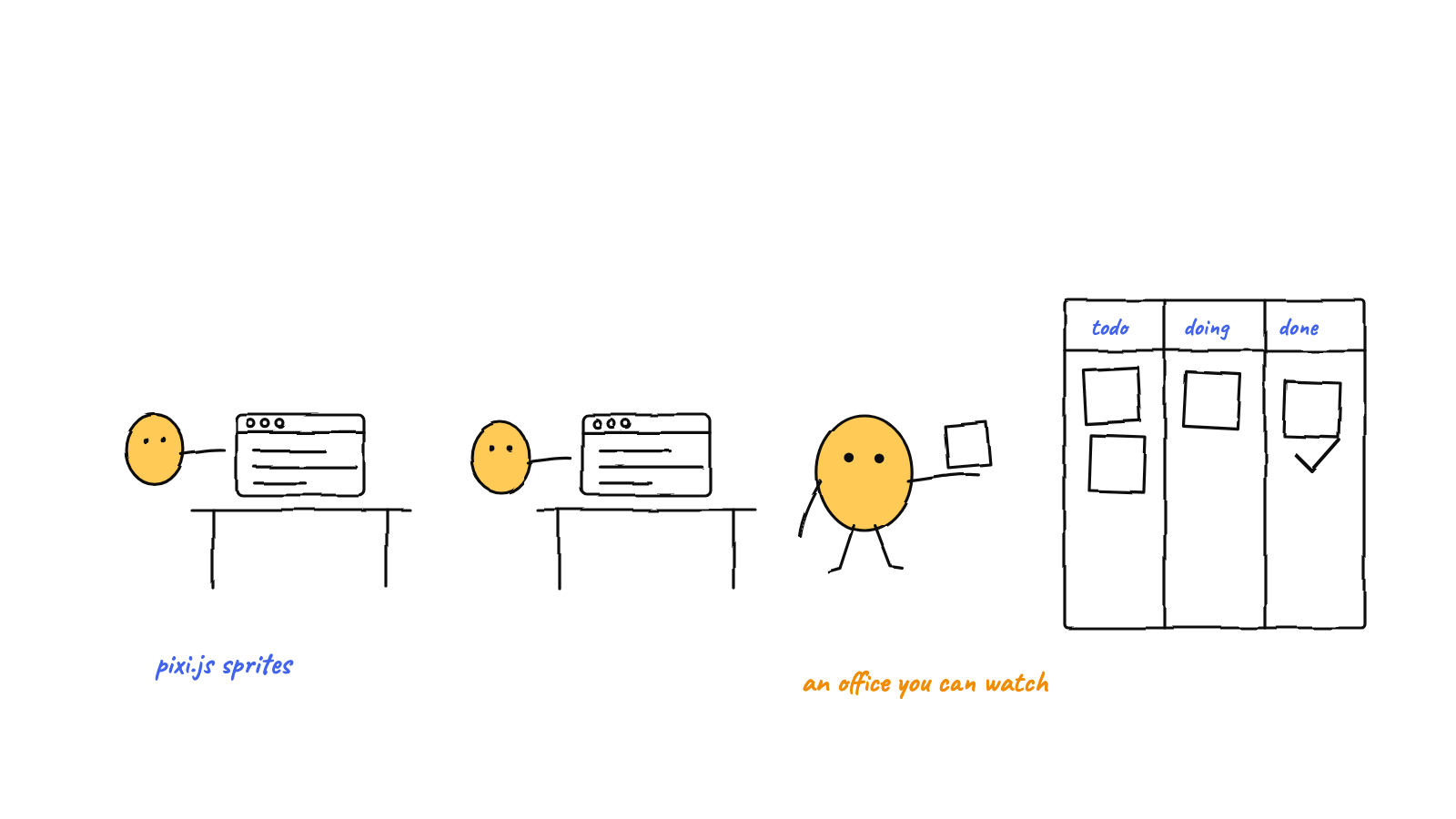
The game-dev techniques behind a dev tool's office floor: Tiled maps, BFS pathfinding, sprite recoloring, and flying message envelopes in Pixi.js.
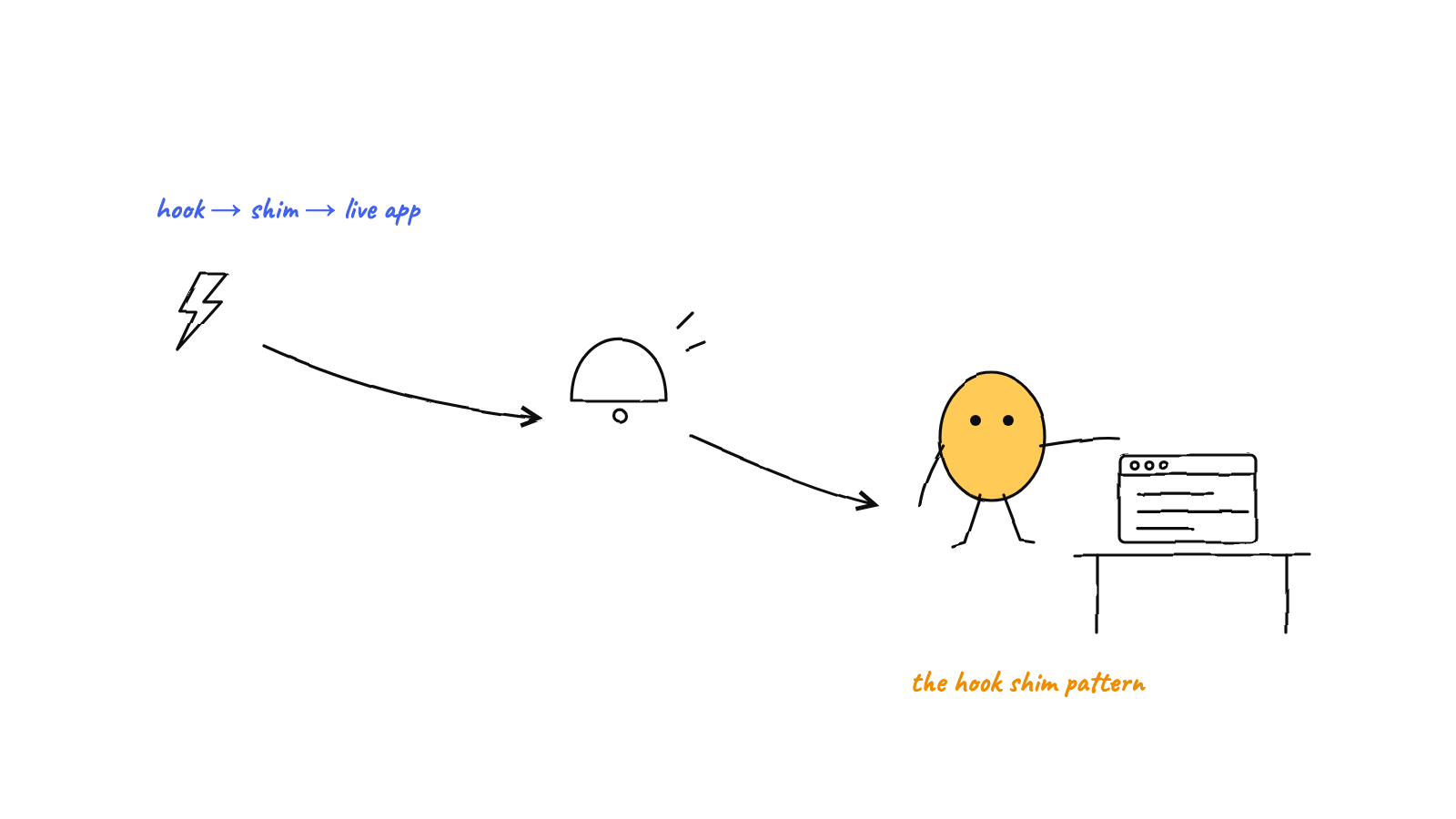
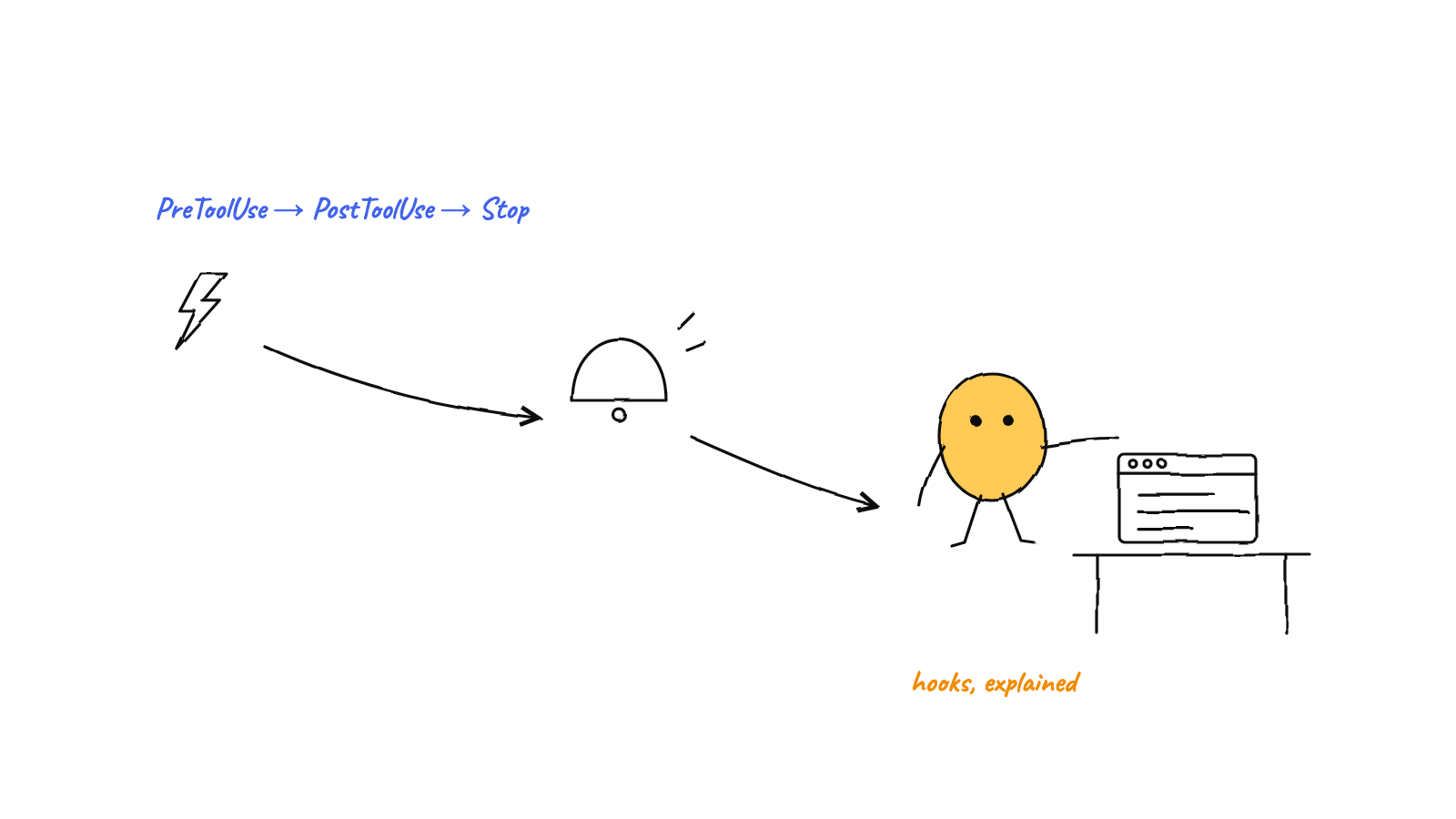
A practical tour of Claude Code hooks — the PreToolUse, PostToolUse, and Stop lifecycle — and how a Unix-socket hook shim drives a live office floor.
How to run byte-for-byte authentic shells inside Electron with node-pty: the native-rebuild gotcha, the macOS PATH trap, and streaming PTY output over IPC.
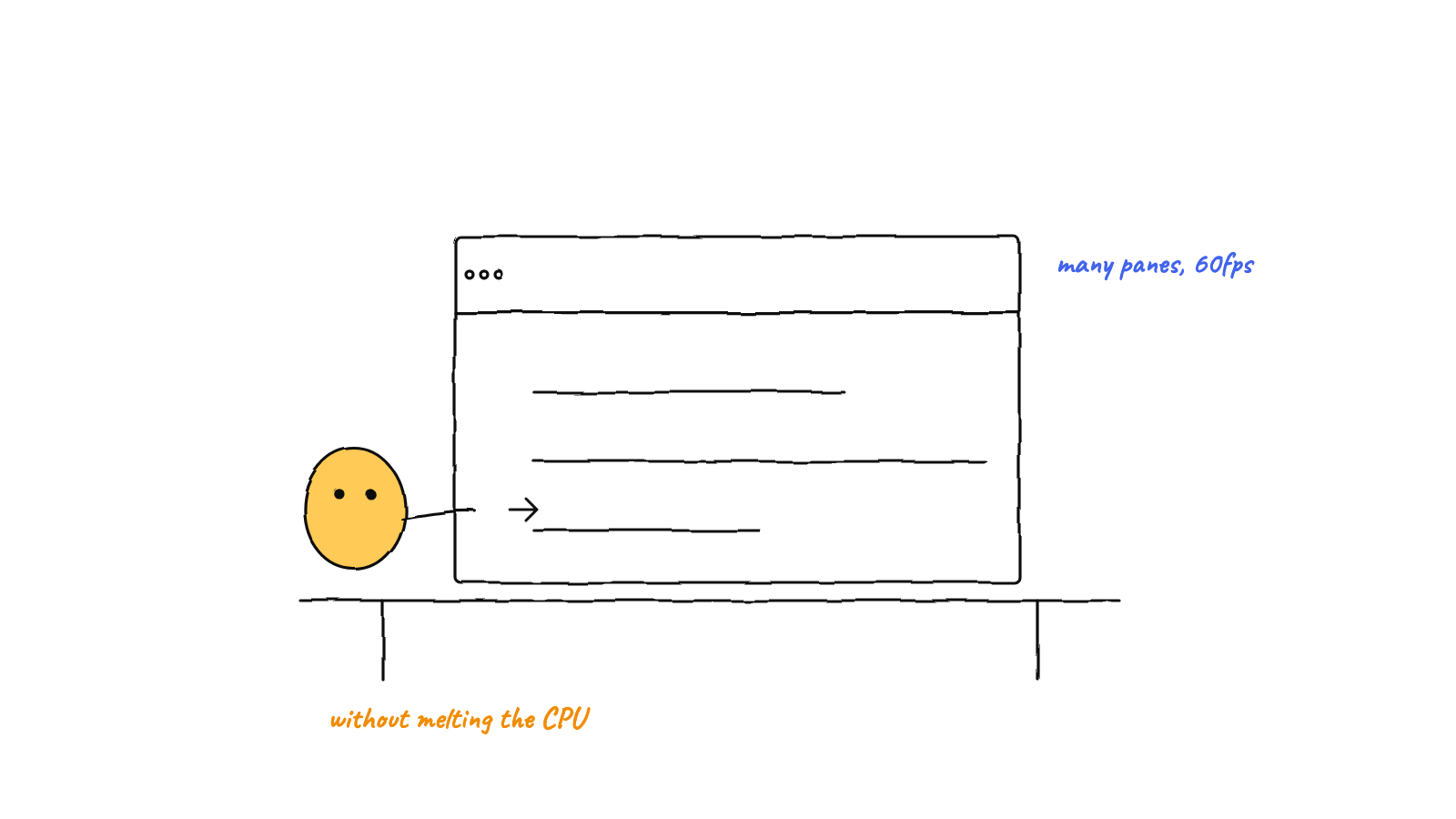
xterm.js performance for many live PTYs: a terminal pool, render-only-visible, smart scrollback, and accelerated rendering to stream dozens at once.
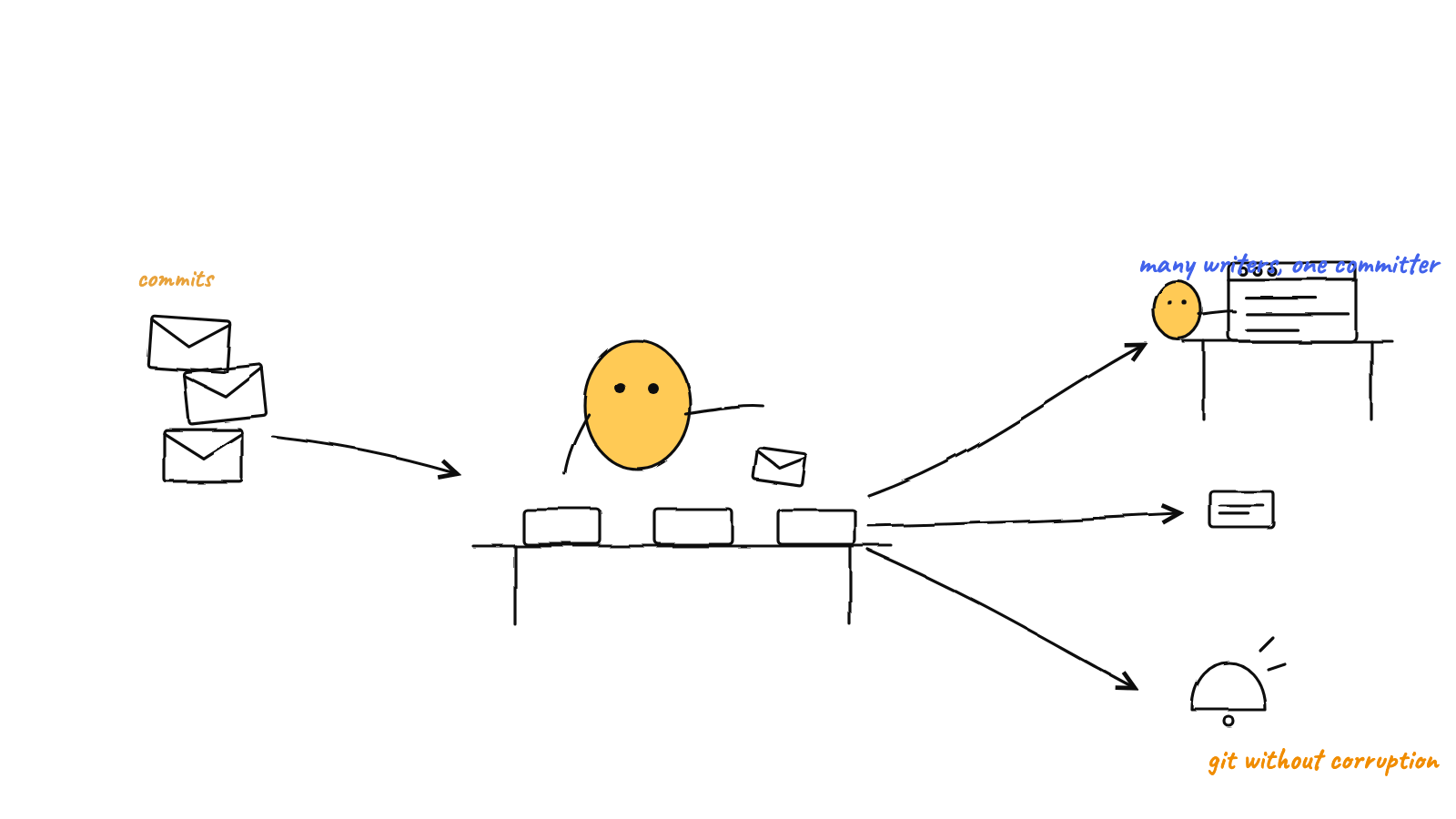
Parallel agents corrupt a repo with index.lock races. The single-committer pattern — agents write, one process commits — fixes concurrent git writes.
How we render AI agents as avatars on a Pixi.js office floor — driven by real hook and message events, with seat assignment, pathing, and flying envelopes.
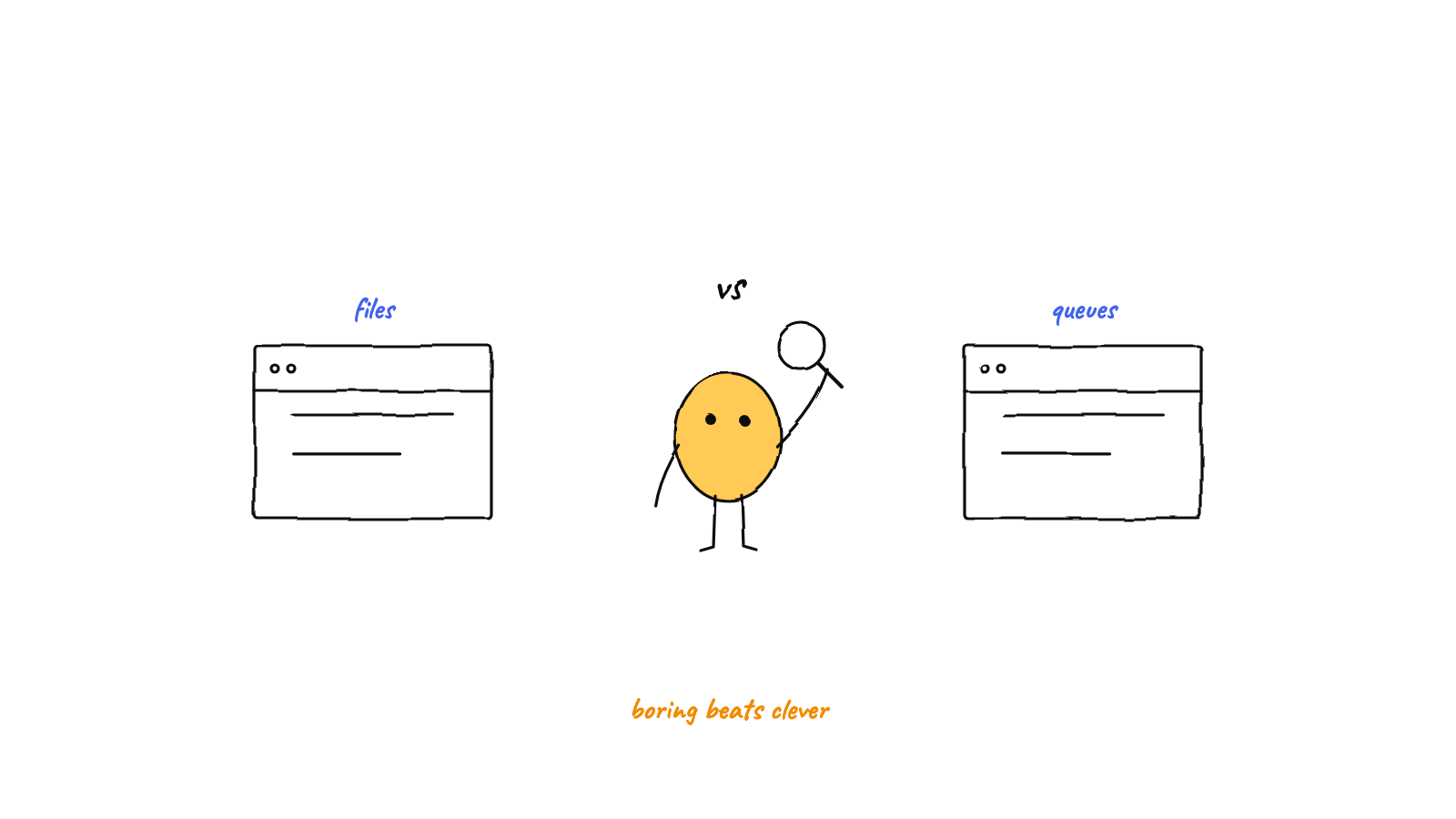
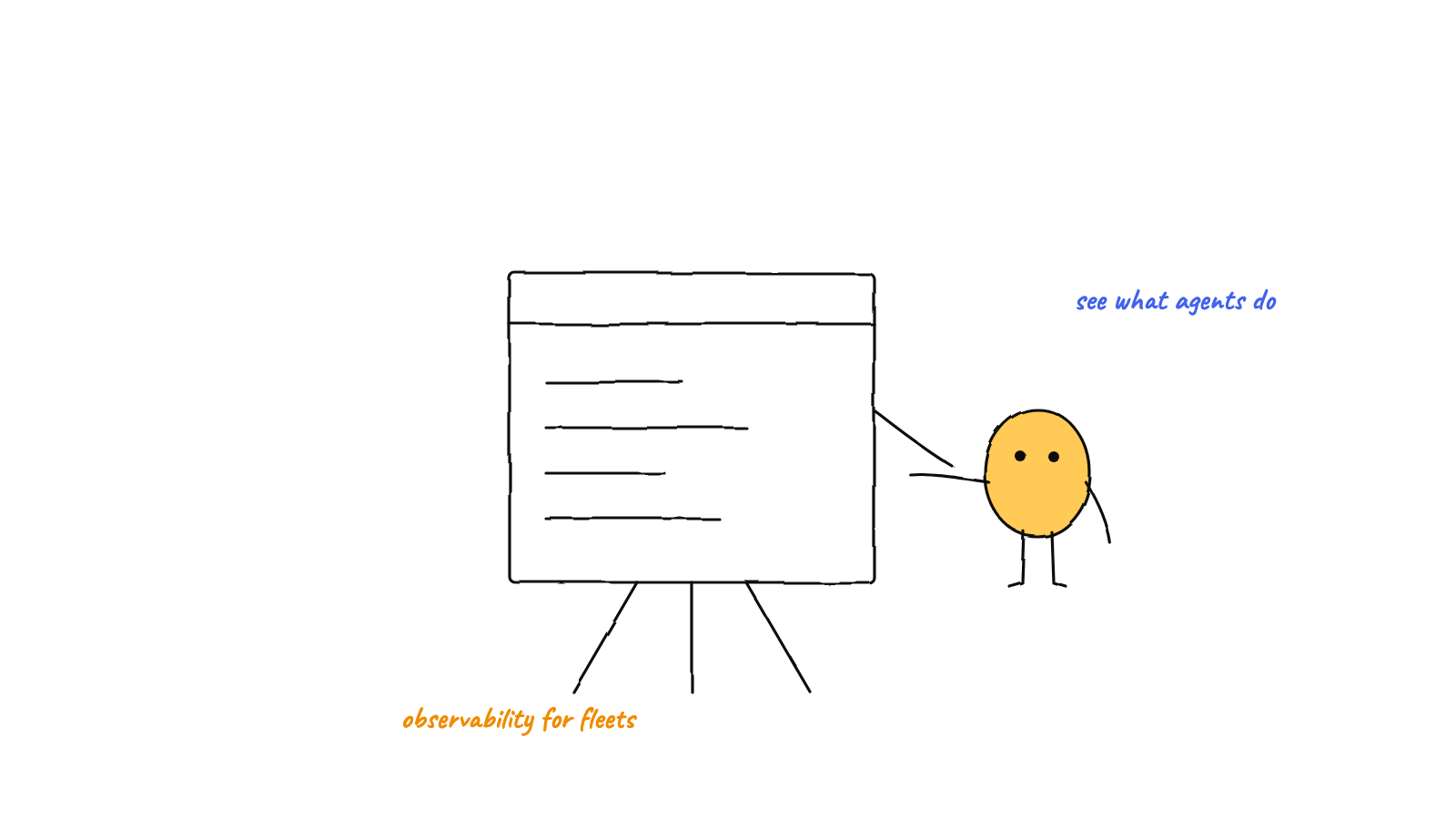
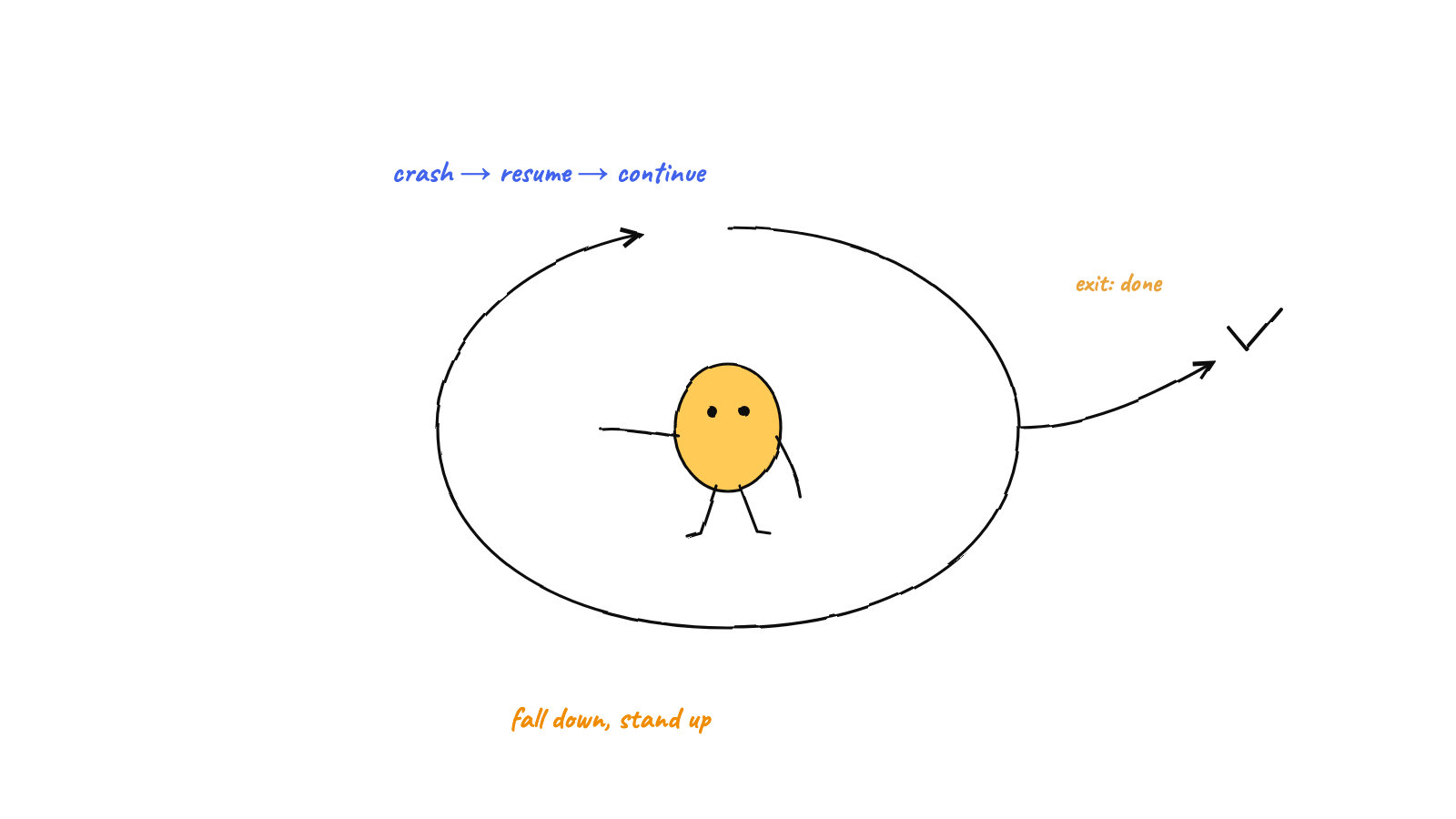
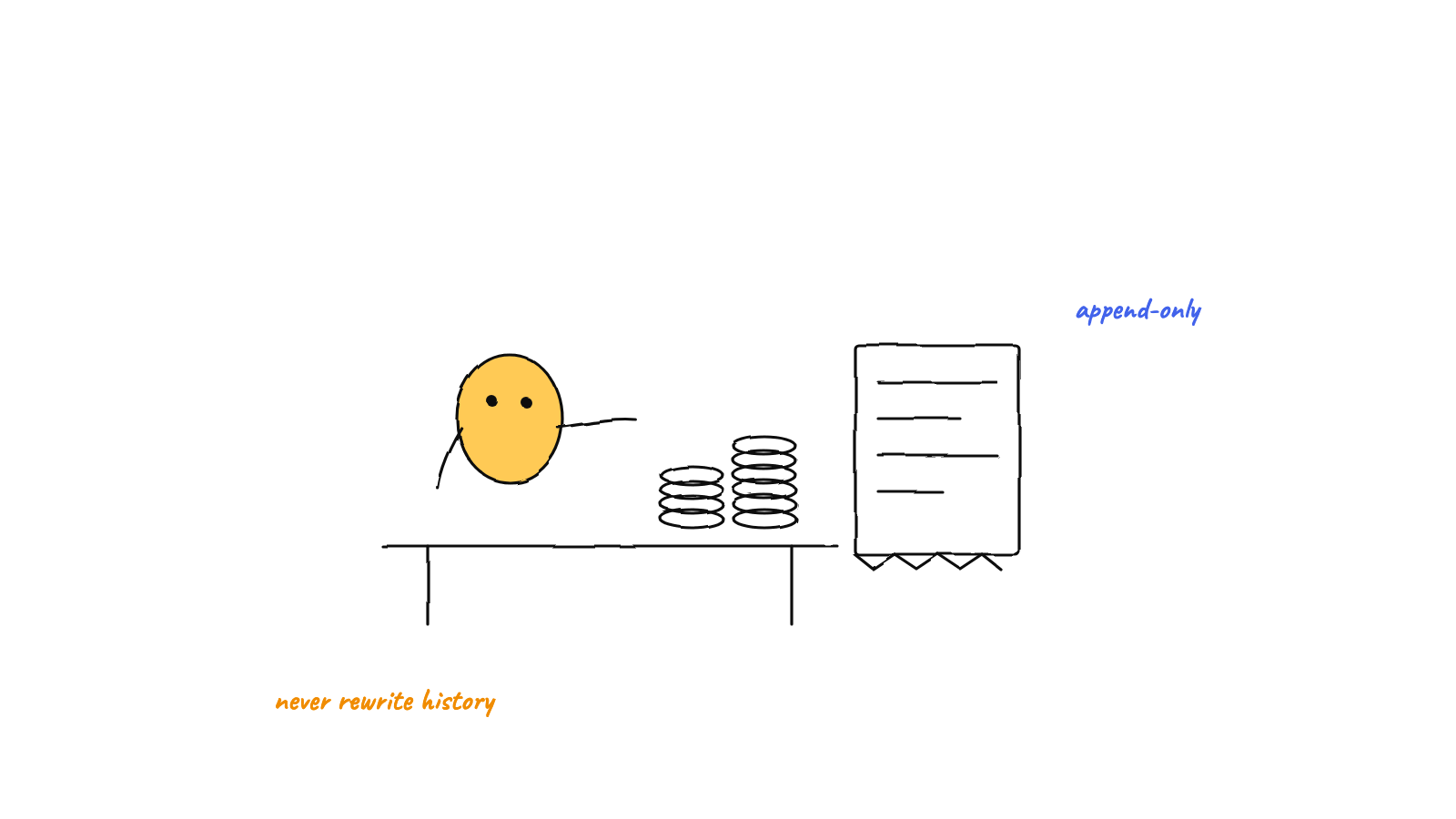
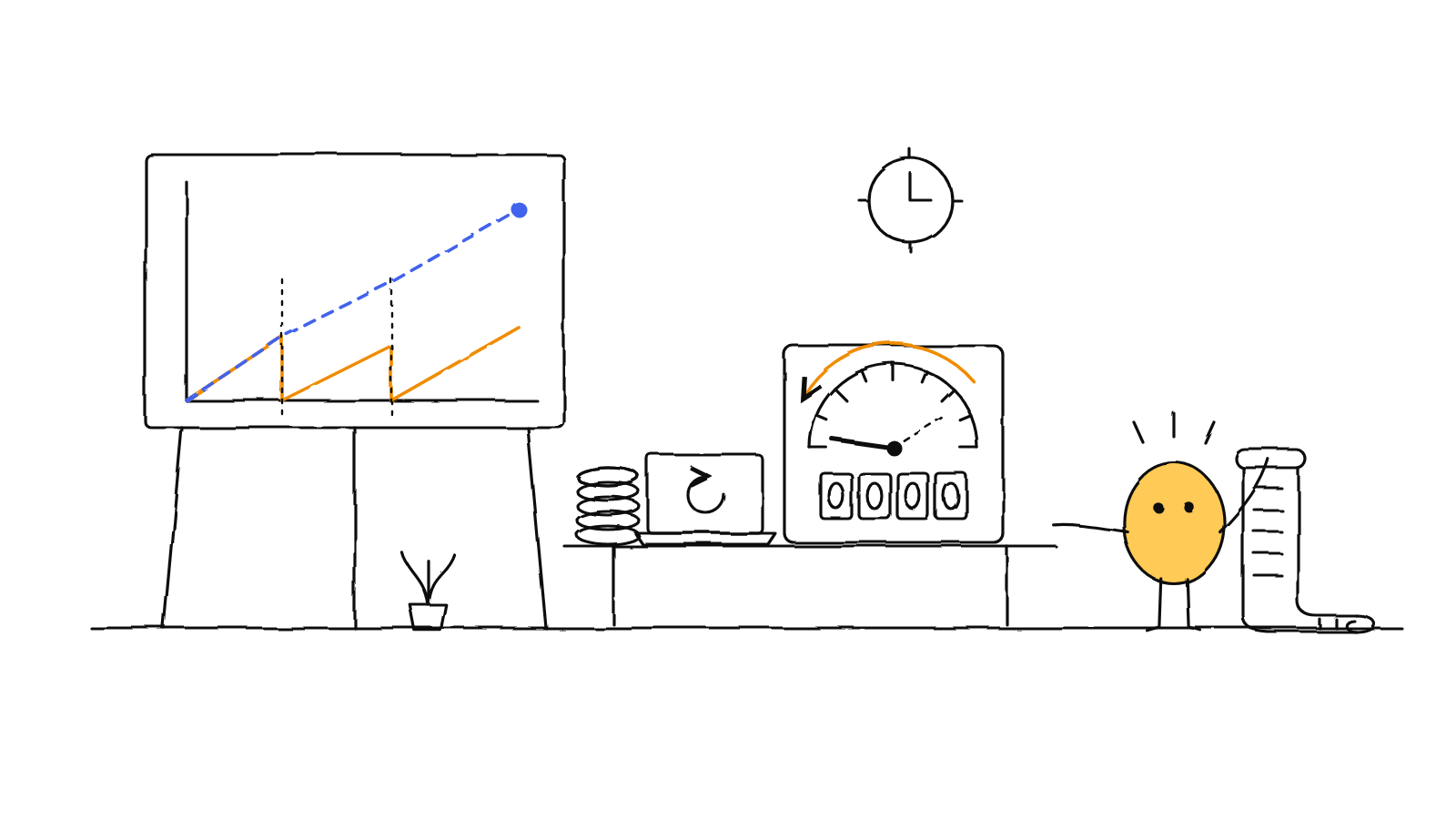
How an append-only event log makes a multi-agent system debuggable and replayable: what to record, and why one JSON line per event beats a database.
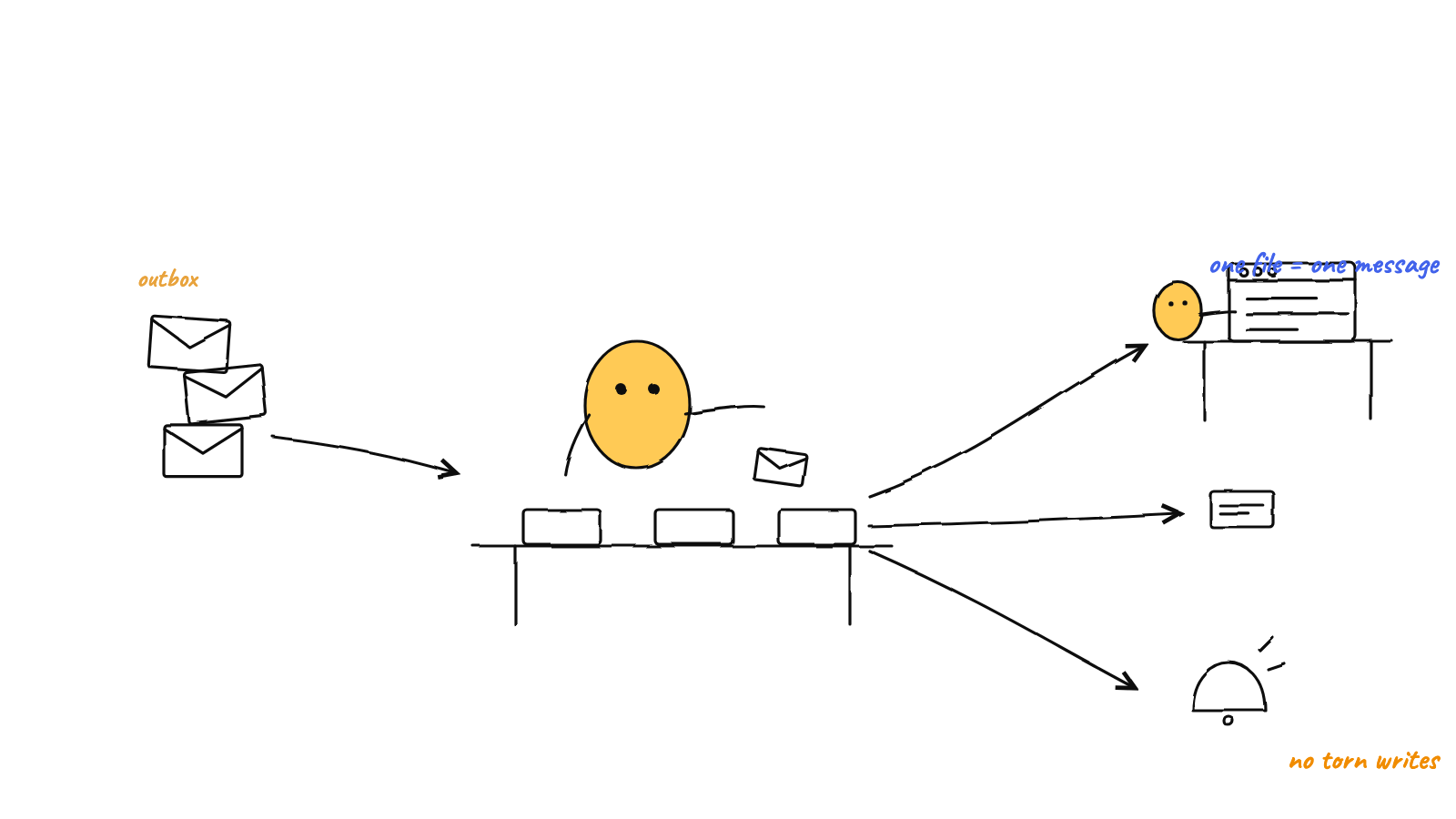
Can Claude Code agents talk to each other? Yes — the outbox-router-inbox design that lets agents message safely using plain files and atomic renames.